Soul Choices: Weekly Reflections on a Personal Project
Tuesday Reflections on my journey towards a computational model of dissociative amnesia

Week of May 26th through June 1st
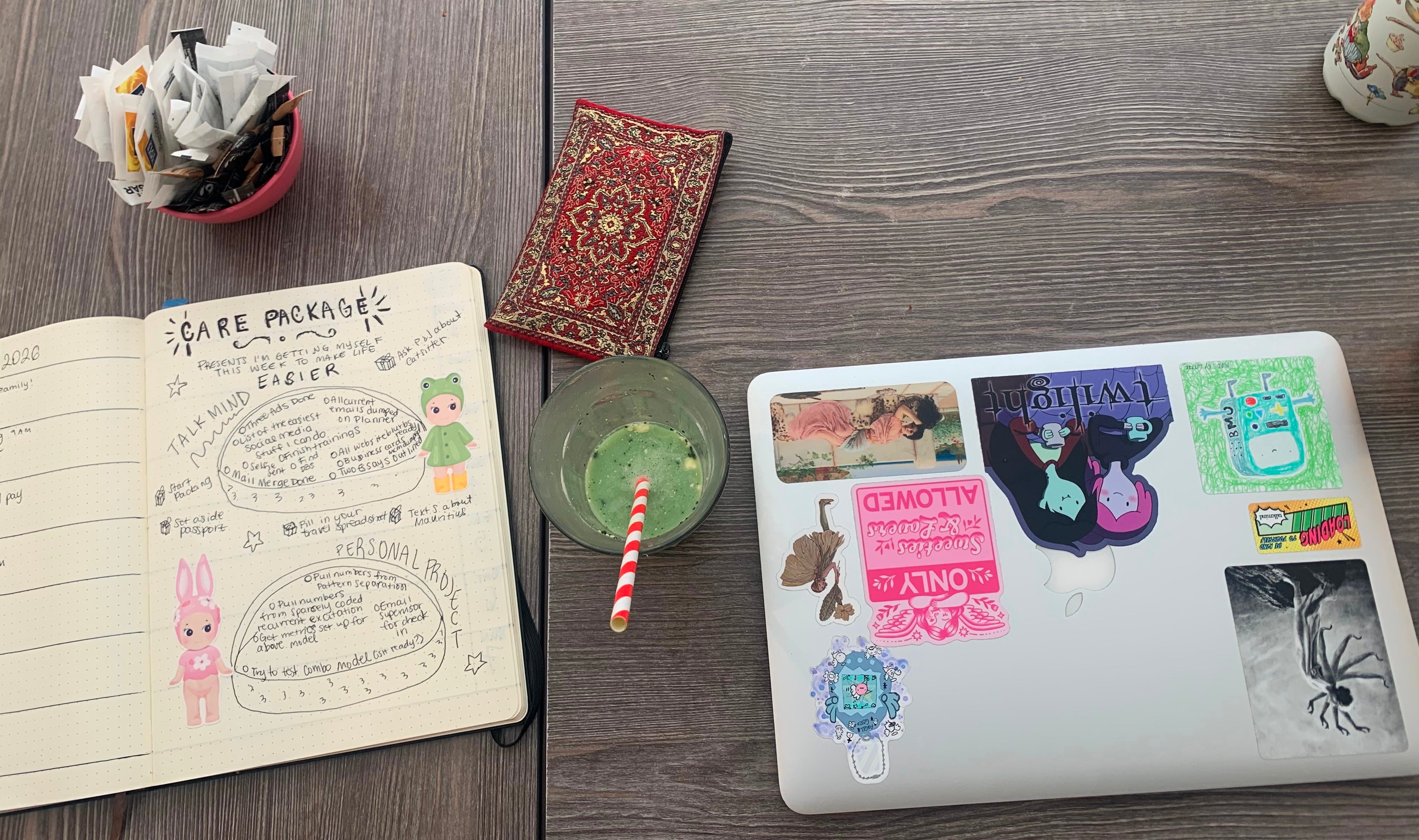
I’m flying to Brazil this week to visit my mom in Rio de Janeiro, which necessitated a lot of intense planning and packing to make sure I would have everything I needed to keep working on my project. I like to set a weekly theme in my planner. This week it was “Care Package”. The goal was to “gift” myself a bunch of things that would make my week easier, like a bundle of acts of service. It kept me very busy!
I got back to my adulting sessions this week after a busy week last week. I’ve been continuing to read “I Will Teach You To Be Rich” by Ramit Sethi — one chapter a week. I didn’t update on my last chapter but I read one on investing, and this week I read on conscious spending. It’s inspired me to do some inner work over the course of this reflection.
One of my biggest financial demons is overwhelm. I’ve been feeling overwhelmed by life for quite a while. I’m overwhelmed by my current financial insecurity. I spent a long time getting settled here in London. This project has taken a lot of energy. I’m overwhelmed by how many moving parts there are to my life right now. I’ve been tired.
I feel like every time I get settled, I get another wave of big financial spends. It’s always something different. This summer it’s been trips. Everyone and their mom is either coming to see me or requested a visit. The trips just kept rolling in, taking up every slot in my summer. I’m so excited and looking forward to every single one so much. I get to see some of my favorite people. On the other hand…there’s another summer of living paycheck to paycheck, perhaps unless I think of a good system.
These are all trips I put off because I wanted to save money and get less overwhelmed, ironically. I haven’t seen my mom in over 2 years. I’ve been landlocked in London for the most part. One of my best friends since middle school has been dying to visit me since I moved and I’ve never been in the right spot for it. But she’s coming to visit me this summer. I’m super excited and also… overwhelmed!
It’s hard to be in your early 20s and be working extremely hard all the time while also feeling like you can’t miss out on seeing your friends and family. It’s important too. Being young and financially independent is extremely challenging because while you’re trying to grow, people all around you are bombarding you with the message that you just need to live a little or you’ll regret it when you’re older. And they’re definitely not wrong. But what they don’t see is that once that thing you felt age pressure to spend money on is done, you’re back home in the same cycle starting over from scratch. There’s no cushion to go home to as a financially independent young person. This is real life. I don’t even walk in stores anymore because I’m tired of looking at clothes I can’t buy. I avoid situations that will compel me to spend random money for nothing, like clubbing and drinks. It’s hard to feel like people think you’re boring but it’s because that’s reality right now. It’s not a personality thing.
When I feel stressed about my future, I try to remember that I already have invested. I invested £55,000 into a masters degree program and I think I will get a good return on that. I’ve invested hundreds of hours into a project that I really hope will be useful for my future, at the very least to help me get into a great PhD program one day. If I’m lacking in material funds, it’s only because I invested in lots of important things this year. I invested in moving to London, which built lots of soft success skills like consistency, grit, problem solving, and determination. I trust in my future success because of these skills. So I have made lots of large investments over the last few years, and my returns so far have come in terms of invaluable knowledge and wisdom which will compound. A lot of them are things you can’t pay money for, and are not present in every 24 year old. I try to remind myself not to compare my financial situation to me two years ago and feel discouraged because it hasn’t changed how I wanted it to. I’ve been trying to look at today as the first day of my life. If this was my “starting point” three years ago, I’d feel pretty freaking good about myself. I have a stable housing situation, a real adult job, a master’s degree, and a budding career in a growing field which can be lucrative for me if I leverage it. I’m consistent, financially aware, and put me first. Not bad. I used to wish for this spot with everything in me.
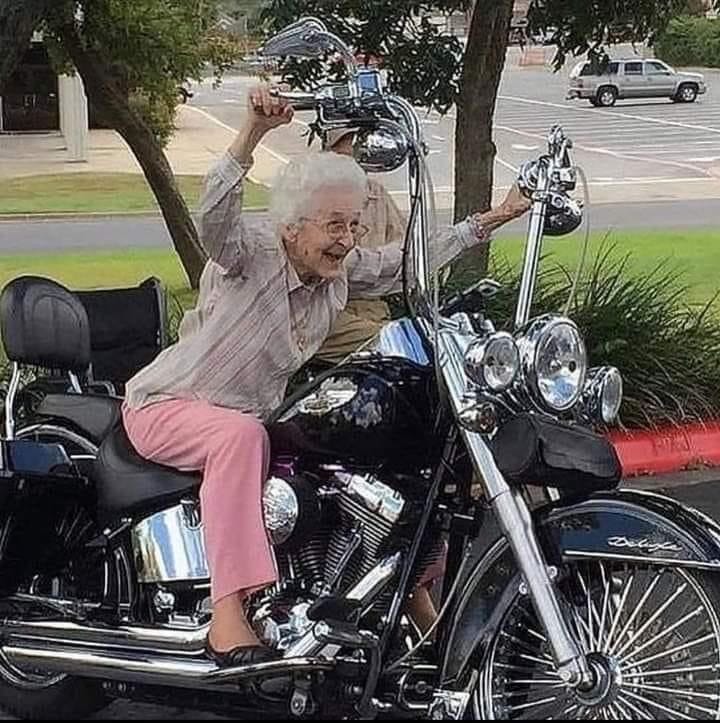
Reading the chapter on investing last week triggered an internal shift in my sense of purpose around money. I get my identity too wrapped in it and get disappointed that I don’t have enough because I think it says something about me compared to other people. Money is a tool for me. It has nothing do with others. It’s not just for me to have a lifestyle that looks good enough. It’s to retire well, have enough saved for my kids to go to college, and feel supported. I should take “being good enough” or having an A+ in personal finance off the pedestal and put retirement on the pedestal instead. Investing well isn’t to prove im good at investing or broke a generational curse or something. It’s to make sure my 80 year old self has a good life. Makes it a lot less overwhelming. I’m going to stop thinking this man is teaching me how to be a rich 28 year old and start thinking he’s teaching me how to love life as an old person. “I Will Teach You To Be The Swaggiest And Chillest Senior At The Retirement Home” by Ramit Sethi. Has a nice ring to it, don’t you think? I think that’ll ironically get me there a little faster and that shift in my financial mentality changed the “game” for me a lot last week. Sometimes thinking about my next two or three years rather than the next 50 makes me feel desperate and… overwhelmed :’)
How I’m planning on being in my 80s


I’ve been observing a lot in these chapters and have so many questions. Maybe I’ll take them to Reddit this week. Why is a wealthy person like the author using a discount brokerage account? Is the expensive option not better? Things rich people know that I don’t. I don’t think I’ve heard my parents utter the phrase “brokerage account” one time in my 24 years of life so how would I know.
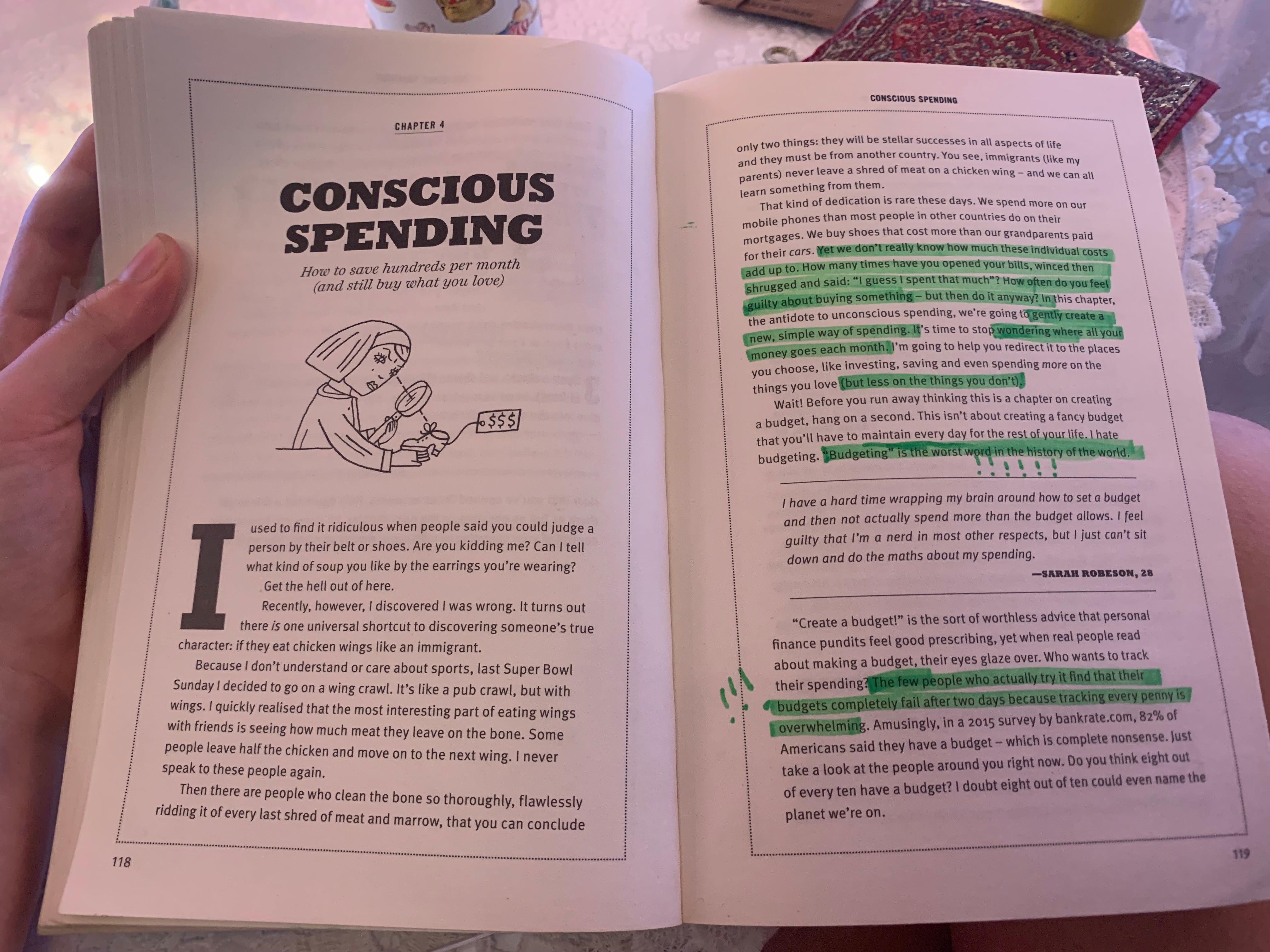
I was so incredibly here for this budgeting advice, though. It’s one of the reasons I felt compelled to buy this book. It reminds me of when I got diagnosed with ADHD and my very basic therapist asked me if I’d tried using a planner. Ma’am… don’t piss me off right now. Obviously I have tried a planner. Budgeting does not work well for me so I’ve been really excited to read this chapter because it’s one of the main sources of financial guilt in my life.
The call out in this chapter (on the inside) is that the only thing I consciously spend on is survival. I thought countless times this year “if it’ll help you get to the end of this project and keep your mental health intact through this insanity, I don’t care” meaning I ate out more than I used to and I didn’t grow other elements of my life very much over the course of the year. I guess it’s not a horrible thing to spend on but it’s not very intentional, is it? It’s not fun and it amplifies the constant sense of survival mode that my PTSD created. It’s like I said once in a video, “What you spend your energy on will grow”. You can’t leave survival mode by watering survival mode. It doesn’t stop by magic.
The truth is I haven’t felt perfectly at baseline yet in all of these years. I have wanted to spend my money and energy into feeling more balanced, helping my hormones level out a little bit, and feeling more relaxed. I want to feel strong and healthy. But there’s a difference between spending money to survive or spending it to thrive, even if they both come from the same intention to overcome and feel the best I’ve ever been. I guess what I want to spend my money on is wellness and confidence. And my education. I want to read more because it’s an investment in my writing and STEM career. I often feel guilty about buying books but they’ve been a great investment for me. I felt guilty buying this finance book but obviously it’s been an incredible spend thus far. I spent my money on a neuroscience book a few years back when I was broke and it was the best £3 I ever spent. It changed my life. But they’re usually the thing I get on myself the most for buying. I always feel guilty buying a book.
What has also been a good spend was my monthly membership to my university gym. It’s a touch far away from where I live but that has made me feel motivated to go because I live in a very quiet, family oriented part of London that can make me feel a little physically stagnant. I have already been losing weight and getting more work done around uni. What hasn’t been my favourite spend has been eating out in one of the priciest parts of London when I’m done. So you know what might not be the bad price I think it would be? Protein powder. Big up front expense that would save me the £3 I spend on a protein shake every gym trip when I’m famished.
I spent a while on Tuesday making a conscious spending plan for my Brazil trip. I think it could actually be cheaper than my month would be in London if I’m intentional (and offer to cook my mom lots of meals so we don’t spend all our money on pratos feitos while I’m there).
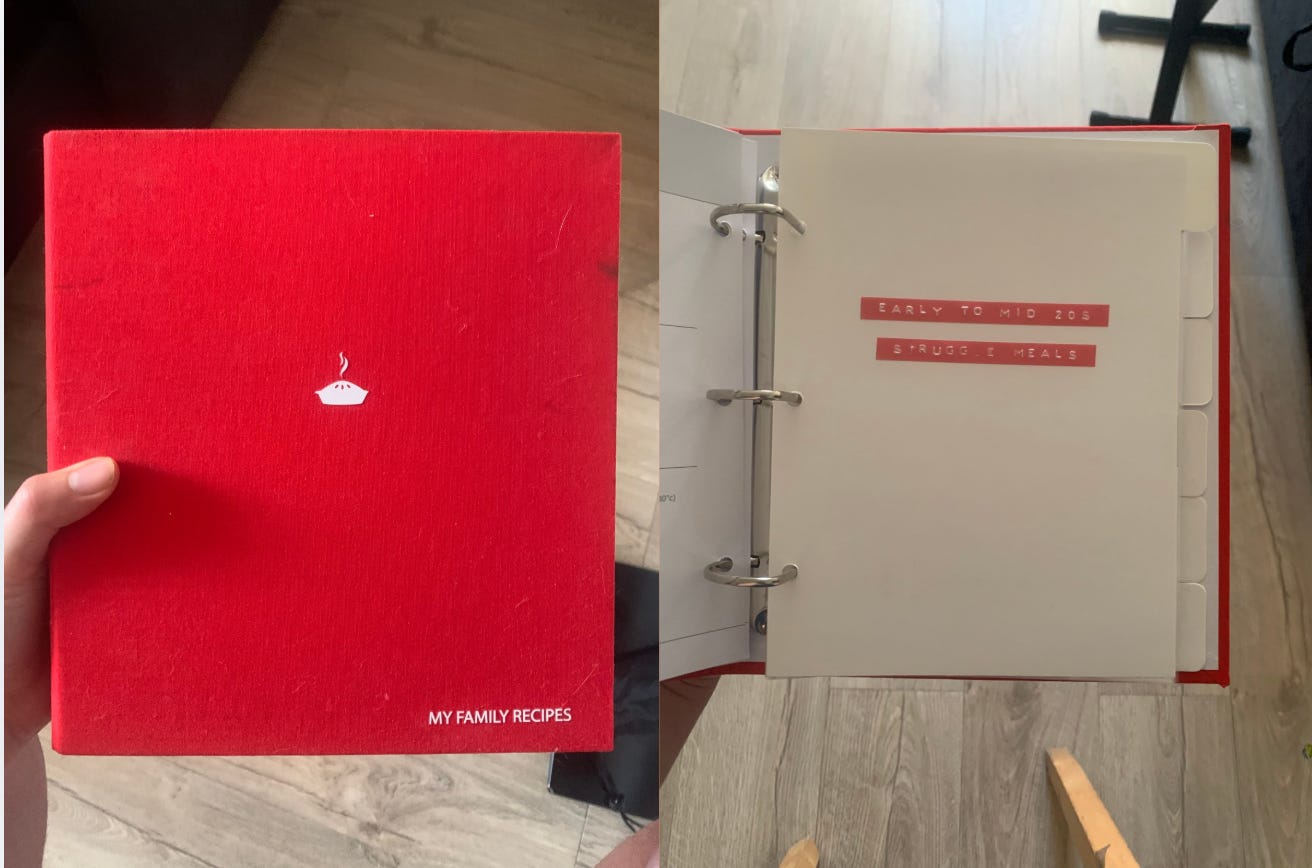
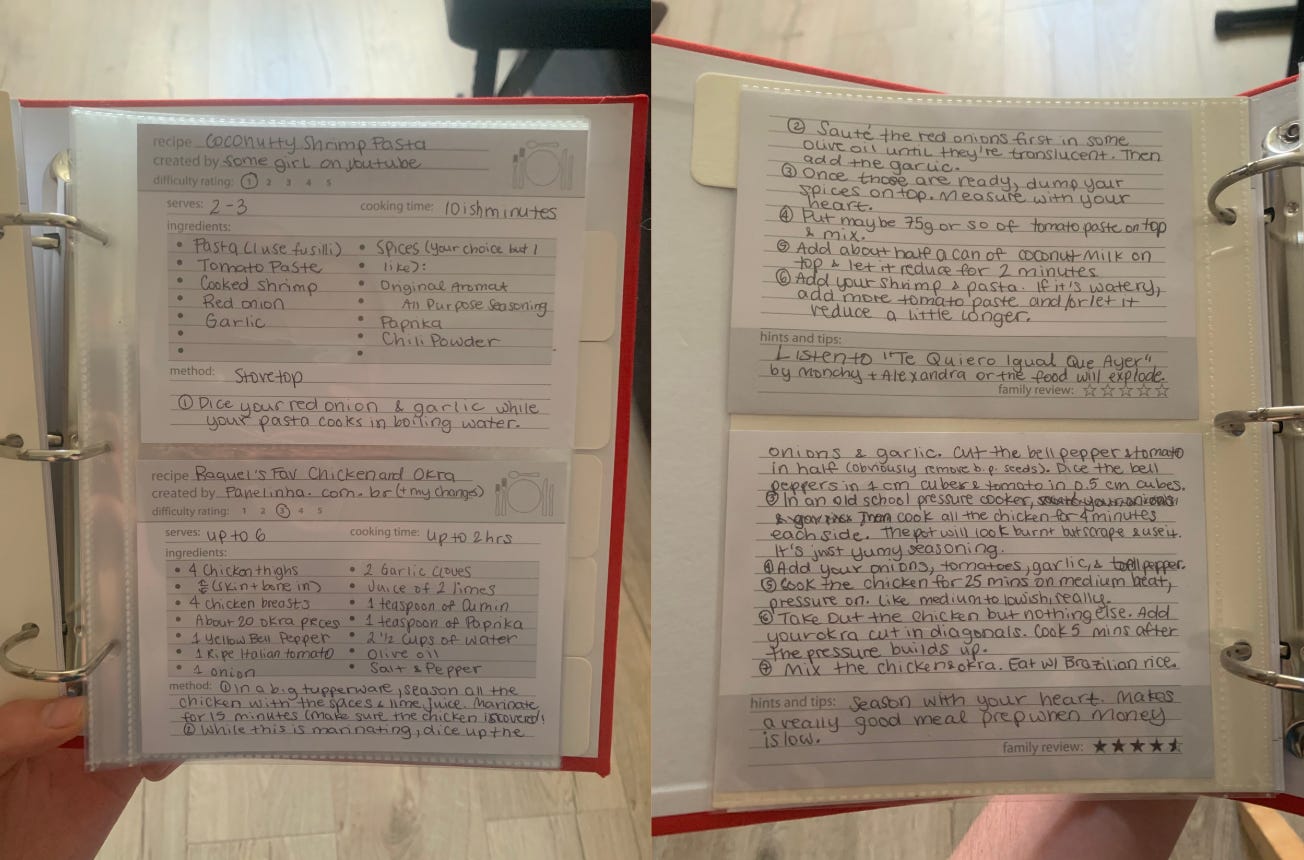
One conscious spending plan I made this week was getting refocused on my meal prepping, which is something I love doing but throw off to the side when I get busy. I started putting some of my recipes down in a recipe book my stepmom got me last Christmas.
I woke up to this news story on Wednesday:
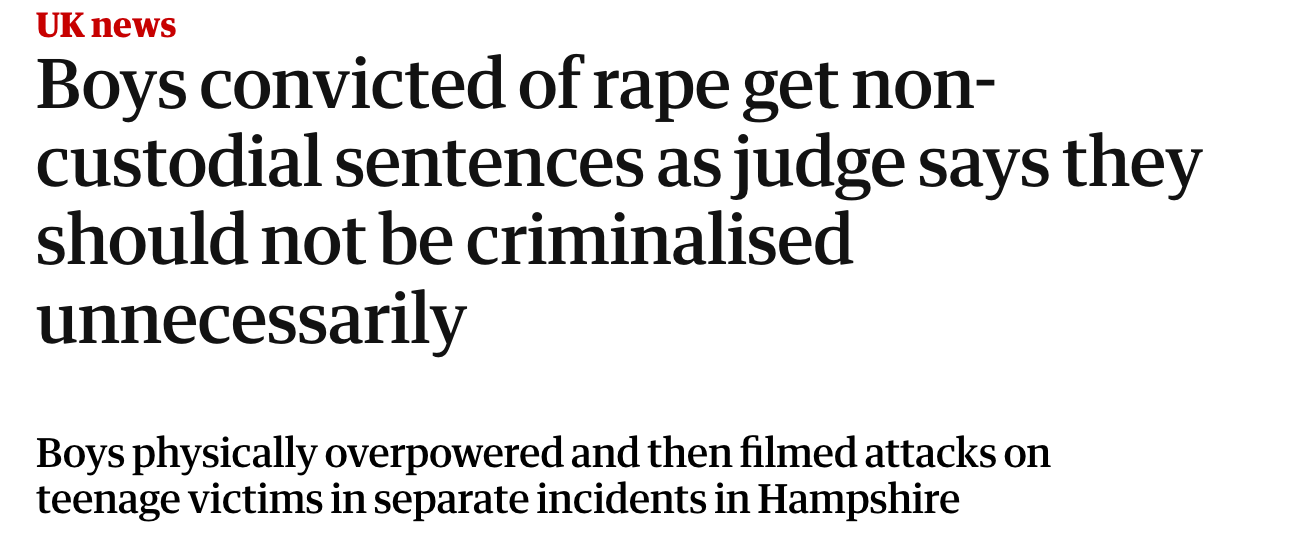
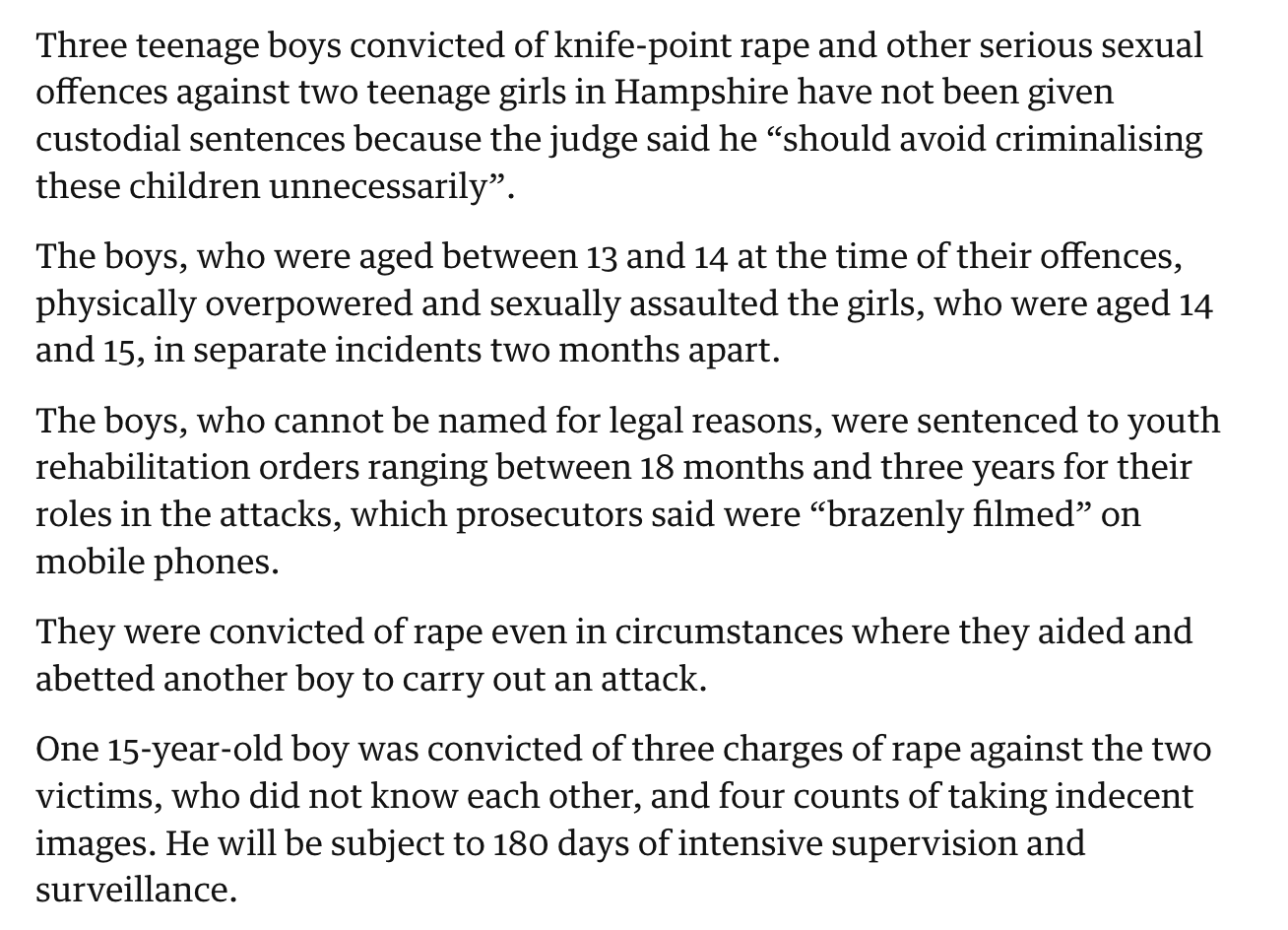
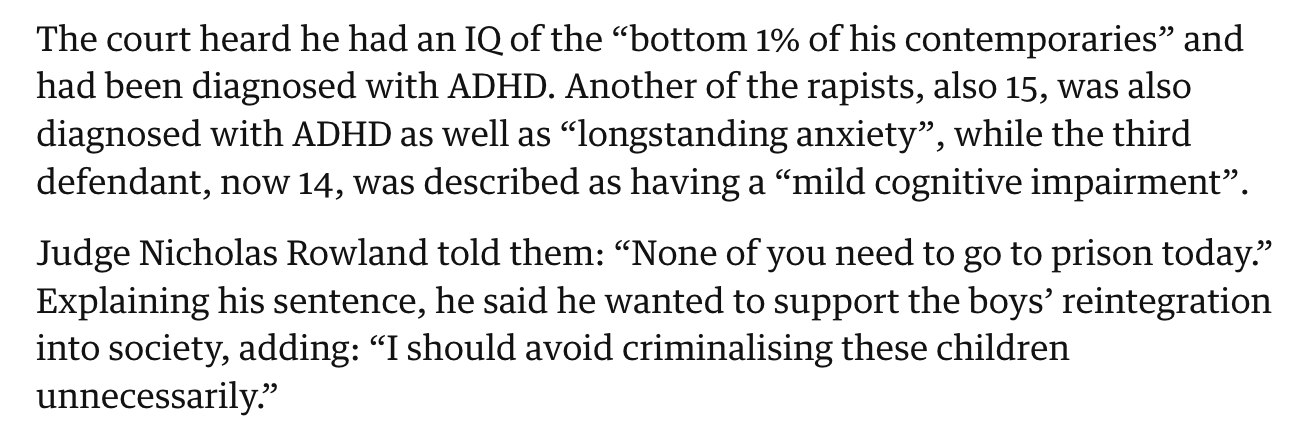
And hey, just by the way as a girl with ADHD who survived rape, ADHD does not make you rape people. That’s a whole separate issue. I have “longstanding anxiety” from being raped. Still haven’t done it to someone else.
Working on this project over the last year or so has made me feel really inspired and empowered by being able to solve an issue which was such a massive barrier to health care, being believed, and navigating the justice system for survivors. It feels like such a massive vulnerability on its way to being healed. On the other hand, sometimes stories like this make me feel hopeless.
But what I’ve learned is that sometimes you’re trying to tackle something impenetrable when there’s a weaker and more powerful spot to tackle. Stories like these remind me of the pain I suffered trying to have my own story heard, inspiring me to commit to fighting for changes in the justice system. As a start, one day I hope to take my own story further to argue for the fact that every single Title IX office in the United States should have trauma informed officers. It would be a big fight I’m nowhere near yet. But it’s a start. Trauma is too complicated for people to be enlisted by taking a simple module on what sexual assault is and launching into speaking to vulnerable populations of people with special and important emotional needs. You need to know a lot more than just a definition of sexual assault to navigate that with honesty and care. You need to truly understand it from the inside out to avoid making the kinds of judgements I was subject to in my own Title IX trial. It protects schools because they have the most informed team possible. It protects victims because they are speaking to people that are aware of how to navigate their sensitivities and won’t ask dumb questions like “Why didn’t you remember the color of the wall behind you while you were being attacked and were literally in danger?” And ironically, it protects students from being misjudged because trauma informed individuals can see deeper intricacies and are aware of when something might be stemming from a deeper mental health reason, for example. There is not one good reason why we should not have a fully trauma-informed team, from any possible angle.
Hopefully one day, that will be a good start that will inspire the wider justice system to make the same change. I’m tired of judges who don’t understand memory or the deep psychological impact of rape on a person’s life and psyche. It’s not something you want to get wrong in a million years. It was not just another day in the life for those girls in the news story, just like it wasn’t more just another day in the life for me. Surviving rape means often half a decade or more of emotional recovery. It’s an intimate life disrupted. It’s their relationship to men changed for life. It can be chronic health issues later down the line. It means a potentially doubled risk of dementia. It means exposing them to sensitivities that can trigger deeper and more severe mental health symptoms, like psychosis, which will stigmatize they way they seek out the care they need ever further. And it also shows them the value of their life to the adults around them. They will never feel completely safe opening up to people in positions of authority again, take it from me.
Rapists are criminals. Boys should be criminalized for rape. They made that choice themselves. Nothing was forcing them to rape somebody, especially filming it and at knifepoint. And I think we should truly start wondering what it says about these judges when they intentionally downplay rape and set a precedent. If you had no stake in what it meant for rape cases to actually be met with the energy they deserved, you would treat the crime like any other horrible crime you see in a day and that’s exactly why male judges keep doing the same thing time and time again. They see themselves in these boys in a way they don’t see themselves in thieves and murderers. They are mirrors of the things they thought to do once at 15 and the urges they had too. Giving them a way out protects men like these judges in the future and it protects their sons. They treat them just how they would want to be treated, because deep down, they don’t feel that distant from the idea that they too could be in that courtroom one day, or could have been at some point in time. Those boys are the judge, to people like Judge Rowland. In fact, if Brett Kavanaugh is any indication, they really could be him one day, thanks to his lack of consequences.
I hope those girls can see a million me’s in the world one day who overcame and who fought the system just like I know they will one day. In a world that treats them like they are worthless, I wish they could know just how beautiful and full of worth I know they are. I’ve been through it. And I can tell them that they will come out strong and wise, just like I did over time. They’ll see their bodies as valuable and beautiful and have a deep relationship to how they share them in a stronger way than anyone else they know. They’ll make a big difference in the world too. They’ll be scientists. Maybe one of them will be a judge. Or they’ll be teachers that refuse to give boys the upper hand when they’re being disrespectful in the classroom. People aren’t as focused on our growth so they haven’t seen it yet, but a lot of women came out beautifully fierce and resilient and successful going through the very thing they did. One day I’ll tell these women’s stories too so they can see.
And thanks to the judge, those boys will continue to be as pathetic as they are right now. Violence will be the way they find their happiness because no one corrected them and forced them to find a different way forward. They taught them that this was a valid way to entertain themselves, something all boys do or at least think to do at some point in time, something even the judge might have done in some imaginable circumstance, and that will make them feel empty for their whole lives. That’s a secret they don’t want you to know but I’ll tell you because I learned it. They’ll always search for meaning in sex and in causing pain and they’ll never find it. They’ll never find one millionth of the happiness you girls will in life, even if they pretend to on the surface.
I hope these girls’ lives are filled with happiness and they know that just because someone tries to keep you down doesn’t mean they can stop you from growing even bigger and more powerful in the long run. Shame on those boys and on Judge Nicholas Rowland. We are all looking down on them for you.
Let me tell all my survivors another secret in the meantime. This one is especially hush hush, okay? Get out a notebook. The reason the justice system is set up like this is because they want you to give up. That’s why they call is the “justice” system. It’s supposed to be your last stop. Someone rapes you, you take it there, and what happens is they will either gaslight you about your story in some way shape or form or they will agree with you but do absolutely nothing in exchange, like Judge Rowland did. And you are supposed to see this as the end. That’s the end of the line. Your destiny was decided and it didn’t satisfy you even the tiniest bit. They were expecting you to be done. Now rapists are protected. The system is intact. But did you really get justice? No, not really.
But listen closely. If you keep going past that point , you can destabilize the justice system itself and you can build a beautiful world no one has seen before. That’s the secret. Write it down.
That’s what I realized, right before I decided to keep going. I realized the justice system was putting people with no experience who will produce a bad result most of the time in the way so that I will fail most of the time. And they will make me sign confidentiality contracts and retaliation contracts to keep me from taking it a step further. They want me to feel afraid to speak so people don’t know what they’re doing behind closed doors, just like my abusers when they tried to get me to stop telling my story all the way in the beginning. They want me to feel nervous and confused, just like my abusers did. They don’t want me to be quite sure if what I’m saying is true or false, since they are “experts” and they don’t agree. They want to plant a seed of doubt in my head through the unfounded assumptions they make about me. They want me to leave my abuser alone, give him his space. In short, they want me to shut up and get out of their face so they can keep making their money in peace.
So I’m going to find the exact reason that they barred me from my justice and kept my abuser free and protected at school, and I will make sure that doesn’t exist. See, they didn’t expect me to keep going, did they? My abuser thought that was the end. My school thought that was the end. But it’s not the end until I get my justice. And justice is revealing on countless different fronts why everybody is perpetuating a system where I would be raped and could be raped again.
Justice does not have to stop at the “injustice” system. You can really keep going. There is no one to stop you but you.
These girls can send these boys the case trial to their future employers and let them know they are employing rapists. They can speak their names out in the future so all girls know. But it doesn’t have to be that direct, if that’s not their cup of tea. It absolutely does not have to be. They can get involved in fighting the justice system in new ways. They can send care packages to future survivors or support other people financially who are going through the same thing, if that makes them feel better. They can learn to love their bodies and translate their experience into dance, making other survivors feel seen and healed by their comfort in themselves. Or they can go to therapy and go deeper until they truly feel like they’ve seen these boys for who they are — not scary and powerful but pathetic and small.
What does justice mean to you, girls? That’s an answer for you to determine, with no rush, sitting with what makes you feel at peace and what feels right to you. Never let anyone pressure you into adopting their definition.
Justice is a personal word and feeling that you’ll know you’ve found when you feel satisfied inside. Look at me. I have science now and I’m going to dismantle bias towards survivors in psychology and neuroscience until there’s none left. That’s justice to me. You don’t have to listen to people that tell you not to take it further and do more in life. I wouldn’t be here if I had listened to them. You don’t have to live with a gaping wound people keep stabbing and poking.
After my trial ended, people often saw my lingering emotions and told me not to get obsessed, while they weren’t doing a thing to stop my pain from persisting. I would think, “Who is going to care, then? Do I have to wait around for them to spontaneously appear one day?” I was just expected to keep living that pain quietly and make peace with the burning wound at my side that the world get jamming its fingers into. So I found my own justice. Justice for me was proving how dissociative amnesia worked and finally freeing myself from almost a decade of gaslighting from my abusers, the justice system, and psychology. Justice is embodying this fight again from a stronger place, with more detachment, and continuing it so people don’t have to go through what I did.
I had a really interesting conversation with a coworker whose mom has dementia this week. I told her I was working on some research and getting curious about it. She said the doctors originally thought her mother had Alzheimers/ Lewy Bodies but it turns out she had Parkinson’s instead. She was telling me some details from her mother’s disorder. What I found extremely interesting was that she said that her mother is bilingual and that she has more often started to forget words, but that she experiences word loss for both languages, and often the same word in both languages.
I also asked her if her mom took any medication and she said she took an acetylcholinesterase inhibitor called Rivastigmine. That actually stops ACh from being broken down by the enzyme acetylcholinesterase, preventing the low ACh associated with dementia.
This research project has been like opening a window to a brand new universe of things I would have never otherwise been aware of. It’s been fascinating. I’ve been really looking forward to meeting her mom next month and really getting to know the reality of dementia from a personal perspective.
I actually finished up pulling all my numbers from my pattern separation experiment just hours after. I really hope what I’ve done can be useful! I’ve been reflecting on how doing a bit of research on dementia is basically insurance for my old self. Fingers crossed by the time I’m old enough to be at risk for it, we’ve really improved people’s chances of combatting it significantly. I want to do a lot more research on how our brains get exhausted and depleted by chronic stress and what chains of events that causes. I was actually inspired by reading the article on how PTSD might double the risk of dementia (despite being in that demographic). What I hope to touch on slightly in my conclusion section for future avenues is how when our systems get depleted by chronic stress at any age, it gets harder to actually replenish the materials that produce ACh, and maybe that makes it even more difficult in old age. I wonder if future research could show that there is a long lasting impact to the brain parts which release these chemicals because of over-exertion which ultimately increases the risk of dementia.
I’m really hoping to do a little reading on this topic and some more themes related to my bias/sparsity issue in this experiment where I saw the hallucinations and memory loss. I think it'll be really interesting.
This week, I got news that I will probably have to move by September. That served as an intense catalyst to try to make a plan for life after this project.
When I first moved to London, none of my hard work was paying off at first. I was getting rejected from really simple jobs and wasn’t sure what I was doing wrong. My money felt like it was rapidly declining. I was disproportionately worried about it, because it reflected all my inner anxieties about moving in the first place. I couldn’t do it. I wouldn’t get a job. It was too rushed.
After some soul searching, I decided to take a little step back and get a bit inspired about what life could bring next. I pinned lots of things on my Pinterest board and did some imagining: herbal teas, a cozy little apartment with my cat, studying psychology at university. After that week, life took me down a whirlwind adventure in which all the pieces slowly clicked into place — all the little things I imagined. By random chance, a few months later, I got a small apartment right by Islington, which was my dream neighbourhood I didn’t think I could afford and the most insane part (as any Londoner would tell you) is the landlord approved me having my cat there. Granted, my flat was dingy and needed lots of TLC to look anywhere close to my Pinterest boards. It was the tiniest room I’ve ever lived in, more of a large closet than anything. But I was immensely satisfied. I did so many of the things I imagined from that dream life session. I was surrounded by international markets. I’d never cooked so much and such a variety of dishes in my life. I made the random little Chinese soups and herbal teas I had pinned. I had my own loose-leaf tea blends and drank them every day. I got incredibly disciplined. And I started my dream project.
That taught me that life is often less about scrambling and acting out of fear, and more about aligning with inspiration and trusting your vision. That lesson got me here. So in this catalyst this week, I tried to step back and create new visions of life.
It was hard for me at first because this project was the biggest, most impossible dream I had planned for and it’s already almost done. I am a paper and a dissertation away from my master’s degree, which was my most important London goal. What now?
The reason I struggled to answer the question is that for my whole life, I never wanted to dream too big to not seem “full of myself”. Confidence was a lesson I didn’t start to learn until I was 19. Filling big shoes made me feel guilty, like I was too visible or too sure of myself. But if you max out on the lessons life is meant to teach you from your original big dreams, it means it’s time to step into bigger shoes. Anything else would be stagnating. One thing I learned about God is He likes to keep the energy flowing and moving. So here are some of my next visions for life:
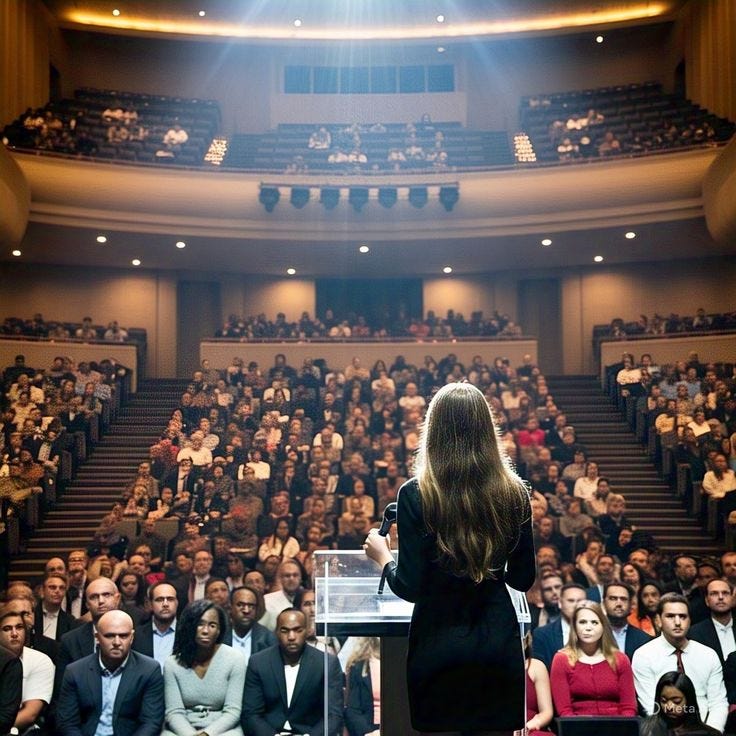
I want to become a confident public speaker and share my story. I want to talk about my science and the power of everything I learned from this experience.
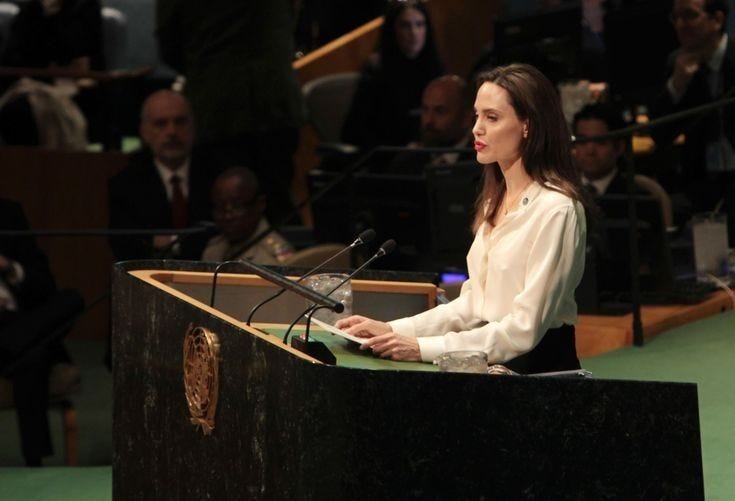
I want to tell my story in places that matter and inspire real structural change in places like the justice system. Sometimes I see an image of me in a leadership position as cheesy or awkward. I know that’s because leadership requires vulnerability and that’s something I can grow to embrace. I often see my attempts to enact change as being potentially useless. But I know that’s fear from my past experiences and from the words others try to plant in the head of those who care. If this project has shown me anything, it’s that showing up consistently for what you care about will naturally have an impact over time.
I want to start my non-profit for survivors and be a leader who makes important decisions with wisdom and an open mind. This one scares me because it’s a big thing to potentially fail and requires information I don’t have yet. I guess that’s what a team is for, though! There’s nothing too big for me to learn (or so I try to tell myself).
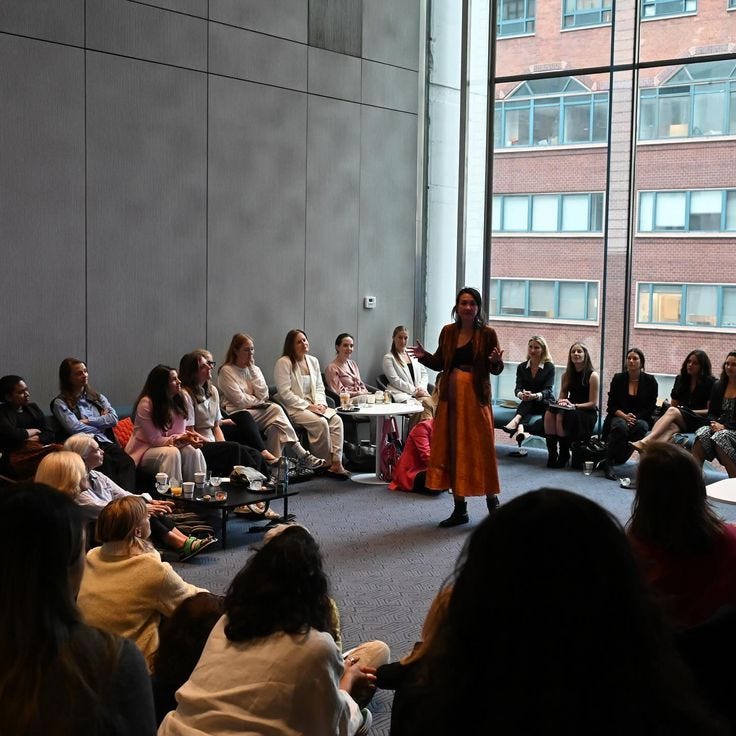
I want to network with other intelligent and forward-thinking women and learn from them. I want to hear their perspective on the world. I really struggle with the idea of holding myself and my words with authority. I mentally backtrack and overthink a lot. I know that seeing other women in a position I admire would inspire me immensely and I already have so many questions to ask that I know a woman would have the best perspective on.
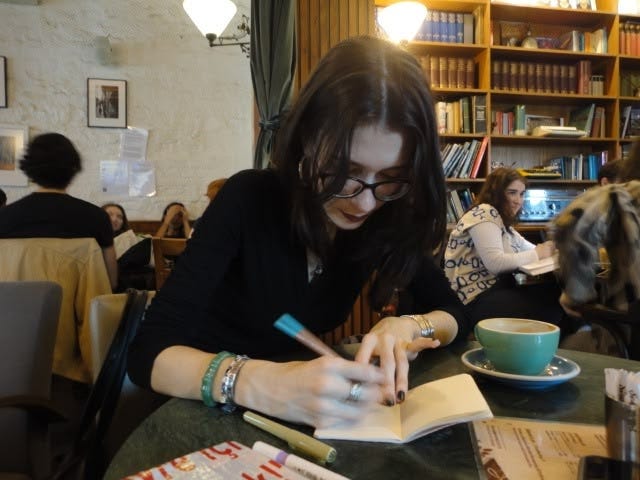
I want to write books — so many books. Memoirs about my experience as a scientist with lived experience. Memoirs about my experience with race. Self-help books about ADHD productivity. Guides on self-learning. I have so much to share from what I’ve learned in my life. Some of these are even already partially drafted or outlined!
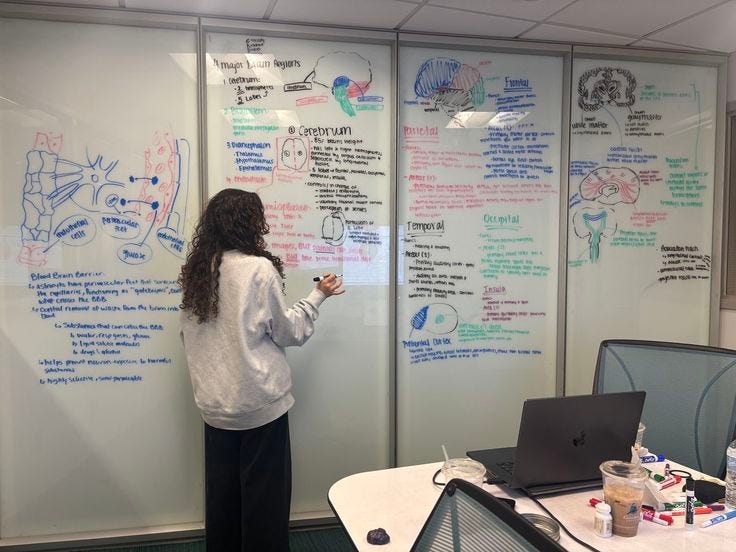
I want to get my PhD. One day, I also want to teach, which is a big and scary one for me because I never feel like I know enough to be an authority in a subject, but my YouTube channel has been fun beginner practice! And in the long-term, I’d love to be a research lead somewhere.
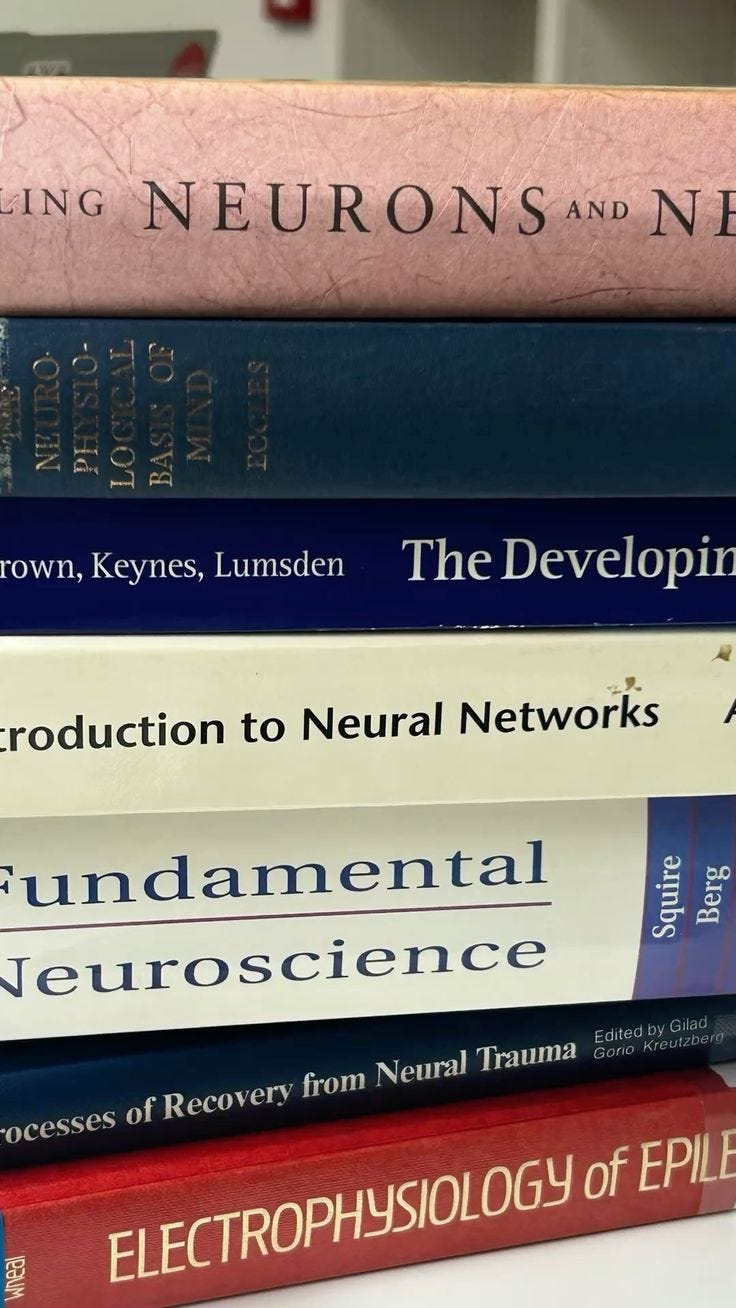
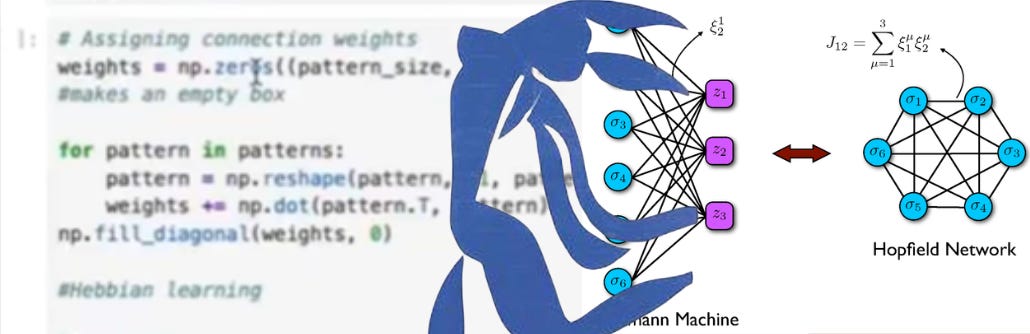
I want to read more books on everything in my field, improving my Python and gaining other important coding skills. I want to learn about other types of neural networks. How does a Boltzmann machine work? How do I use a strange attractor in practice? And I want to increase my understanding of neuroscience and the disorders that spark deep interest and fascination.
Those are my big “important” goals. Now here are my fun goals.
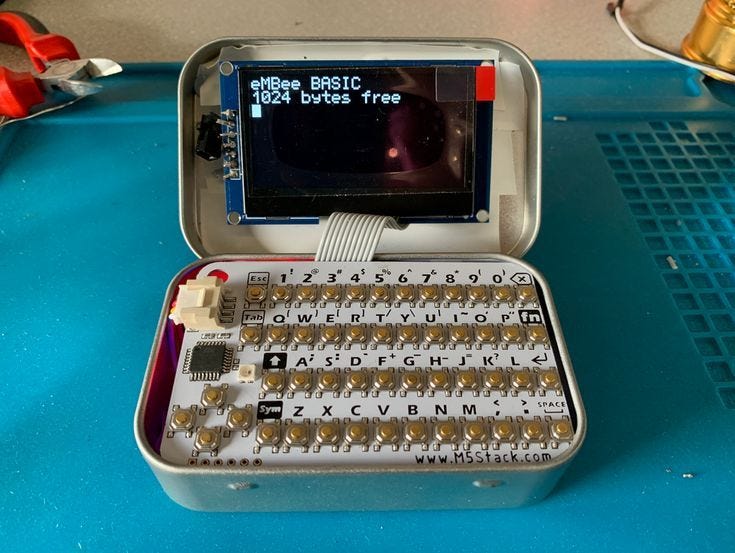
I want to get into building my own little DIY tech. I’ve seen this hobby around more often recently and I can’t tell if it’s actually getting more popular or if it’s just the algorithm enhancing what I like but it seems like a lot of fun.
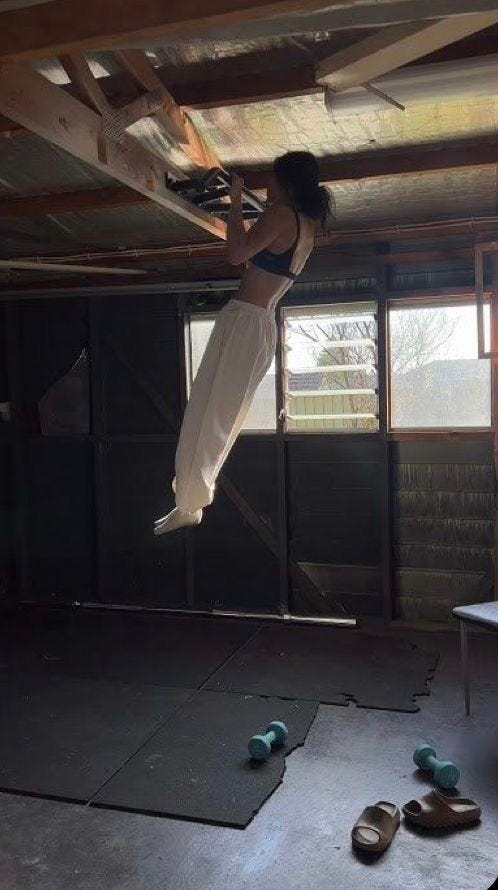
I’ve been saying this for a while and it hasn’t happened fully yet because I haven’t had the time (I quit the gym about 2 months into my project to use that time for this and I’ve just gone back last month). But I really want to get more into calisthenics and actually develop some functional strength. No more noodle arms in 2027!
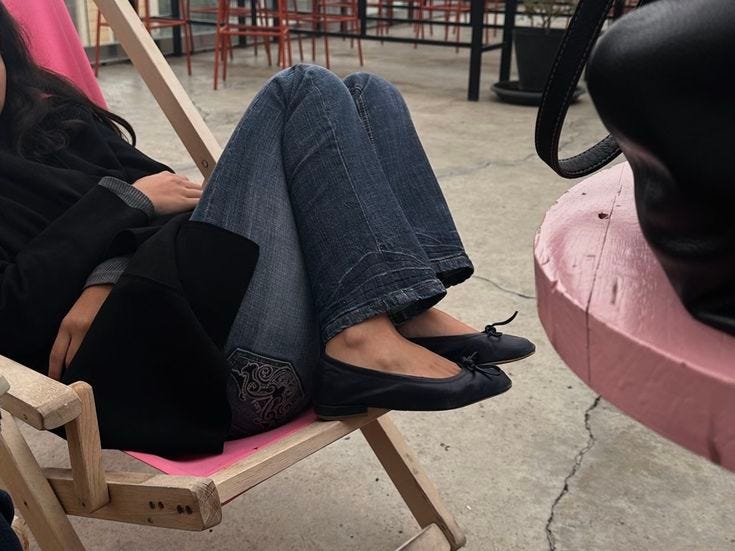
I want to keep exploring and expand my personal style which was also thrown off to the side to survive these crazy years.
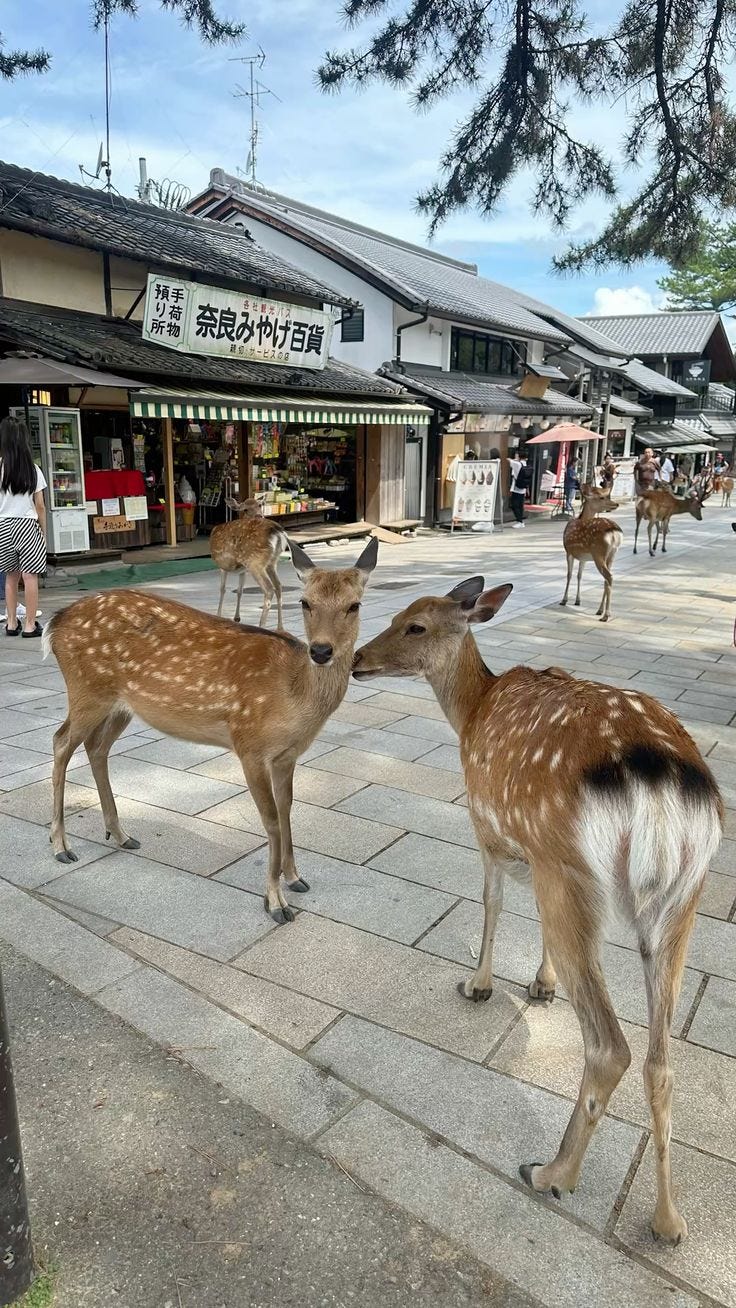
I really want to explore some new countries. One of the top on my list is Japan!
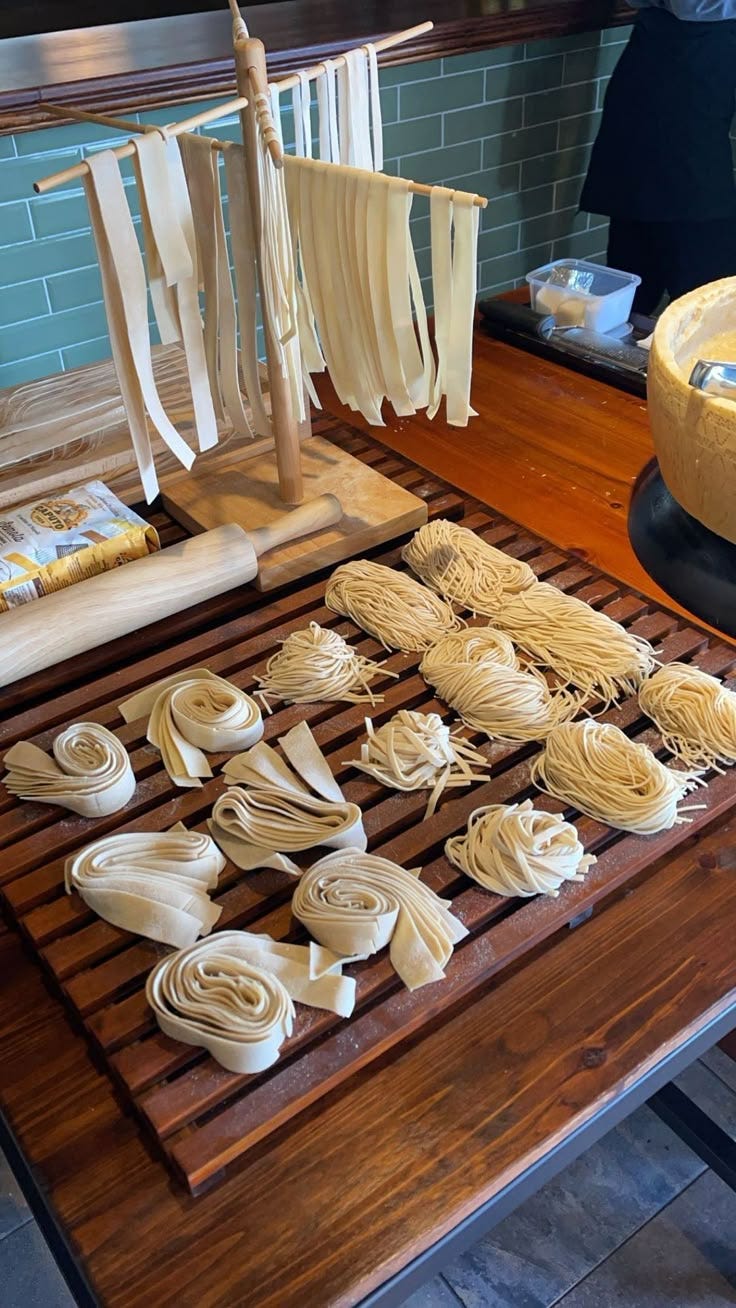
Cooking is one of my mental sanctuaries. I feel my calmest when I’m cooking. I really want to take some cooking classes and actually build my technical skills. Gluten free pasta has been one of my top wishlist items.
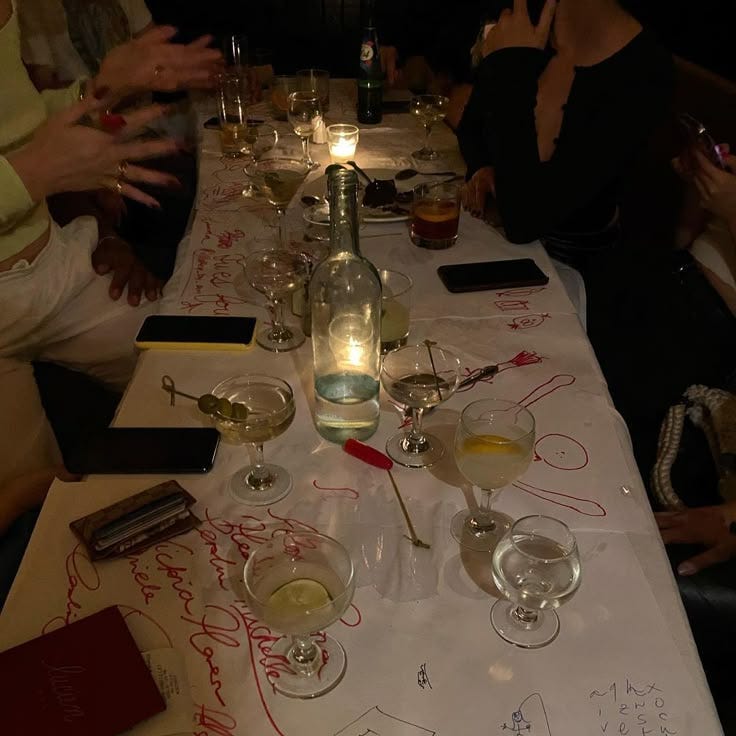
I want to make more friends and host some cute dinner parties.
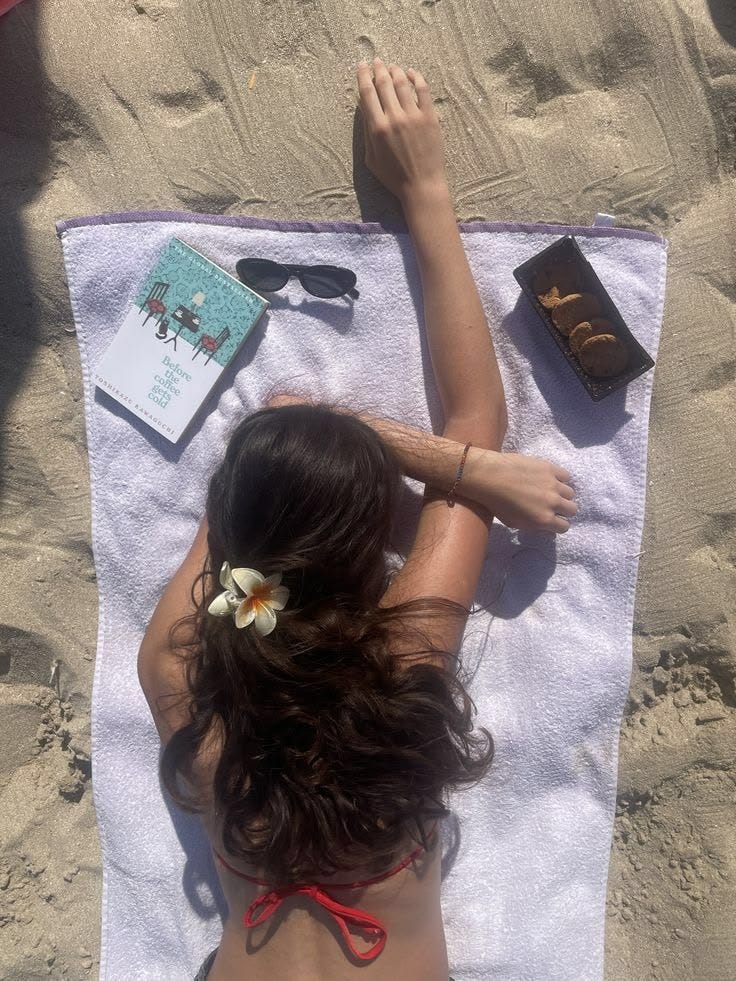
And please for the love of God, I would like to go on one real vacation with no lingering school work, no project, no job to answer to. Just chillaxing 😎
Those are some of my biggest visions right now. Some of them made me cringe as I put them down because they require me to see myself as worthy of such big and beautiful blessings but that’s part of the exercise. At some point, just imagining that I could possibly have the discipline and follow through to do a project like this seemed impossible because of my ideas about what my ADHD meant and my own limiting beliefs about my life. And here I am! In my once-impossible-spot. So I guess I’ll have to trust that I’ll cross my next hurdles just fine.
I’ve had some complex reflections this week on social justice. I guess this is just an honest insight into my relationship to a certain issue that has been a source of inner tension and confusion for quite a while. I made a video on my YouTube channel over a year again called “white men, do we actually hate you?” It was meant to be an attempt to reach out and get on the same page but people responded in a lot of nasty ways. Sometimes I regret making it because of the discomfort and baggage attached to it, and wonder if it’s worth keeping up in my special and sacred project space. But I’ve left it because it taught me a lot of important lessons about race and my relationship to resilience as an activist, which I recently reflected on in a Substack essay:
What talking to White men taught me about antiracism
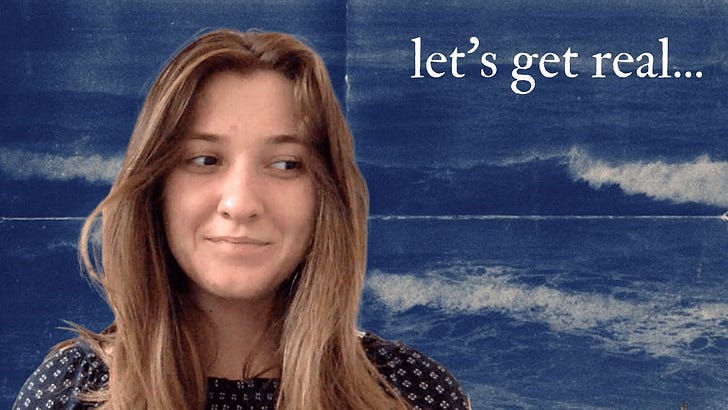
Last year, I made a video on my YouTube channel called “white men, do we ACTUALLY hate you?”
The subject doesn’t really leave my mind though. It’s been a difficult ongoing thought process for me which I’ve ruminated on quite a bit. The comment I pinned on the video was about someone saying they found nuance and empathy disgusting. And I have heard that sentiment mirrored a lot in our current world by this particular demographic. The irony is that this particular branch of people is one that I have a guilt complex about because of my empathy.
In trying to finish up one of my last papers for my master’s, I ran across a paper on incels and loneliness. It talked about the loneliness that led to the resentment they built. It’s hard not to have deep empathy for the type of lack of emotional skill and inner reflection that leads to mental health struggles and negative experiences. On the other hand, on the night that I ran across this paper, I was struggling with deep loneliness myself. As I’ve started to close out the busiest period of my life, I’ve been hit by the lack of social infrastructure I built here in London in a way I wasn’t aware of when I was working all the time. But it doesn’t really make me want to be racist or misogynistic. I just think, “I need to get out there more and do some inner work to manage whatever is keeping me from building that circle around me.”
It made me think of the weak excuses the judge made for those young boys in the article I read this week, implying that anxiety or ADHD was an excusable reason to rape someone. Everyone gets lonely. A lot of us have mental health issues. But not all of us turn towards radical ideas, resentment, or violence. Many times, we think that the approach we ought to take to that tendency is to tolerate a little bit of that behaviour and validate it to a degree to not amplify the negative emotions. We think that being forgiving, creating positivity, and not making people feel uncomfortable or accountable will make them reflect or become better people in the long run. I guess that’s been the complex pivot I’ve been reflecting on. Is that the best way forward? Or do we create situations that force people to have to actually face those emotions head on instead?
I do feel empathy for the demographic of White men I had in mind in this video, even if they don’t always feel it for the rest of us or really like it very much as a concept. That’s what’s tough. But being a recovered people pleaser taught me that there’s a difference between empathy and enabling. It’s a really hard conversation in general when it comes to collective issues. I’m not an expert at all. I don’t really know the best way forward from a sociological or psychological perspective. I just know that these mental health epidemics and loneliness issues are not the fault of people being marginalised. They are symptoms of the attitude required of oppressors — lack of desire to understand others, maintaining power above relating personally to others, and turning to anger above reflecting internally. Wouldn’t being more adamant about reducing their opportunities to oppress other people heal them too, versus being soft inside and implying it’s a valid reaction to their emotional struggles? That’s been my recent question.
It reminds me of our current tension with gentle parenting. It is important to be validating, respectful, and listen to your children, which is what gentle parenting suggests. But what many parents are doing is not that. What they are doing instead is gentle parenting’s evil fraternal twin, permissive parenting — letting your children have anything they want, refusing to enforce real boundaries, and not stepping in as an authority when it’s required. It’s letting your kids command you versus the other way around. And what that creates is not emotionally healthy children. It creates entitled children who respect nobody’s space or time and get into distressed tantrums when they feel wronged. It creates children you cannot reason with or get to listen to anybody.
And I’m not asking anyone to stop permissive parenting White men but other White people. We are the ones who do it. We are the ones who refuse to set firm boundaries and be outwardly against their racist or misogynistic attitudes, such as with the myriad of school shooters, serial rapists, and racist murderers I’ve seen move on with life with little to no jail time. We are the ones to tell people to quiet down and stop sharing valid complaints about these men’s behaviour to protect their fragile emotions, just like permissive parents do with teachers every day. We want to understand and soothe them, telling them that it’s okay to walk all over others because their entitlement is a valid emotion to a difficult world.
Saying this makes me feel guilty and also anxious. But I think it’s really the only thing that can be said, to be honest. There’s a moment where being firm and truthful is the only thing you can do, with children or with adult men. There’s really no more the rest of us can do, as marginalized individuals. We are already stolen from enough. We can’t give anymore to make sure their mental health remains intact. That’s work they will have to do. That’s how life is, sometimes. You gotta figure your shit out yourself and find a healthy way to cope with life’s difficulties. It’s part of being human.
I had to figure out surviving rape. It was the hardest thing I ever did and I didn’t deserve it happening to me. I didn’t choose it and it was outside of my control. That’s valid and my frustration about that is valid. But it’s no one’s job to navigate those hard feelings but mine, even if they weren’t my choice to deal with. Lashing out at innocent people and ruining their lives because of a painful emotion I feel is not valid, no matter how real my pain is. That’s the harsh truth, and it’s a very different thing from just “sucking it up”. No one was going to heal for me or go to therapy for me. I had to make that choice to stay alive and find happiness no matter my circumstances. I had to have a thousand hard conversations with myself that ranged from shameful to confronting. I had to manage countless dark parts of me and painful urges. I even had to figure out computational neuroscience because no one was meeting my needs in the science world. And I came out stronger and healthier because of it. What else was I supposed to do? The other option was to act toxic, project all of my feelings on everyone, and make it everyone else’s problem. Not the most productive move forward, huh? So I had to figure my ish out. Life.
So they do at some point have to figure out how to seek out help and go inwards, and they will never feel compelled to do it until we stop giving them an out by letting them get away with emotional and physical violence. No one else is gonna do the work for you, just like no one else was going to heal emotionally for me or do this project for me. It’s a problem men need to band together and sort out together without the expectation that other people diminish their needs, their autonomy, or their safety to accommodate the consequences of how they externalize their problems. It’s a reason but it’s not an excuse, just like me abusing people because I was raped would not be an excuse. The rest of us are not just dummies or punching bags or toys there to take the blow of all these “innocent mistakes” made in the name of men’s mental health. We’re human beings too and we don’t deserve to be treated like that because people won’t go to therapy. Our lives are not disposable things people can do whatever they want to. It’s not a joke to us or a passing little “oopsie” because no one wants to be firm and give a White man a bad day because he’s sad or people were mean to him. That’s not an effective or appropriate mental health conversation even a little bit and it goes against anything I personally ever learned in therapy. Just because you were hurt does not make it okay to hurt people and therapy is about sitting with that discomfort, not giving people endless space to turn away from it.
Men’s mental health is not a justifiable reason for rape or abuse or racism. It’s not a justifiable reason for fascism or extremism. Women aren’t going to have sex with you if you don’t put in the effort to be nice and meet their needs. They won’t throw themselves at you just because you want them to or another man promised you it would happen. They have free will. Many women will die alone or are virgins until much later in life, and these same incels tend to say all sorts of nasty things about them. Still don’t see these women perpetuating wide-scale oppression. Every opportunity cannot go to you in this hard job market just because your skin is light. We’re all struggling out here, not just you. And you won’t win every competition just because you want to. Maybe that’s unhelpful but it’s kind of how life is. It’s hard to know what else to say and what else we (who they don’t even seem to like or want to listen to) are supposed to do to help them feel better about the world right now. Maybe the world is just extremely hard for all of us and they’re not really… special. They are not owed sex with women and they’re not owed a job and they’re honestly not even owed some type of exalted societal respect for being white nor men. Sorry if that’s mean but… that’s life. Maybe the isolation and the feeling that people don’t really want to be around you is a “natural consequence”, just like gentle parenting, right? Am I a horrible person for thinking or saying that? Should I be walking on eggshells about it? Are we supposed to let them oppress us for their mental health just because they want that or… Because that’s how people seem to want us to think about topics like the male loneliness epidemic. I don’t want that to sound harsh or like I don’t care but it seems like the most compassionate step forward is to dismantle the patriarchy and to dismantle racism. It’s to stop leaving the opportunity open to have an oppressor mentality, which is the most loneliness inducing mindset of all. What else as a woman am I meant to do? What am I supposed to be giving or saying beyond this?
I don’t know, it’s been kind of a complex trajectory of inner reflection on the subject for the last few years. I’ve been wondering what to read to understand better but I feel a little lost on what other conclusion I’m meant to make when it comes to supporting the feelings of people taking my rights and safety away. All I can say is that I guess part of the point of gentle parenting (the real type) is that you have to learn to be strong and let kids have a tantrum without giving in, and hold your boundaries firm through the chaos. Sometimes, yeah, you do have to go to prison for your choices, just like everyone else does at this point in time. Sometimes, yeah you will be expelled. Sometimes you won’t be a top choice. Sometimes women won’t want to date you because you don’t respect them. Sometimes people will stop talking to you because you’re inconsiderate and you don’t listen. They can feel their feelings about it. Doesn’t mean you’re going to appease them just because of their reaction. The irony is that in parenting, this actually creates the happiest and most well-adjusted children, not being permissive all the time. Permissively-parented children are notoriously bitter and miserable because they have no structure or internal tools to cope with life’s bumps in the road. Everything rocks them like crazy and they suck to be around. As someone setting boundaries, you have to get stronger inside and learn to handle your own emotions rather than just giving in to make the discomfort stop if you want your children to really live a good life. So maybe that’s the lesson in it for me. Because I’m running out of ways to really imagine being helpful that aren’t just, “You need to stop expecting other people to be oppressed so you can feel okay, because sadly for you, that’s not going to happen anymore. And you are just going to have to learn to cope with that.”
I spoke in my last reflection about concepts like compassion being more difficult than you think. That is exactly what has made this a a hard journey. I do have immense compassion for them. But sometimes true compassion can mean not shielding someone from reality, and being honest with them, so they can actually grow and expand.
SAYING “NO”
Loving someone doesn’t mean saying “yes” to whatever the other person wants. The basis of loving someone else is to know yourself and to know what you need. I know a woman who suffered very much because she couldn’t say “no.” From the time she was young, whenever a man asked her for something, she felt she had to say “yes” even when she didn’t want to. It’s important that loving another person doesn’t take priority over listening to yourself and knowing what you need.
— From Thich Nhat Hanh’s “True Love”
(P.S. Have you seen those parents that always give their kid a present on the other kid’s birthday because their child has a massive tantrum that they don’t get a present too? Because it kind of reminds me of a certain collective response to diversity initiatives.)
(Type of energy we need to be in societally for a bit…)
I’ve been extremely overwhelmed by my future this week. I love London and I would love to stay here. I need to either get my graduate visa or move home soon and I’ve been a bit financially conflicted. London has really started to feel like home now. The U.S. is a mess. I have a gym membership. I have routines. London inspires me.
On the other hand, I’m living paycheck to paycheck. It’s expensive. I have to work constantly to keep up and that has been isolating. I need either a new job or a second job soon and the job market here scares me. It’s a lot at once.
One of my biggest internal blockages as a young woman in academia, which I’ve been on a rocky quest to change, is that I never want to “waste anyone’s time” with a conversation. I always feel somewhere inside that my requests to network and connect are a disruption in someone’s day. Even if it’s not how others see me, I feel like people will not see a conversation with me as a valuable use of time. I have a great potential network right now, but I feel worried about reaching out for extra time to discuss my future or my career. I’m unsure of how to get from psychology to computational neuroscience. What career options should I be seeking out? How do I go from doing this almost everyday in such an intense way to potentially having to toss it to the side to do some random psychology job to make sure I’m paying my rent? That one hurts a little because I’ve been so deep in a pool of inspiration this year. I just want to keep producing and growing.
It’s actually a much smaller jump than I was trying to make before, which was from Comparative Literature and Societies to neuroscience. That one was the crazy one but I managed it somehow. What now? What tangible moves can I make? Will people see me as a joke if I ask that question? I feel very insecure about my place in this career choice, to be honest, despite doing something random and unthinkable. As a girl, I feel embarrassed to admit that it’s what I want. It’s a little pit of shame in my stomach I’m trying to learn how to handle and work with.
I’m hoping this trip back to Brazil will be a good source of inspiration for me. It was actually in Brazil that the word “neuroscientist” popped into my head for the first time. I was in Rio with my mom and sister. We were staying in a hostel. I was just as overwhelmed back then. My childhood home had just been sold. I had just graduated from one of the most emotionally tumultuous years of my university lie and I hadn’t even begin to process the trauma. That trip actually helped build the theory I’m writing about because with school assignments out of the way and a new environment without my abuser around, I was hit with a truckload of trauma to process. One day, I told my mom and sister to go out without me. I needed to process where I was going next.
I knew at this point that I wanted to move to London but I had no idea how it would be feasible for me or what the path forward was. I decided to do a meditation I’d done countless times since I started a spiritual journey at 19. It was always my go to when I felt lost:
It guides you into a relaxed state before helping you visualize a journey into a tree. In the tree, there is a room of your imagination, where you meet your higher self and can ask it questions. This little world to me is like a second home with how many times I have explored it over the last 5 years.
This time, I asked it questions about what path to take forward. I started to make loose connections, like scraps of my last few years coming together. All of a sudden, a voice called out inside of me: “You’re a neuroscientist.” It felt random and unexpected but also right in my body. It made my soul feel at peace and like something inside of me made sense. I finished the meditation and went downstairs to the hostel computers and started hunting down some research projects to contact. One of those happened to be the Mother-Toddler Study at the Anna Freud Centre in London, which ended up being my first ever research job and my catalyst for moving mere months later. From there, this whole insanity unfolded. My first ever supervisor there for an interim project I worked on was actually a neuroscience post-doc herself, who I later showed my project when it was just in its early stages, and she suggested that I turn it into a proposal to send to people. Because of her, I secured my first supervisor for a real neuroscience project which is now almost done.
Crazy, huh? The path was already laid out for me piece by piece. I guess the higher self I was meeting that day was me now. Sometimes your soul can call out for something that doesn’t make obvious sense on the surface, but if you let it play out, it will show you why that was the right choice. Sometimes your body and soul just know. That’s why as a scientist, I have a deep respect for the spiritual and the unexplainable. Life is weird that way. Some things are truly beyond comprehension.
So in this week’s lostness, I headed to the park for some meditation.
One of the main things that popped up in terms of questions was actually in reference to something a palm reader told me when I was 20. My best friend had come to visit me for winter break, and we decided to pop in for a palm reader advertised on the side of the road on a whim. We went in separately to a small, dark room in a skinny little New York building to let the frail older woman decide our fate. She looked at my hand and saw a fracture into little pieces in one of the lines.
She told me something in my life had broken me up. “You were very sick when you were young, maybe a teenager.”
I did struggle horribly with mental illness and was very sick inside. I didn’t say that out loud but I nodded along. She intuited everything — my parents had separated and my family broke apart. Luckily, the line came back together later, signifying how my soul pulled itself back together. She told me I would only marry one time, and we would stay together our whole lives. I was going to be a very successful person. I was very likely to have twins, or one of my siblings could have twins. I have a Gemini moon (Gemini is the sign associated with twins and moon is the sign of motherhood), and my sister has a Gemini 5th house, which is the house of children, so if one were to believe in astrology, the chances of that being true didn’t seem too bad. Then she told me something that stuck with me.
“You have a strong aura. Powerful. But it has a crack in it, right around… here.” She waved her hand somewhere around my head.
Of course, the statement came with an offering to buy a special healing session, so I took the advice with a grain of salt. At the same time, it resonated. In that period of time, I was dealing with something I had just recently dubbed “leaky brain syndrome”, in joking reference to “leaky gut syndrome”, which is an online wellness phrase for when your gut barrier is disrupted and you struggle with things like acid reflux and intolerances. I was dealing with plenty of those symptoms too in conjunction, which I now know is because I was constantly failing to get my nervous system in rest-or-digest mode. But what I called “leaky brain syndrome” was the feeling that I couldn’t really identify what was coming in and out of my brain, who it belonged to, and what it was about. It was like a waterfall of intrusiveness and unprocessed information that made me feel like I had no idea where the lines of my own soul were. Was this intuition? Was it trauma? Was it other people’s thoughts entering my head? Obviously not, but I was struggling with intense dissociative states that made it really hard to distinguish that. It was very crack-in-my-aura-esque, if we’re being honest, that feeling that the world was spilling into me, and I into the world. This sensation was also accompanied by a deep feeling of brokenness, like I was fragmented into a bunch of little pieces.
Today’s meditation brought that crack to mind. I’ve pondered it a lot of the years. Is it healing? Has it closed up? Is my aura intact yet? I definitely feel more contained inside. But sometimes I still feel a little broken up into pieces. Less pieces, but pieces nonetheless. When I was in this magical, special room today, I asked my higher self what I could do to close it up a little. I don’t always feel my questions answered immediately in the meditation (but sometimes I do). Sometimes I get my answer right after or sometimes in the next day or two, like submitting a query via a contact form.
The first phrase that jumped into mind at the end was “No one gets raped for being a people pleaser” followed by a feeling of self-forgiveness.
That was guilt and blame I held onto for a long time. Maybe if I had been more vocal about setting my boundaries in my relationship with this person, prior to this, it wouldn’t have happened. But rape is a very intentional choice and an obvious “no”. The cruel irony is that society teaches young girls from early age to be docile and ignore their feelings. That sets us up for failure in later life, sure. But it’s not a cause for rape. I should have learned that lesson through imbalanced friendships or a demanding boss, not through PTSD. That was my rapist’s choice.
I think writing down my leaky brain syndrome story when I came home was my higher self energy coming through as well. I also asked my higher self how to get a little more hyped for the end of the project because I’ve been a bit energetically depleted. The piece I’ve gotten stuck on is writing my metrics for my sparsely coded recurrent excitation trials, which is actually my “leaky brain syndrome” model. In that one, I saw how as recurrent excitation was getting squashed, my model had a harder time distinguishing between the memory (the learned pattern) and the outside world (the noisy pattern). In some spots, it squashed the old memory completely. In others, it made awkward combos between the inner world and outside world. It’s nice to remember that I know this sometimes. It’s not foreign information, as much as the actual computational model has required reminding myself of certain bits over and over again. But the essence is still just me and my old inner world. What do I want to learn about leaky brain syndrome? What do I want to quantify about my experience? That’s the question right now.
Later in the day, I took some time to weed my backyard a bit, which was starting to get a touch unruly.
One thing about me is that I actually have a soft spot for weeds. I think they’re actually kind of beautiful. In my old tiny flat near Islington, my landlord and flatmates were constantly in a battle with the gaggle of little mossy plants that grew through the cracks and nettle bushes that grew alongside the side of the outdoor patio. They thought it looked unkempt. I said thank you when I came home to it excavated and back to smooth, clean rocks because I know it took a lot of effort from my landlord and I was grateful. But deep down, I actually really liked the really green outdoor area. It made my heart feel full. I loved seeing it. I think that’s something I get from my mom.
I pull weeds because I know it’s “acceptable” but in my heart, I really like a pretty and wild garden. It’s so good for pollinators. I actually did uproot everything hanging out on the stones today to keep the patio clean but I’ve struggled to grab up the wildflowers that the bees have been loving outside. They’re next on the list, just because I sublet and I want to keep it how the old owners kept it out of consideration and for the sake of the neighbors. It had me dreaming of my future garden though. I want a big pollinator garden one day.
Maybe my spirit was still in a learning mood, but the spiky weeds had me deep in a thought process about my womanhood. I thought about how weeds are a category humans made for things we deemed useless, even though many “weeds” are some of the most healing plants out there. Dandelion leaves are great for your digestion because of their bitterness. High end health food stores now sell them at top price, even though people yank them out of their garden every day. Nettle leaves are extremely high in minerals and great for things like burnout. I actually made nettle soup about two weeks ago from some nettle I foraged in my neighbourhood. So “weed” is just a label for how beautiful and valuable we deem a plant in accordance to our needs, not any real indication of its usefulness in the wider ecosystem.
As I picked a particularly spiky weed, I thought about how many plants are naturally built to keep themselves safe so they can stay alive. That’s a quality we don’t particularly like in plants, is it? We feel irritated by it and it lessens our perception of them. They are meant to give easily and be for us to take. We domesticate them and take away their protective features. It made me think of roses. We can’t just look at them from a distance and respect that their thorns mean they don’t want to be touched. We had to yank them and selectively breed them without thorns to be a nice object and decoration for us. It made me think of how we look down on women who protect themselves and stand up for themselves. We want them to be decorative items that make people feel good, so we breed them from young age to not have thorns.
Oscar Wilde wrote a beautiful and heartbreaking story on an adjacent theme which I read when I was very little and it was a bit traumatizing but stuck with me for life.
It’s about a young student who desperately wants to take a girl to a dance, but she won’t go with him until he brings her a red rose. Sadly, he has no red rose in his garden. A nightingale listens on, taken by his romantic nature. She flies from rose bush to rose bush, desperate to find a red rose for the young man. She promises to sing them a beautiful song in exchange, but none of them agree. Finally, one white rose bush tells the nightingale that she could get a red rose, but it would be through a horrible sacrifice. The bird urges him to tell him how. The rose bush says the nightingale must sing her song all night while pressed with her heart in the thorns until the rose petals are painted red with blood. The nightingale pauses to think. “Life is beautiful,” she thinks, “but what is life compared to the love of this man?” She remarks that this young man’s love is a much less valuable thing than her life as a bird. She agrees to do so, while hoping only that the student be a true lover.
The student finds the nightingale’s song beautiful, but remarks how just like many other artists’ songs, her music is meaningless. He has no way of understanding the well of depth in the bird’s song to him. He just wants to think of the girl he is infatuated with. The nightingale sings a beautiful and profound song about love all night with her little heart pressed against the thorn. With all the singing and pressing, the rose was red by morning. By the time it was finished, she was dead.
In the morning, the student goes down to the garden and is excited to find the red rose. He plucks it and brings it to the girl he likes, reminding her that she said that she would go with him to the dance if he brought her one. But she frowns and rejects him, saying the rose will not go with her dress and another man already sent her expensive jewels. Frustrated by her ungratefulness, he throws the rose into the street where it is instantly crushed by a passing cart. In the end, the student remarks:
“Love is a very silly thing. Love is not as useful as logic, because it does not prove anything. It says things that are never going to happen, and it makes people believe things that are not true. In fact, it is very unpractical. I will go back to my studies and learn about practical things.”
It’s meant to be about the supreficiality of this scholar’s love versus the depth of a real true romanticism. The nightingale knew a love a thousand times deeper than this bookish student, no matter how much he had read about it on paper and claimed to understand it. He remarks so flippantly on love, completely blind to the immense act of love carried out by the nightingale on his behalf just the night before. He thinks he is aware of everything, and is in fact aware of very little. To the nightingale, love was powerful for love’s sake alone. To the student, it was something that could be easily discarded when he didn’t get his way.
To me, it feels meaningful that the nightingale was a woman. It made me think of the powerful and unseen sacrifices we make, the amount that we give that goes entirely unappreciated and unnoticed. It stuck out to me as a young girl who over-gave horribly. I loved love, even as a little girl. I would feel immensely sad if I thought people might feel unloved by me. Sometimes my mom would come in in the night when I was in elementary school and offer me an extra blanket. It broke my heart to reject her, even if I was already warm, because I thought she would feel really sad that I didn’t want something she was giving to me. I honestly thought she would leave the room feeling really hurt inside and even cry. So I always said yes. I kept presents my parents gave me for years after, even if they weren’t my style or probably had zero significance to them because I imagined them getting excited to give it to me and pick it out with care. It hurt me inside to imagine them thinking I didn’t appreciate their effort. I was happy they thought of me in the first place.
Women are socialized to give so much. Even this project I did for completely free, donating hundreds of hours of my time because it broke my heart to see the conditions survivors were in. I actually even spent my own money on it. I could have waited, built up strength, applied for a grant, and made good money on it 10 years down the line when people were more likely to listen to me. But the thought of people suffering from this condition for one second longer without relief made me feel a sense of urgency. Us women sacrifice our resources tirelessly all the time. It is partly us having good hearts, but it’s also how we’re taught to navigate the world. People don’t even bat an eye to see us give up absolutely everything of ourselves in love, motherhood, activism, and our careers. We spend our lives in deep service to those around us, expecting little in return. It’s in our “nature”, or at least we’re taught that. It’s a quality I cherish in myself but that has also been problematic or painful many times over the course of my life. I find myself over-giving all the time without even noticing I’m doing it. It’s some of my deepest programming.
I also asked my higher self why of all of the things I can bring into my world — discipline even through my ADHD, a nice place to stay that I can afford, even the root cause of my trauma when I had never studied neuroscience before — I couldn’t seem to attract financial abundance. I could survive but I couldn’t thrive.
“That seems like it should be the easiest one,” I asked her. “It’s just money. People pull themselves up and grow abundance everyday but I’m still struggling even through all the amazing and seemingly impossible things I’ve done this year through my self-belief.”
The next day, coincidence or not, I felt drawn to watch this video:
I grew up low-income. Many times, I would come home and we would have failed to pay some type of gas bill or water bill. My sister and I would often sleepover at my grandparent’s house for a few days so it didn’t disrupt us, or we would have to buy a water jug to heat on the stove for a shower, for example. We never paid for a single home renovation in our old house. My dad and grandpa did all of them with the tools they had. We were on EBT cards for a lot of my childhood. Our neighbour would bring us a big bag of old Panera bread she got at church and bring it to us. That was our breakfast for days a lot of the time. My parents were definitely not very financially savvy. I think my dad has just started to get there but neither of my parents invested growing up or had a lot in savings. I don’t think my mom has even ever had a credit card. They both had debt of some kind.
I always wanted to be financially stable from young age. One of my first money memories was winning my first big essay contest in the fifth grade and earning $100. I bought my own video game console with my own money, and I’ve kept it to this day because buying my own expensive thing was a source of immense personal pride. My sister took on a more freelance type arts career (which she’s certainly talented enough to be very financially successful in). I never wanted that. I wanted a monthly paycheck at a stable job for my whole life. I worked from the time I was 15 and I would frequently help my parents out if they needed it. When I was 16, I took a finance class at school. I was incredibly invested in it and when we took our final test, I actually ended up testing one of the highest scores in the country. I became a “W!se Financial Literacy Ambassador” through that test score, which only went to four kids in the country, and won $1000. Part of that went to helping my parents pay the bills and the other part went into my savings account. When we were selling my childhood home a few years back, my parents lowballed the price a bit in our neighborhood which was getting massively poached by house flippers. When I told the price to some of my friends, they were shocked and said it was insanely low for what they expected. I worried. The house was the only investment my parents actually had. They should get the biggest possible return on it. When I asked my dad about it, he told me a list of reasons it was priced so low — the roof needed fixing, the floor had a raised bump in it, our renovations weren’t the best. Even so, I knew by everyone’s reactions that they could have more, particularly with how many people had dropped by our house begging to buy us out and let them flip it. I arranged myself to meet with the realtor, pointing out multiple qualities of our house that were unique to the neighbourhood. We had a bigger yard which was also fenced in, for example. We were in prime real estate, close to our quickly growing city’s university. She agreed through conversation with my mom to raise the price by around $50,000 or so. When the flippers finally started to offer up prices, it sold for that amount. Think, they could have made $50,000 less just because they were focused on the house’s downsides.
I work really hard. I don’t buy many clothes. I read a lot about personal finance. So it’s been a bit of a blow to still be living paycheck-to-paycheck right now. I want to start investing. I want a bigger savings account. I want to follow the 50 30 20 rule, which has not even been feasible for me this year. I want to live below my means and still have a good lifestyle. I want to save for retirement.
On my Brazil trip, I want to take a little time to really thing about what is psychologically stopping me from feeling like I can make money. I did a highly valuable activity this year and I should be earning at that level. I shouldn’t have to be scrounging around for coins. I mentioned earlier that I’ve had a survival mentality with my finances. I need to figure out how to leave that thinking process because if not, I’m not going to make the amount of money I could be making. I should be having fun. I should be enjoying my money. It should be making me smile. But I’m already in a doom mentality about my potential upcoming move. I’m already envisioning myself mentally in a crappy apartment in the middle of nowhere. I’m expecting myself to not make ends meet. I’m expecting to struggle to find a job. It just makes no sense.
Personally, I think one of my parents’ issues (and it’s a compliment, really) is that they didn’t treat themselves, the work they did, and they things they owned as being as valuable as they really were. And I say that as a loving daughter. They went for low-value jobs and devalued the things that they did very often, despite being some of the smartest people I knew who are highly creative and entrepreneurial (and I’ve told them this). They invested time and effort into things that were great, and then gave up on them before they could actually get a return or didn’t see them as very special. They never acted like they could be rich. They didn’t elevate their worth over time. They believed they would always make a low to medium amount. They never got into the details or learned to think like financially comfortable thought. They never prepared for amazing, even though they had the deepest potential for it. I need to break that cycle and see myself as valuable, which I am. I need to genuinely from the bottom of my heart believe that I will not live a low-income life anymore.
Sometimes I go on a walk and speak aloud to myself. It’s a weird but mentally effective habit. I try to walk in places without people so I don’t seem like some kind of public danger but something about the movement helps me process. I’ve always walked a lot since I was a kid, just to reflect and put the pieces of my life together. Meanwhile, talking helps me learn what I don’t know. Sometimes I’ll tell a story in Portuguese and see what vocabulary I’m struggling to find or explain my life story.
Today I had a talk about my project. I went all the way from place cells to Hopfield networks. What I found myself struggling to explain was how weights worked. Thats been my biggest tangle. It’s easy when you’re working or thinking to abstract things and glaze over the parts you don’t get because you know them enough to use them even if you don’t have a profound understanding. It’s only when you start explaining it to someone that you realise your knowledge is lacking. I walked all the way to Waterstones to see if I could hunt down a book to help me really get it.
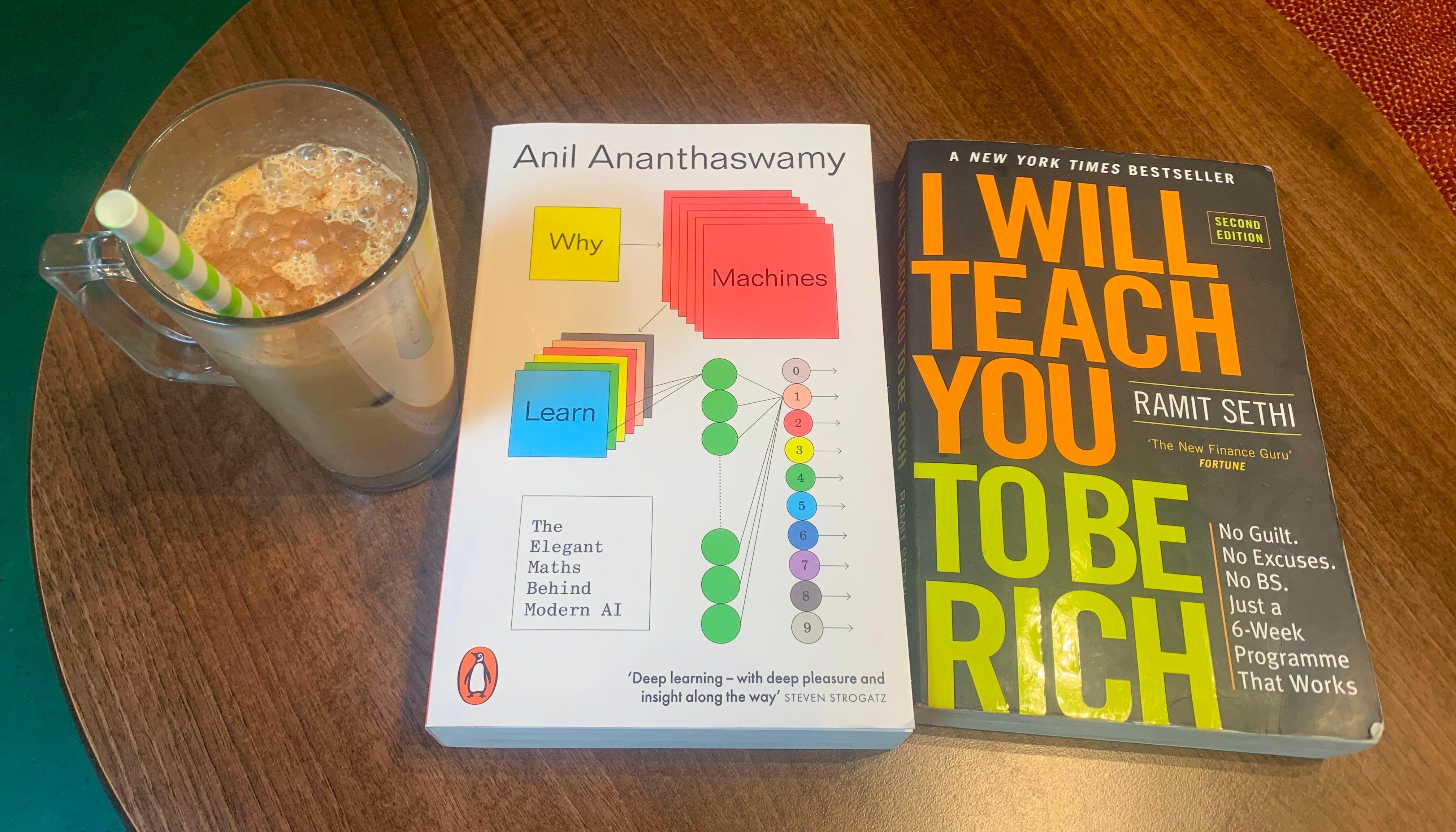
I ended up purchasing “Why Machines Learn: The Elegant Maths Behind Modern AI” by Anil Ananthaswamy after some consideration. I saw some sections on matrices and Hopfield networks that seemed extremely useful. I sat down for a good 45 minute read at a coffee shop.
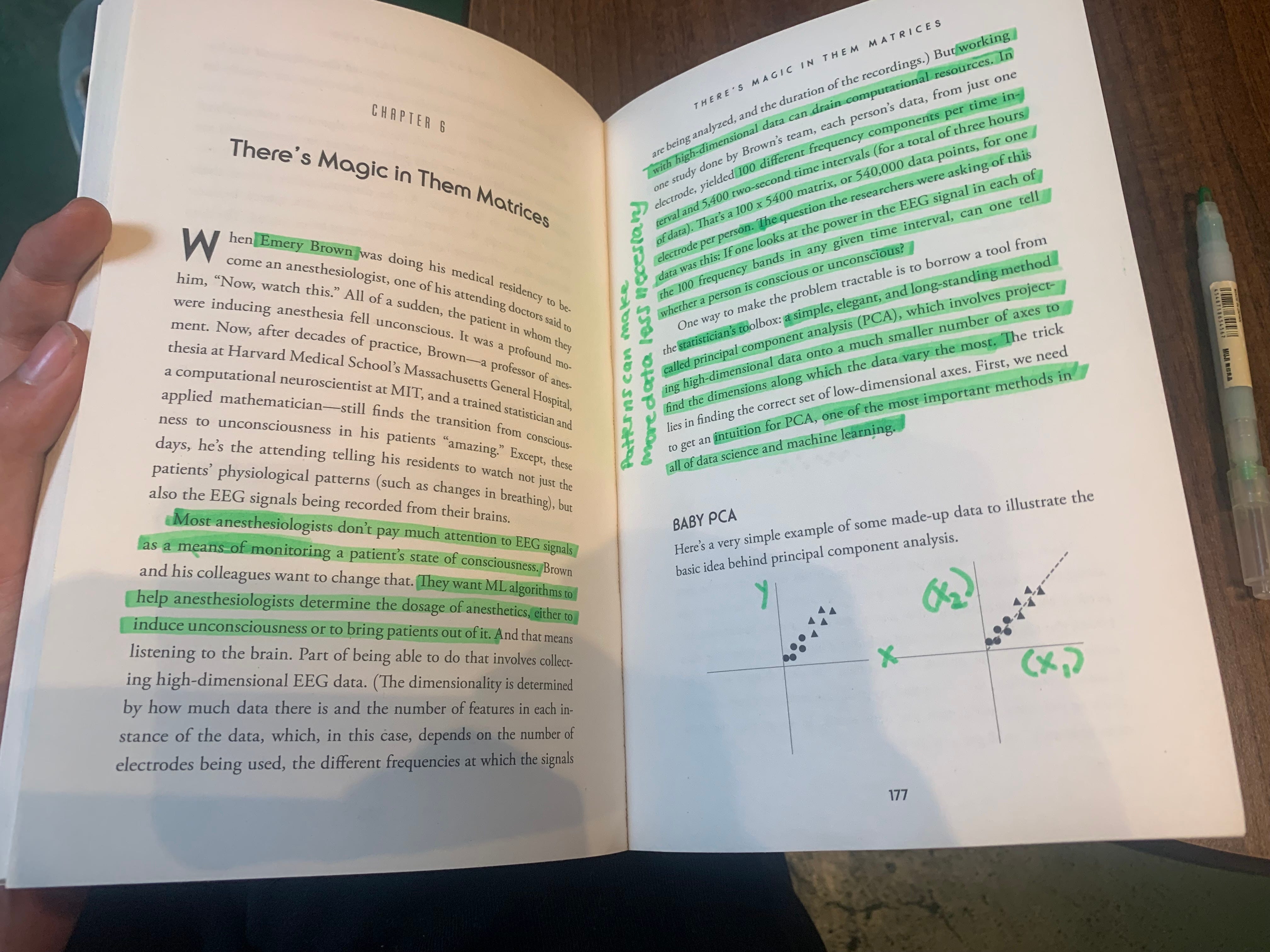
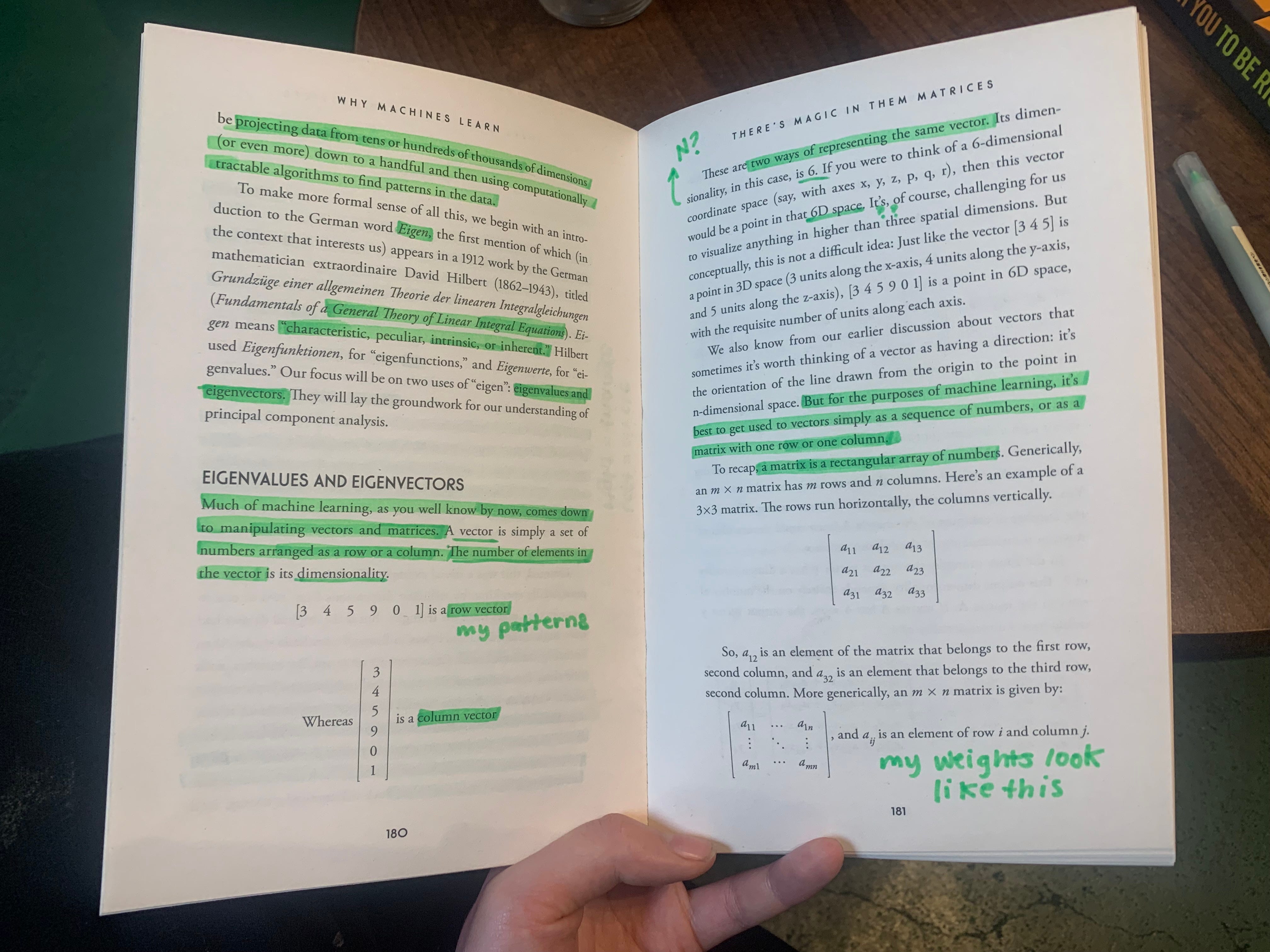
My weights matrix started to come to life before my very eyes. The section on eigenvalues and eigenvectors was useful to me because I remembered how some experiments were normalised through subtracting the sparsity, which is apparently like the expected mean. Now I saw what they were for.
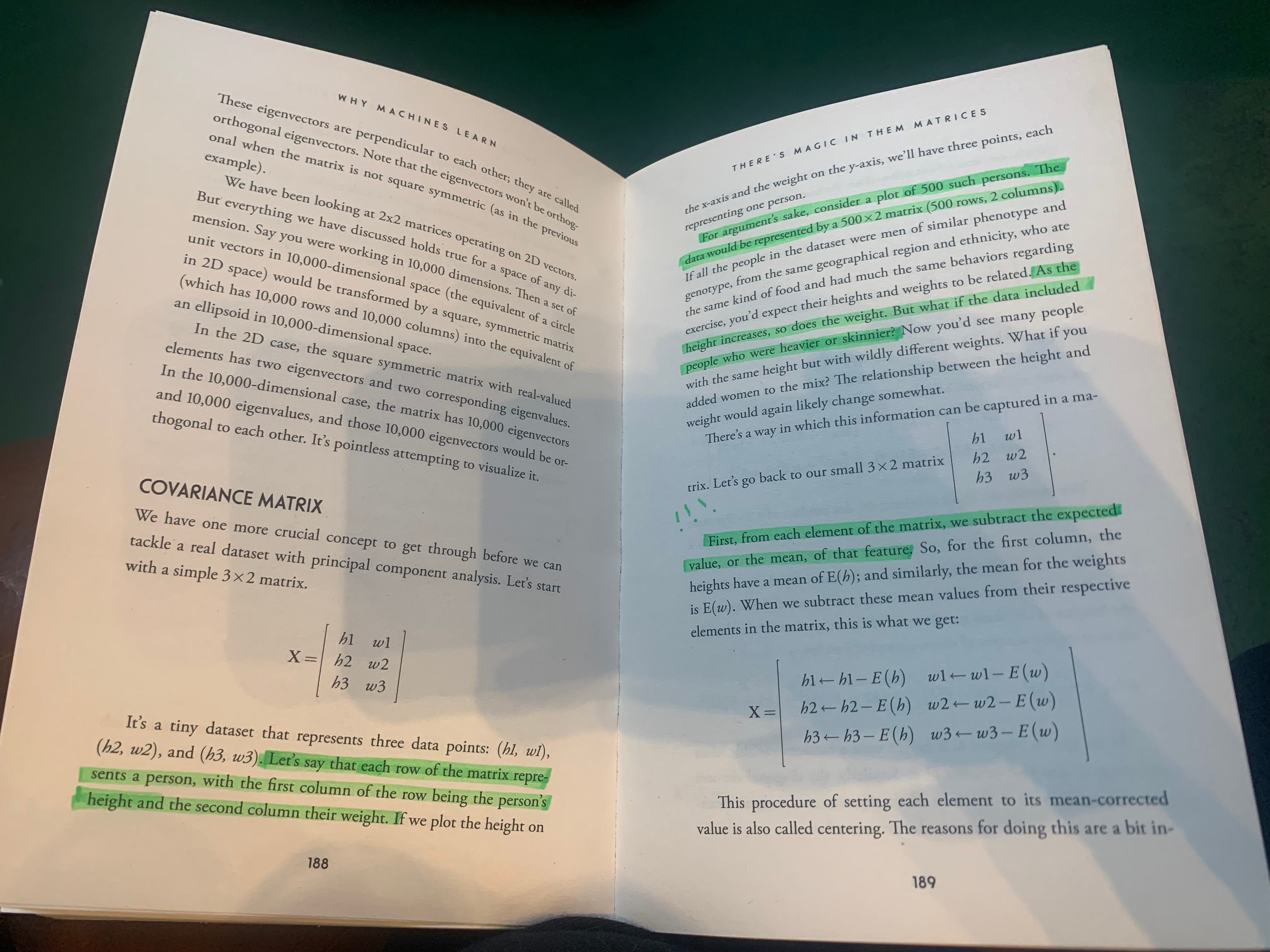


Thats also what was stopping the matrix from resulting in really massive numbers, or so I think I remember learning.
I once again almost didn’t buy this book to not be a book hog, but I remembered my conscious spending plan from earlier this week where I said that books were a worthy investment and I’m glad I went for it. Financial education in action :)
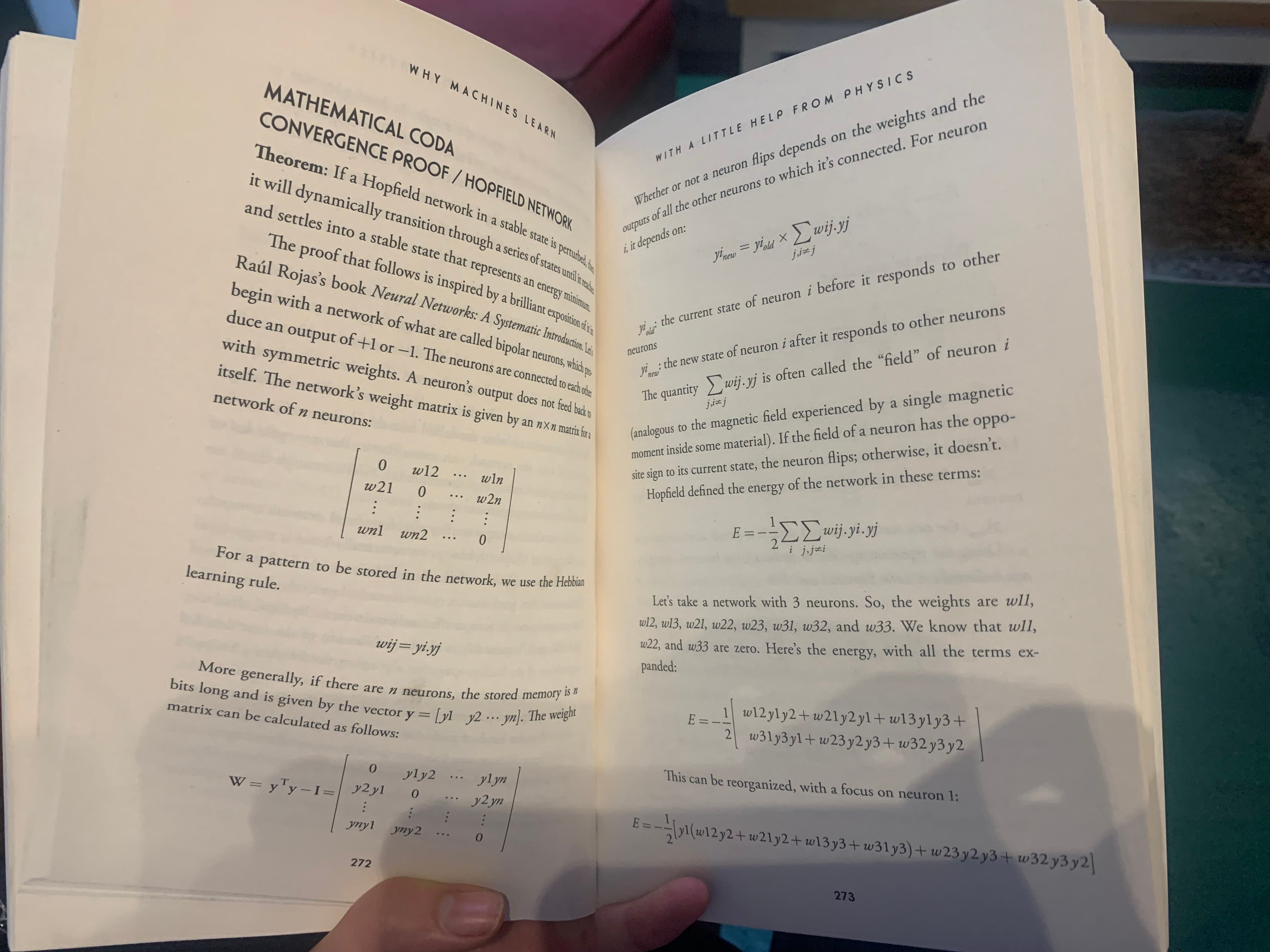
I wasn’t planning on bringing a third book with me but I think this chapter will make really useful airplane reading.
As a side note, this chapter spoke about the work of Emery Brown, who is a statistician, anaesthesiologist, and computational neuroscientist currently working at Harvard AND MIT (can you imagine???) whose work I really look up to.
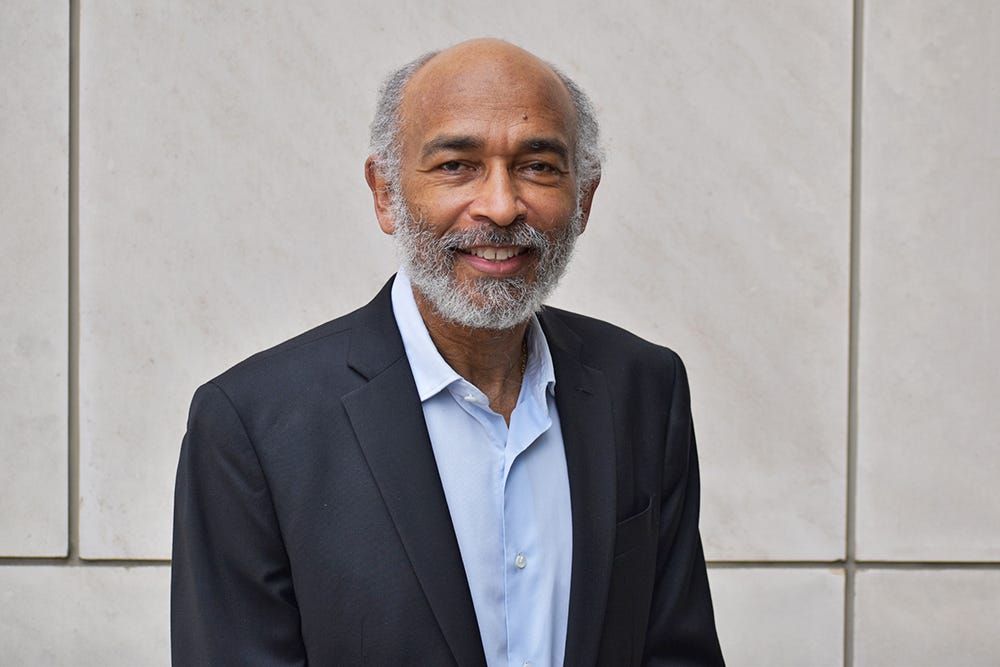
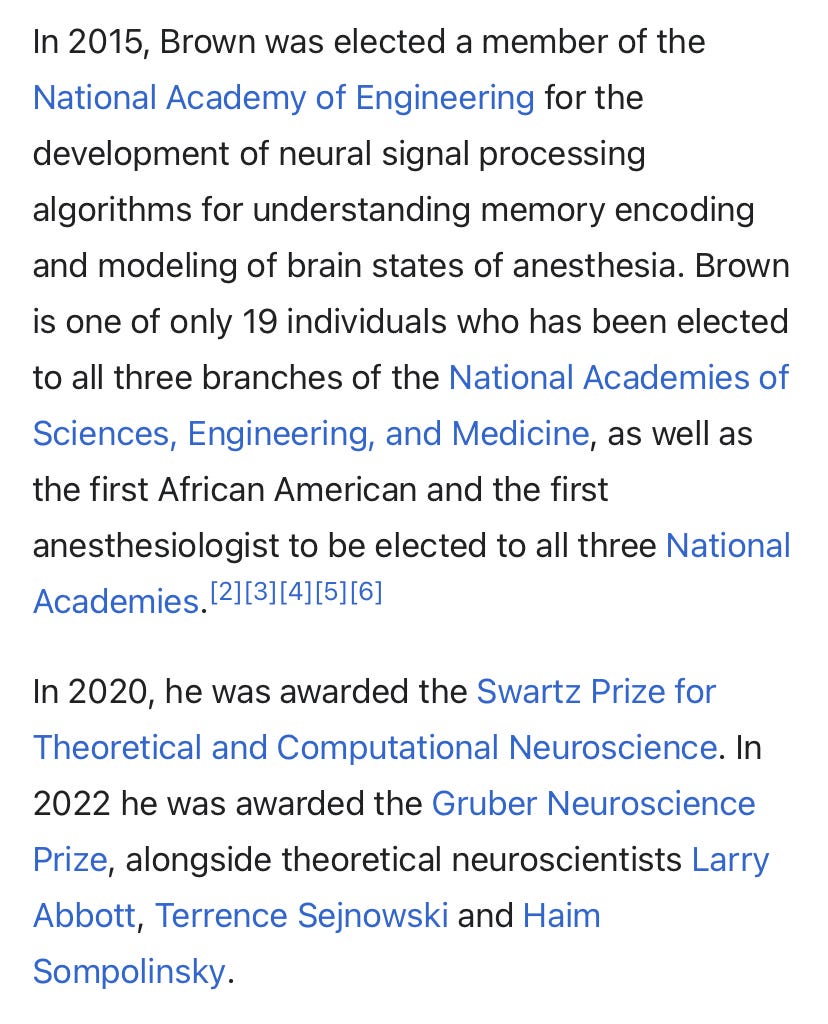
I mentioned in my last reflection that when I’ve built my career more, I would love to bring some more STEM energy, to my old public school system, which is in large part Black and Hispanic low-income students. Since I’m speaking things into existence in this week’s reflection, he’s someone I would love Richmond Public School students to be exposed to in some way shape or form. He’s really cool representation for a niche field I doubt many students have heard of. Maybe one day, let’s manifest it! His work has been on my list to do a big read-over of as he also works with memory.
I finished out my “Care Package” week with a myriad of chores to prepare for my trip, including but not limited to loading up my iPad with texts to read, grocery shopping for the catsitter, and mercilessly pulling up weeds until the garden was pretty much a nice flat surface again.
I also finished up the “Conscious Spending” chapter over breakfast. It talked about making slow, sustainable changes which actually soothed the overwhelm a lot, but was also aligned with a theme I was reflecting on all week.
I never thought I would be so prepared and organized with ADHD. In the past, I would tell myself I would prepare, make a basic to-do list, and then spend my week frozen by the idea of the upcoming change. Nothing would get done until the day before. This week I completed countless tasks far in advance, including doing all the foundational work for a paper due in 17 days. This level of executive functioning is very new to me! Everything is so prepared. I even mapped out the exact trains I needed to take to the airport on a nice little travel spreadsheet.
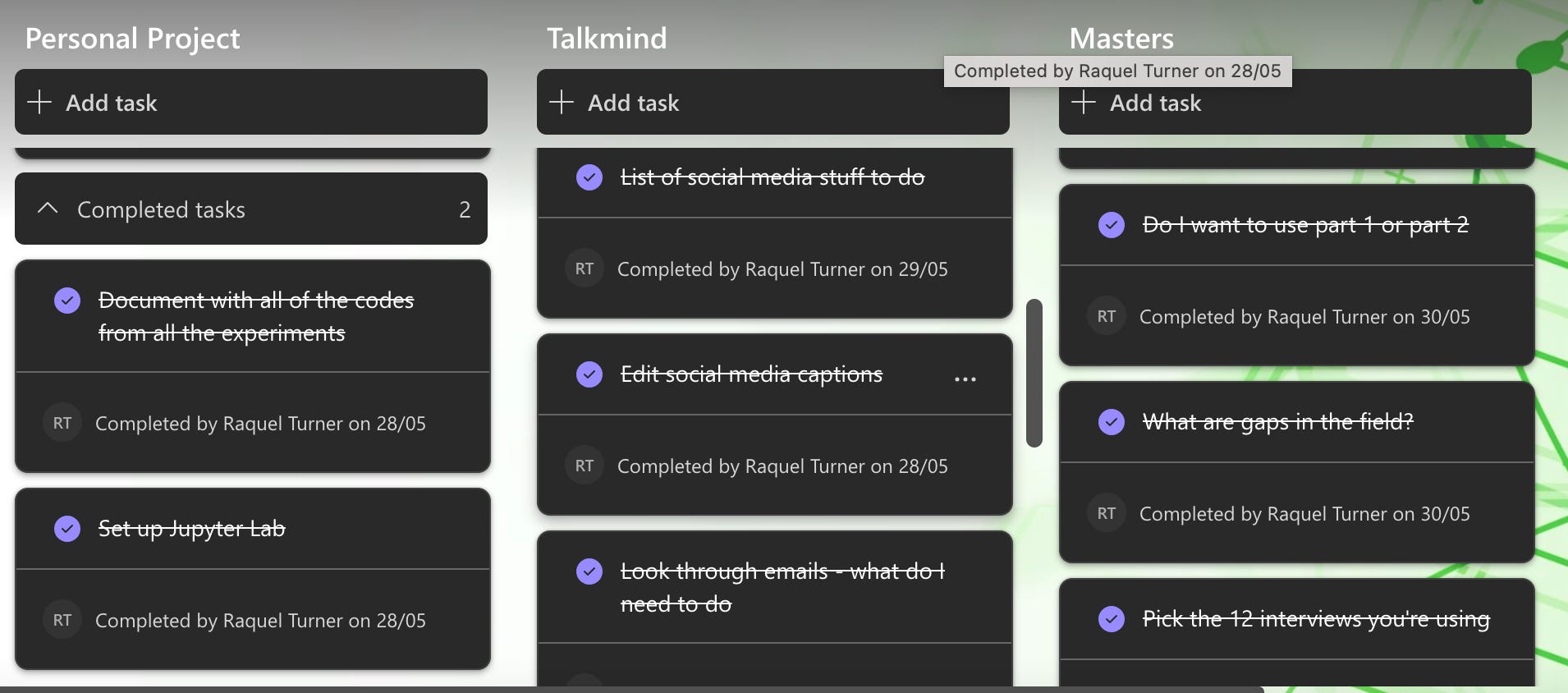
Sometimes when you’re in the midst of a survival-mode scramble, you go building skills without thinking about how much you’re growing. Once the craziness passes, you can see just how much you’ve changed. My ADHD used to be paralyzing and a source of very low self-esteem. Now it’s just an afterthought. I’ve been really proud of how much I’ve learned to manage my ADHD through some of the most task-switching, on-top-of-my-shit-necessitating years of my life.
I’m really looking forward to next week’s reflection in Brazil!