Loosening Up: Weekly Reflections on a Personal Project
Tuesday Reflections on my journey towards a computational model of dissociative amnesia

Week of May 5th through May 11th
This week I was struck with inspiration followed by exasperation followed by days of giving up and just enjoying life.
Inspiration struck on Tuesday on another random derailment from my studying for my Wednesday final. This project has been a process of productive errors and this one may turn out to be one in the long run.
Two weeks ago, I accidentally deleted my pattern separation experiment. Luckily, I had a typed copy so I asked Claude to write it for me again from that. Somewhere along the way, it changed my bias without me realising it, or I copy-pasted it myself from my combined experiment. The edit completely wiped out the hallucinations and memory errors I was seeing, to my frustration. Late last week, I went back to one of my YouTube videos with a successful run and painstakingly went through each piece of the old code to find out what had changed.
But while I was studying for my exam this Tuesday, I had a thought. If that bias change reduced the hallucinations, it might hold a key to some helpful solution which would reduce the symptoms I was seeing in my model in a real brain.
This is the bias that made every encoded pattern, no matter how dense, encode as is without issues in recall — no hallucinations, no memory loss:
bias = np.sum(weights, axis=1) * a
This was the bias that produced hallucinations:
bias = 0.5 * np.sum(weights, axis=1)
I knew it was good that I had seen them because it meant my Acetylcholine (ACh) model was realistic. Low ACh does produce amnesia, delirium, and hallucinations. That’s why even though it removed the issue, I didn’t see the new bias as a good “fix” and I wanted the old one back.
This would mean people with low ACh would still have a “noisy” experience but not one that produces hallucinations or amnesia. I thought that was a good start, perhaps.
I asked Claude a little bit about what the difference in these biases was.
What I learned after a lot of asking the information to be dumbed down and split apart piece by piece (I’m self-taught so I’m still solidifying my understanding of things like biases), was that the bias that was removing the hallucinations and things was basing the sparsity threshold off a line in my code which placed the sparsity at 0.2. I’m still internalizing this part so this might not be the best explanation, but the one that did cause issues had the sparsity set to 0.5, meaning half the neurons would have to be lit up to pass the threshold for firing or something like that.
I’m constantly hitting my learning limit with this project where it starts to get above my level of understanding and it feels challenging again, and then I learn a bit more and feel a bit better until the next bump in the road. This is genuinely the hardest thing I’ve ever done.
Anyways, the point is that I asked Claude to explain this to me, but realized that this sparsity at 0.2 seemed a little too relaxed for my liking. I think. It’s not biologically realistic anyways but even at the densest point, there wasn’t really more than 20% sparsity anyways, meaning 20% of the neurons were lit up. So it’s like giving a really really easy test that anyone can pass no matter what. It just strikes me as off.
I don’t know. I’ve been kind of navigating this like I’m in a really dark room but I have kind of good night vision or at least I have super hearing. It’s been a lot of “mmm this just… feels right” or “this feels kind of off to me” and then I do a little more research and see what I think. I can’t always totally put my finger on why I feel that but it just feels right.
I decided what I might try to do is run a range of sparsity levels and try to make a neat little graph that shows how the effect on low ACh changes over time because as I was trying to understand if brains naturally “attune” to sparsity, or change that threshold, I read that they do but over a period of hours to days, not milliseconds. So I thought that maybe people getting this low ACh effect were having some trouble with that shift or something like that and maybe that would naturally show if I did a range of different numbers. I need to do more research to back that up but it might show that when that threshold gets lower, the impact of low ACh is less pronounced.
Honestly though, at this point it seemed really hard and I didn’t fully understand everything and got lazy. It was a bit too much to wrap my head around so I just stopped.
In the meantime, I’ve been looking back at my childhood and trying to reunderstand myself through the perspective I have of how my brain works I’ve gained through this project. I think it’s taught me a lot about myself that I wouldn’t have otherwise known.
I was a very self-aware child who was very self-critical. I felt a lot of shame and embarrassment all the time. I think I was very aware when I would do something off or childish. I would torture myself over things that didn't matter at all.
For example, one time I wrote a story about my sister falling down the steps as a baby that I thought was about me and it was hung outside my classroom. When my parents came to visit the classroom and saw it, they corrected me without any ill tone or intent on the fact that it was actually my sister who fell down the stairs. I felt so horrible about myself because not only was I wrong and misunderstood (which was horrible) but I had in essence lied to everyone who walked by. They would now think misinformation about me and I would have no way of correcting them on the truth. I just wanted to take it down. I’m laughing now because it was never that deep and no one cared but it was not funny to me back then.
There was also the time I wrote a story in the 3rd grade about a little boy named Johnny. I had just moved to the U.S. from Latin America two years prior and my English vocabulary was still in the works so I spelled it “Jhonny” instead. I was so horribly embarrassed when I saw it written elsewhere. I was mad that I had spelled it so incorrectly (yet not one person mentioned it ever). We got the story published in a little book with the whole class. I hated that story and would feel embarrassed every time I opened the book on my bookshelf. It was about a magical ranch. Why was it set on a ranch? What made me choose such a random thing? These are the questions I would ruminate on often at night as a child. Now I would say “cuz that sounds sick AF”. Like why would I not write about a cool magical ranch? But back then, I would feel burning shame when I remembered my excitement in writing it, so blissfully unaware. If I looked back at the book now, I would probably see a boatload of incoherent stories and misspellings because we were all like 9 years old. But I wasn’t comparing myself to others. I was comparing myself to “right”.
In the 5th grade, I bounced over to a very popular girl in class. I asked her if she played this little Tinkerbell fairy game. I told her she should play with me and told her my username. She didn’t respond very enthusiastically in my mind (I don’t even remember how I assessed that now) and I felt a horrible pit of shame in my stomach. Why did I ask something so dumb and childish? Nobody cares about fairies anymore. This girl and I do not have the relationship for me to be asking such an intimate (to a 5th grade girl) question as whether she wanted to meet my fairy avatar online.

As a psychology student, I truly don’t even know how to diagnose these random obsessions I got over nothing. I’ll have to ask a therapist about that one one day. Maybe I just had childhood anxiety and intense rejection sensitivity from my undiagnosed ADHD, who knows. Misplaced “h”s and wrong choices mattered to me a lot.
Before I even started it, this project felt like something I had to do. It was uncomfortable, like a horrible itch or a worm in my brain. But sometimes I actually step back and realise I didn’t have to do this at all. So my conclusion from all this is that I might possibly be a really intense person with a horrible perfectionism problem. Maybe? I criticise myself in 7D or something, like the Star Trek chess game of self-criticism. It’s this horrible, intense paranoia all the time.
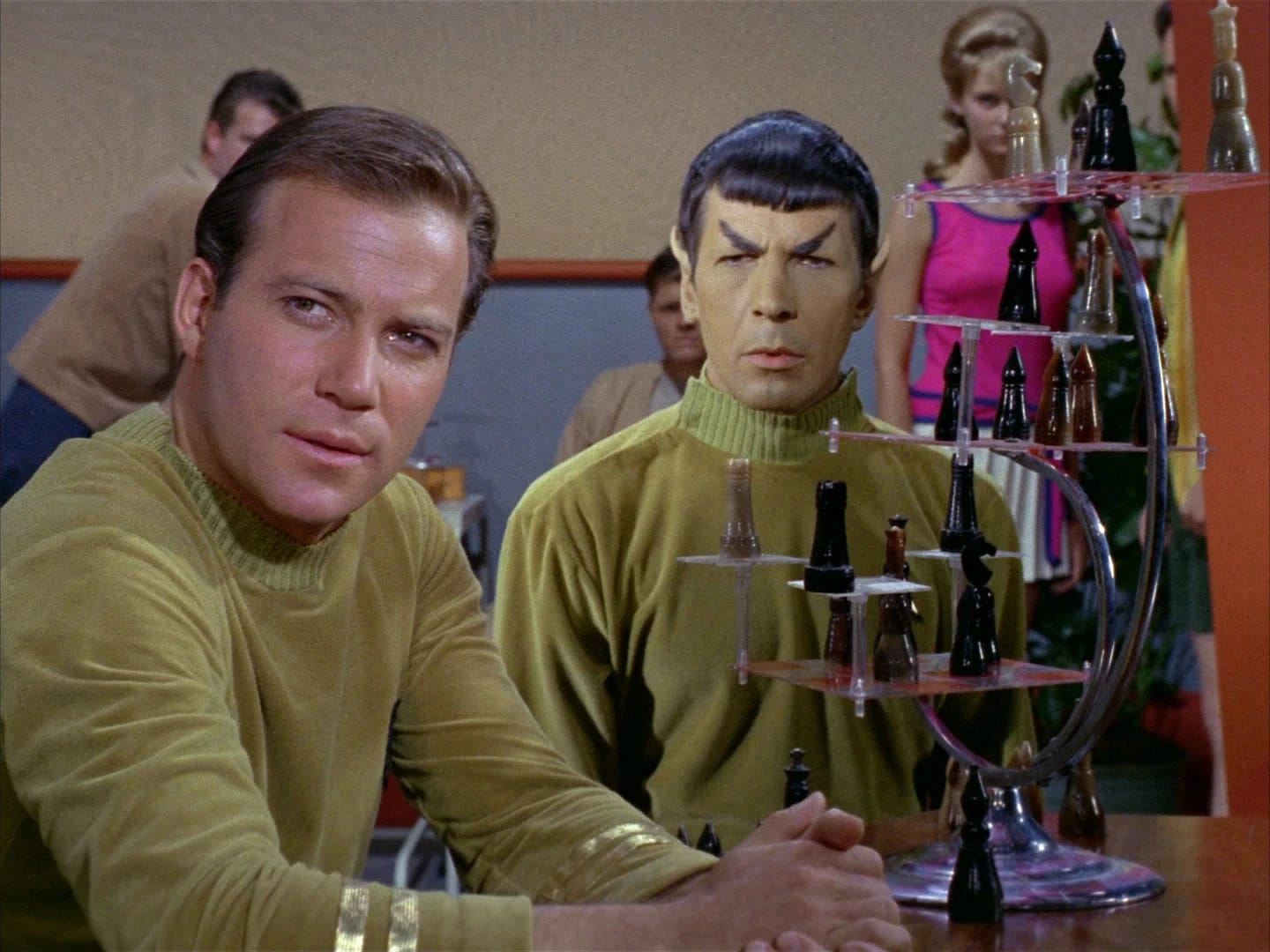
And sometimes I look at other little kids doing the same things I used to do, and it just seems cute. I wish I could tell my past self that adults laugh because you did a silly little kid thing and not because you’re a shameful embarrassment who needs to internalise the “right” way.
And I wish I would internalise that it’s okay to breathe sometimes and follow your body, be creative, and do something different. I’m always trying to force maturity out of myself because it’s the “right” way or the “best” way. I don’t leave much room inside myself for mistakes. “Mature adult” is not a standard. It’s a stage in life I don’t need to be in yet.
My problem since I’ve been a kid is that I can see the perfect way in my head. But I can’t always achieve it.
I can see how I’d do some parts of this project, if I was an expert. I would talk about … I can feel it inside but I can’t phrase it. I would talk about how that threshold might get lower over time. Maybe something could decline over time and the neurons would have a harder time… getting over the edge? I would say something about fluidity or something. I don’t even know. I just can’t get all the way there. It’s like a very dim light over the horizon that I can recognise but I can’t make it out well enough so I just strain my eyes and curse the quality of my eyesight. But it’s not my eyesight. I’m just too far away. I can feel in my body how someone with a lot of knowledge would say it. But I just can’t say it. It’s uncomfortable.
I just want to make this whole project go away sometimes. It was meant to take away my questions but it opened like 6 more boxes in the meantime.
Another aspect of my personality that I’ve recently discovered is that while a task is unfinished, I will obsess over it. I like to play a video game called “My Time at Portia” where you’re meant to do all these little farm tasks. I love it and it’s so relaxing but I don’t go out and explore enough of the really cool video game world because I’m so bothered by the lingering tasks on the side. Finishing the dee dee transport system. Fixing McDonald’s stable. Beating the Civil Corps in a sparring match. I just want to close them out. The problem is that the game is designed to keep giving you tasks so that you never get bored or feel unmotivated. Torture.
So imagine how I feel right now. I was just supposed to be looking for dissociative amnesia. Then I thought, “Okay, I’ll make a brief side mention about this low ACh thing”. Now I find like 3 other problems to keep me awake at night…. NOOOOOOOOO. That’s how science works, isn’t it? TORTURE. Horrible, horrible torture. All these tasks…. All these unclosed boxes… I guess it’s made to keep you busy for a lifetime. That’s the point of a career at the end of the day.
Tuesday’s adulting session began after a long day of studying.
I made an arepa as a snack and decided to spend some time updating my savings and debt tracker. I’ve been saving money for some upcoming trips in a cash binder but I wanted a record of how much I had because it’s been getting hard to count.
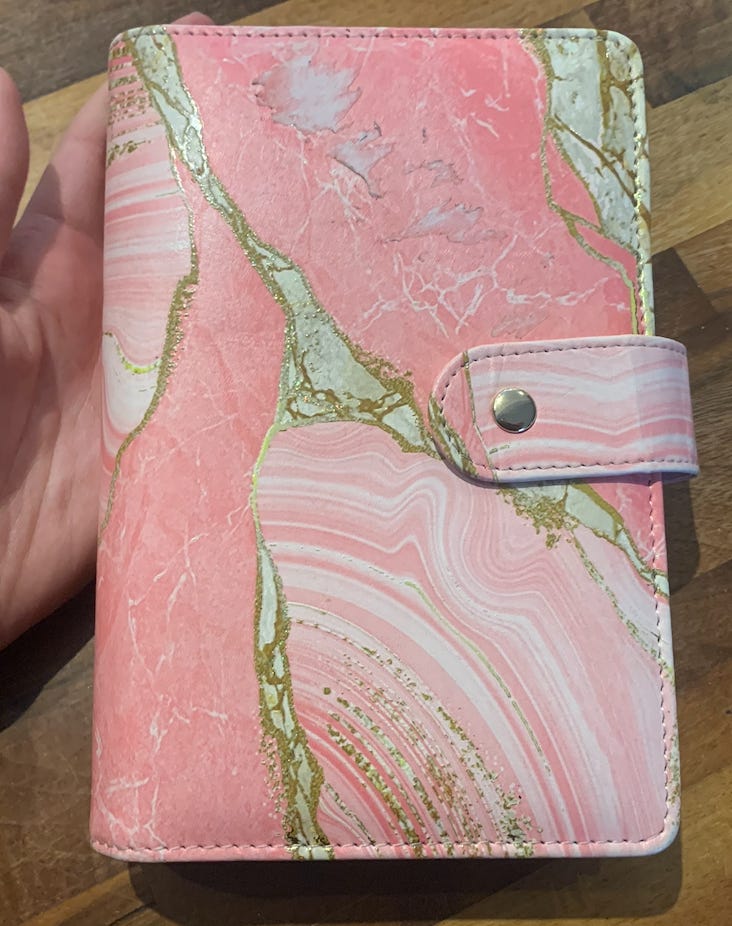
I also decided last week that my end-of-summer financial goal was to open a more “official” bank account than my starter expat Monzo and Revolut accounts, as well as open my first credit card. In the meantime, I’ve been hoping to build up some more transparency with my money by looking at it more.
I spent some time exploring my budgeting sheet and getting comfortable with it. I use a budgeting sheet from a big spreadsheet bundle I purchased on Etsy from PrioriDigitalStudio. It was a one time purchase for a lot of spreadsheets I needed because I absolutely suck at making spreadsheets. Even if I don’t use it every month, it’s something that will grow with me on my adulting journey. One less thing to worry about and I can always jump right in instead of wasting time making a new thing.
I gave my GCal another update, which has been a lifesaver recently, and gave the kitchen and bedroom a little clean. I’ve been continuing to read a chapter of “I Will Teach You To Be Rich” per week. This week’s chapter is on bank accounts.
My friend from last week who was struggling ended up calling me in the midst of this and told me she was okay which was a massive weight off. I had actually been affirming that God was with her and when she called me, she told me the exact words “God was really with me” which was a cute synchronicity :)
She told me they had given her a shot at the hospital and sent her on her way with one night at a hotel because her mental illness had upended her work, her housing, and her relationships. I bought her a ticket to New York City where she was going to go back to being homeless, unfortunately.
The lack of infrastructure we build for people with mental health struggles is honestly extremely sad to me. I remember just how many people on the streets in NYC were clearly struggling with a mental health disorder of some kind. When people hear “end homelessness”, they often imagine that we would just buy everyone a home. No, ending homelessness means putting money and time into helping people navigate their serious mental illnesses so they can get the support they need. It means better mental healthcare, more research, and more information for the general public so they understand how to navigate their loved ones and people they encounter in public. Nobody should be sleeping on the street when they need to be getting relaxation time in, recovering, and getting back on their feet.
While I’ve been reflecting on childhood anxieties my project has mirrored back to me, this task has also made my inner child very happy. When I was younger, I wanted to be everything under the sun, but mostly an inventor. Then in middle school, I wanted to be an engineer until about the 7th grade. Unfortunately, I determined I was not the best at math and abandoned all STEM desires. But as a kid, I was actually motivated more towards STEM jobs than anything.
I loved books about independent kids surviving life alone and solving big problems. One of my favourite series was “The Mysterious Benedict Society”, a set of stories about elementary aged children who passed a strange test to enter a society that solved secret missions.
My favourite part was when they took the test to get in, which was this convoluted logic puzzle. I will never forget my satisfaction when I learned that the main character passed the test by realising that the answers to the insane, highly niche trivia questions were buried in other questions and all he had to do was find the correlating ones. Then there was another character who was just so bookish that he knew the answers to these questions off the top of his head. He didn’t even realise the trick. Lastly, there was the girl who was not particularly book smart but very life smart and resourceful. I think doing this insane project has captured the same type of excitement as I find all the hidden little surprises in my model that unlock different problems.

Then there was “The Series of Unfortunate Events” which also featured precocious orphans on a mission requiring their unique problem solving skills to escape the evil Count Olaf. I think all kids love precocious orphans because they like to think they’d do a great job if they had to fend for themselves in the real world. In a funny way, being a survivor and having to use all of my logic to outwit my own “enemy”, even just emotionally, has given me the thrill of my own Count Olaf. I had never really faced a villain before that way. I didn’t even know they existed outside of movies and weird children’s books.
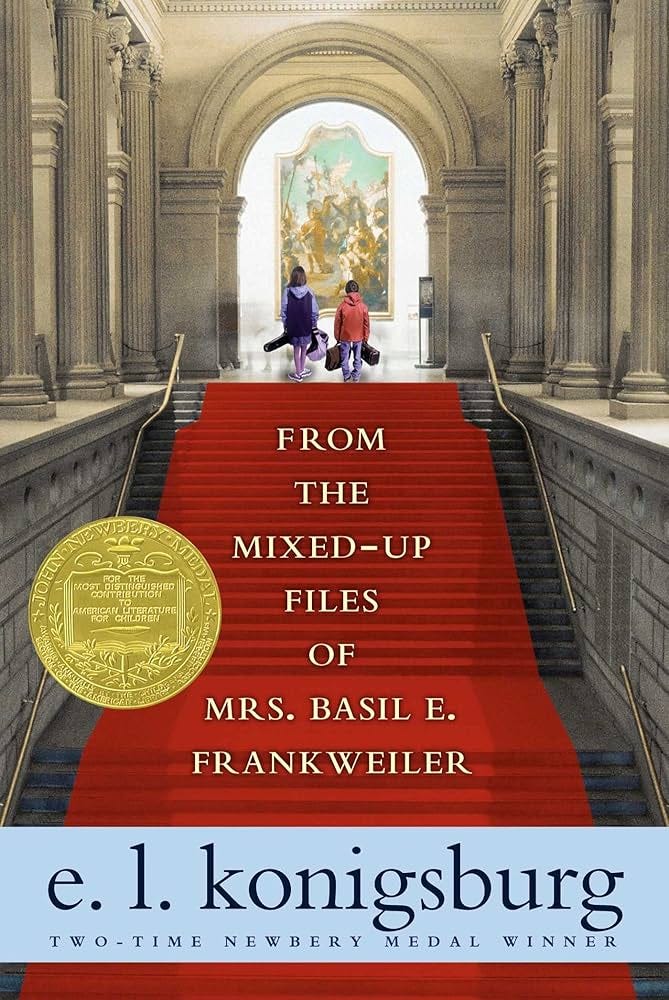
Lastly, I loved “From the Mixed Up Files of Mrs. Basil E. Frankweiler”. It’s about a girl and her brother who run away from home to New York City, and sneakily live in the Met. They sleep in the exhibit beds at night when no one is there and had to organize all the little details to survive New York.
And “The Boxcar Children” series about a group of orphans who lived in a boxcar. Running off to London on a whim and volunteering at a hostel gave me the same independent child runaway feeling, I think. It was definitely an adventure.

Despite my exam anxiety, I ended up leaving my final exam an hour early feeling relatively good about what I had written.
In one essay on multifinality, which in this context refers to how one person’s disorder can manifest differently in different contexts, I wrote about one of my favourite anecdotes in psychopathology which is not particularly famous but I think about it all the time. The paper is called, “Can the DSM-5 differentiate between nonpathological possession and dissociative identity disorder? A case study from an Afro-Brazilian religion”, which was a text I read for my undergraduate thesis as a comparative literature and societies student. It’s about a Brazilian woman named Don Sara who struggled with dissociative episodes since childhood where she felt as if spirits were entering her body and she was receiving intuitions from them. She once intuited through one of these episodes, for example, that her elderly neighbour would die and he passed very soon after. Don Sara was not inherently bothered by these episodes. In fact, she said they felt good to her. But her traditional, Catholic family was extremely troubled by her episodes. They wanted her to stop them, and even went after an exorcist to try to get rid of them. The researchers in this paper stated that if she had spoken to a clinician at that point, she would have likely been eligible for a Possession Trance Disorder diagnosis, which is a rarer form of Dissociative Identity Disorder in which one feels as if they are being possessed by a different entity.
But in adulthood, Don Sara joined the Afro-Brazilian religion Umbanda, which prominently features possession trance rituals as a central element. Practitioners of Umbanda actually seek out people with Don Sara’s qualities, seeing them as a gift. After joining Umbanda, she learned to harness these qualities and even became a prominent leader, passing the wisdom from these states on to her community. The researchers stated that by this point, she would no longer be eligible for a Possession Trance Disorder diagnosis, even though she still entered those dissociative states, because she was not feeling bothered nor was her community feeling bothered by the qualities.
I think her case is so powerful and says so much about sickness and how it coincides with our environment. Illness is not a stagnant entity. It exists in conjunction with our outside world. Sometimes sick in one place is healthy in another. Sometimes it’s not us that needs to change but the space and people around us.
What I also discussed in my undergraduate thesis was how sometimes we feel like psychology or medicine is the end all be all but other cultures cultivate their own spaces that facilitate healing and those are no less valid or lesser-than just because they don’t fit a Western framework. Teaching Don Sara how to diminish her dissociative states and sticking her in EMDR for 6 months might not have done anywhere near as much for her as giving her somewhere to embrace and respect these states that she felt no ill feeling towards. Psychology is one extremely powerful framework of understanding… but it is a framework of understanding. It is not the only existing truth on how to relate to illness.
I walked out thinking about that concept in my own life. A lot of things that seemed wrong in one place in my life felt good in another. My intense need to produce correct answers felt bad as a child and good in this project. My obsessiveness felt bad in my love life and good in my academic career. My weird rambly desire to talk about disorders and how brains work made me feel like I was maybe a touch psychotic when I was an undegrad doing comparative literature. But now it feels like I’m in just the right place. If I had tried to make my career path fit a more “sensical” outcome and had suppressed my growing interest rather than following my “nonsensical” whims to go after neuroscience, I might have felt lost for a very long time even if I was on the “normal” path.
What I was wasn’t bad; it just needed to be contextualized.
After my final, I decided to stop giving af about this project for a while and focus on me. What am I in a rush for? I’m already months ahead of my deadline.
So I took some time to do the fun stuff I like to do in my downtime when I’m not running around like a chicken with its head cut off, which are usually crafting and cooking.
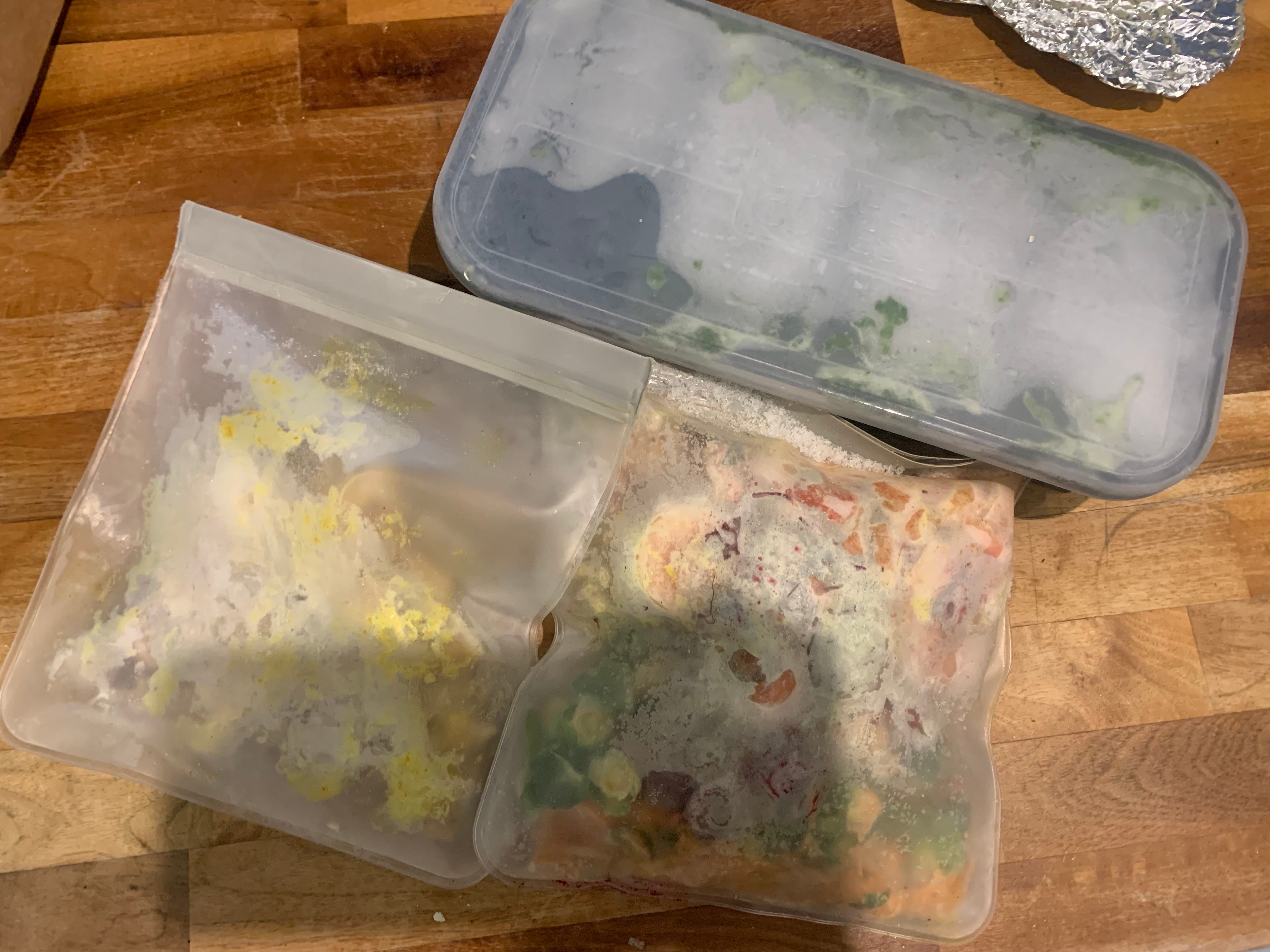
Since I’ve started my weekly adulting sessions, I’ve been thinking more about my financial setup and my future throughout the week. This week, I started thinking about my budgeting setup (I’m a little early — I think “conscious spending” is in like 3 chapters). Previous attempts at budgeting have fallen off either because:
a) my job situation got a shake up and I got overwhelmed or,
b) it was too many little numbers to keep track of and it got tedious for me to write down all the little snack runs and things I did in the week.
I’m hoping my book will save me somehow but we’ll see. Until then, this summer I’m going to go back to my money binder, as previously mentioned. I love this thing. It’s one of those things you spend £10 on and you don’t always use it but it always serves a purpose and is always there for you. I saved for my first apartment deposit, my move to London, and moving my cat here in this thing. My first craft was getting it a little more cutesy.
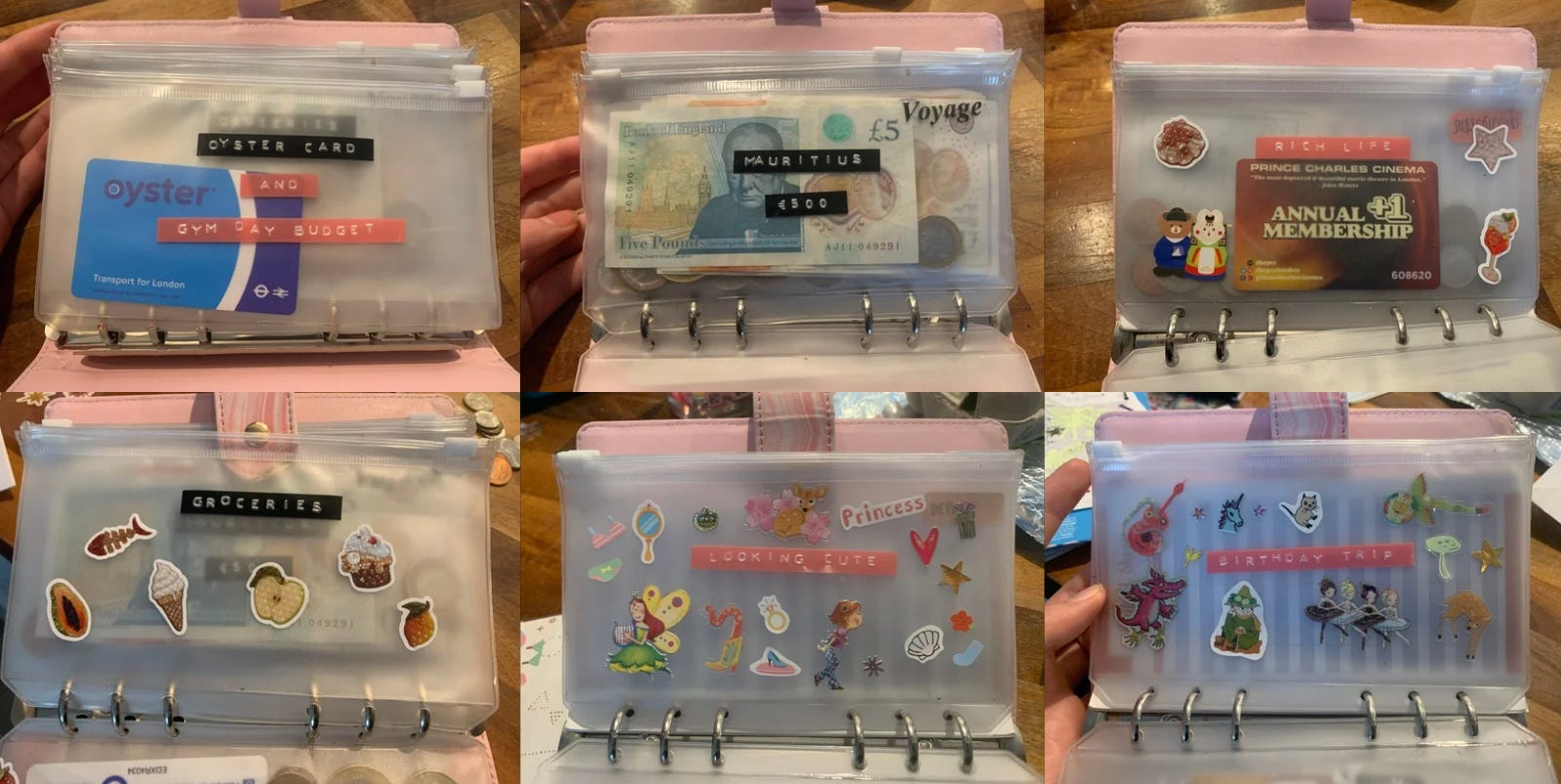
It’s not going to be everyone’s cup of tea. I don’t use it for everything because it can be a hassle to manage the cash and all the little coins. A card is a lot less work. But in chunks of time where it makes sense for my life, it works really well for me because it’s a visual reminder that the money stack is getting fatter. I like to open it and just look at it. The physicality works well for my object impermanence-esque brain. So this summer I want to try the opposite approach to my typical budgeting tactic and dole out the money for my minor spendings along with the savings I was already stacking up for my trips. I want to see if I makes it easier to realise I’m going over budget and maybe that will make the cutoff feel more intuitive to me.
Meanwhile, I’m going to “optimise the accounts” and all the other fancy adult stuff I’m supposed to do according to “IWT” in preparation for getting my first credit card by this fall.
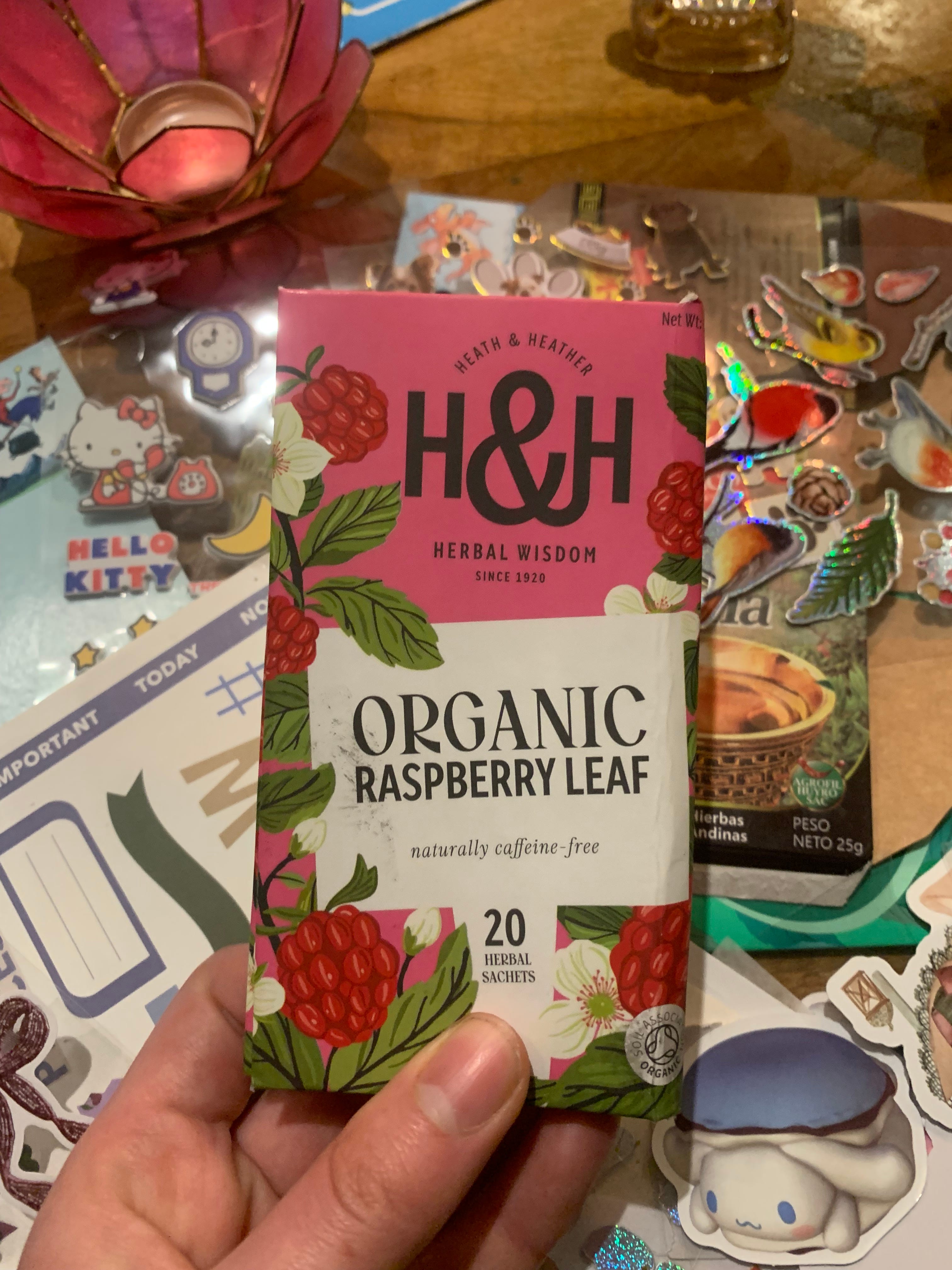
The rest of my night was spent crafting away with all my little bits and bobs I’d saved over time. I’d been looking forward to making tea box notebooks for a long time which ended up really fun and got my creativity flowing.
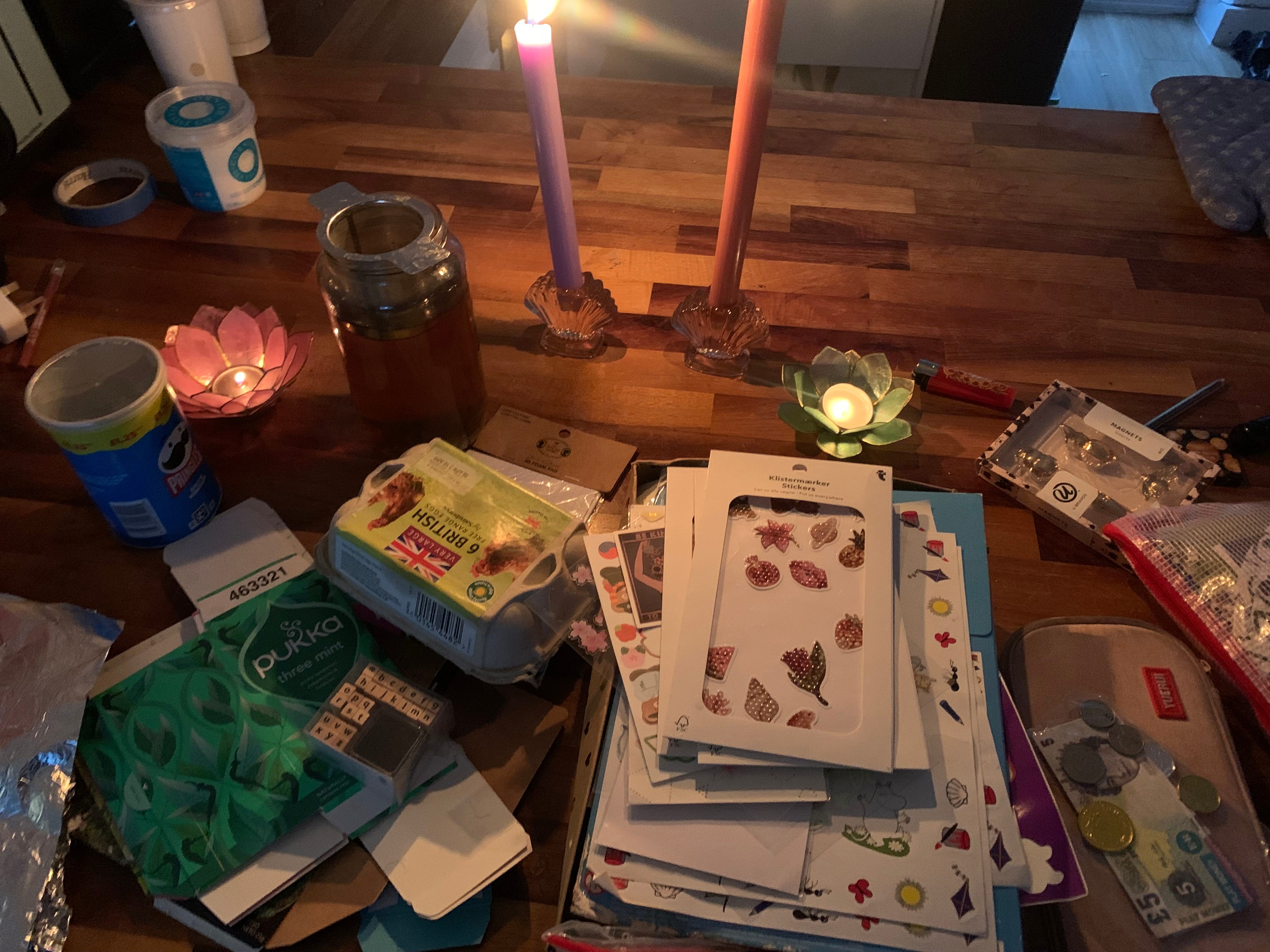
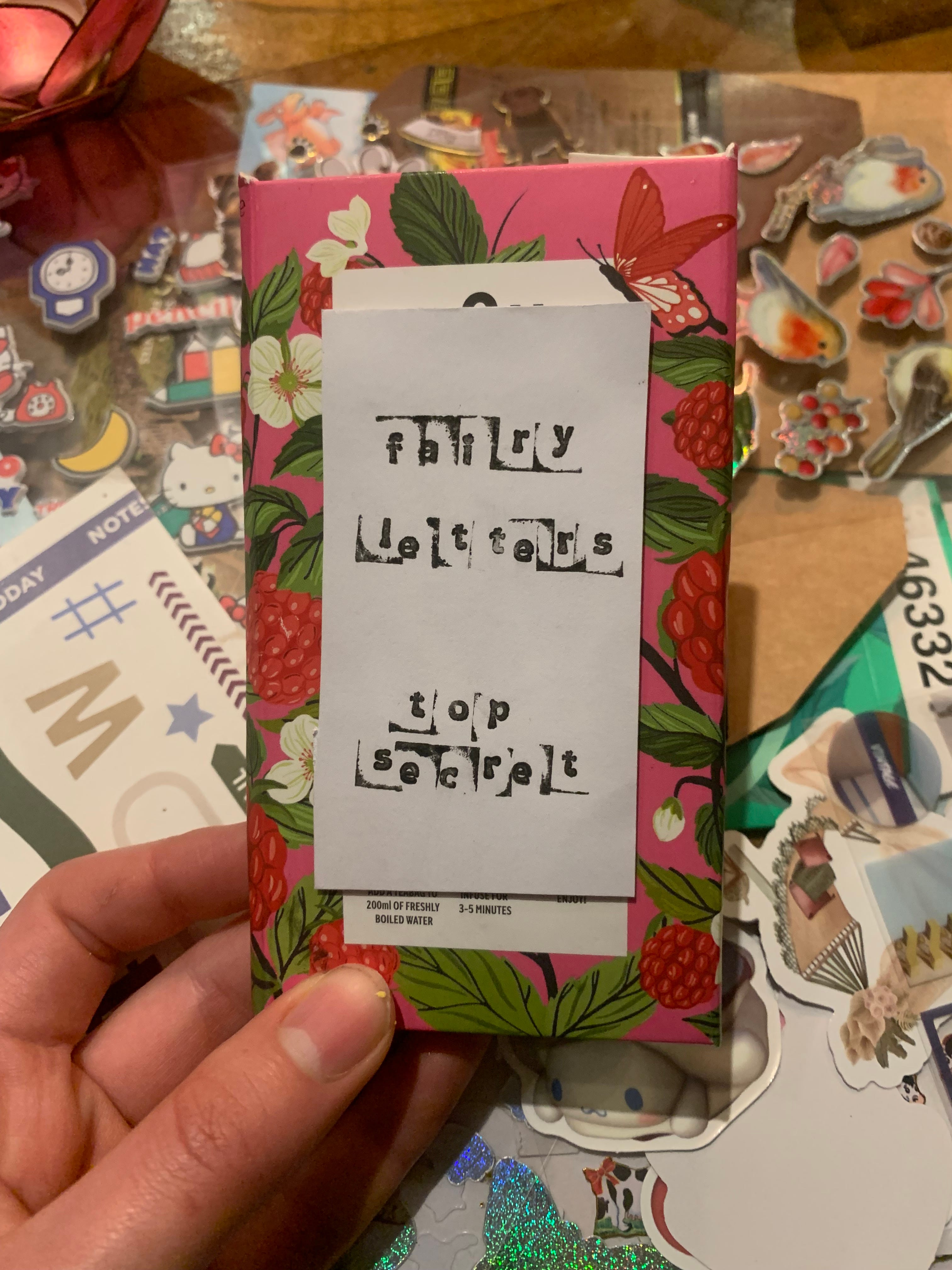
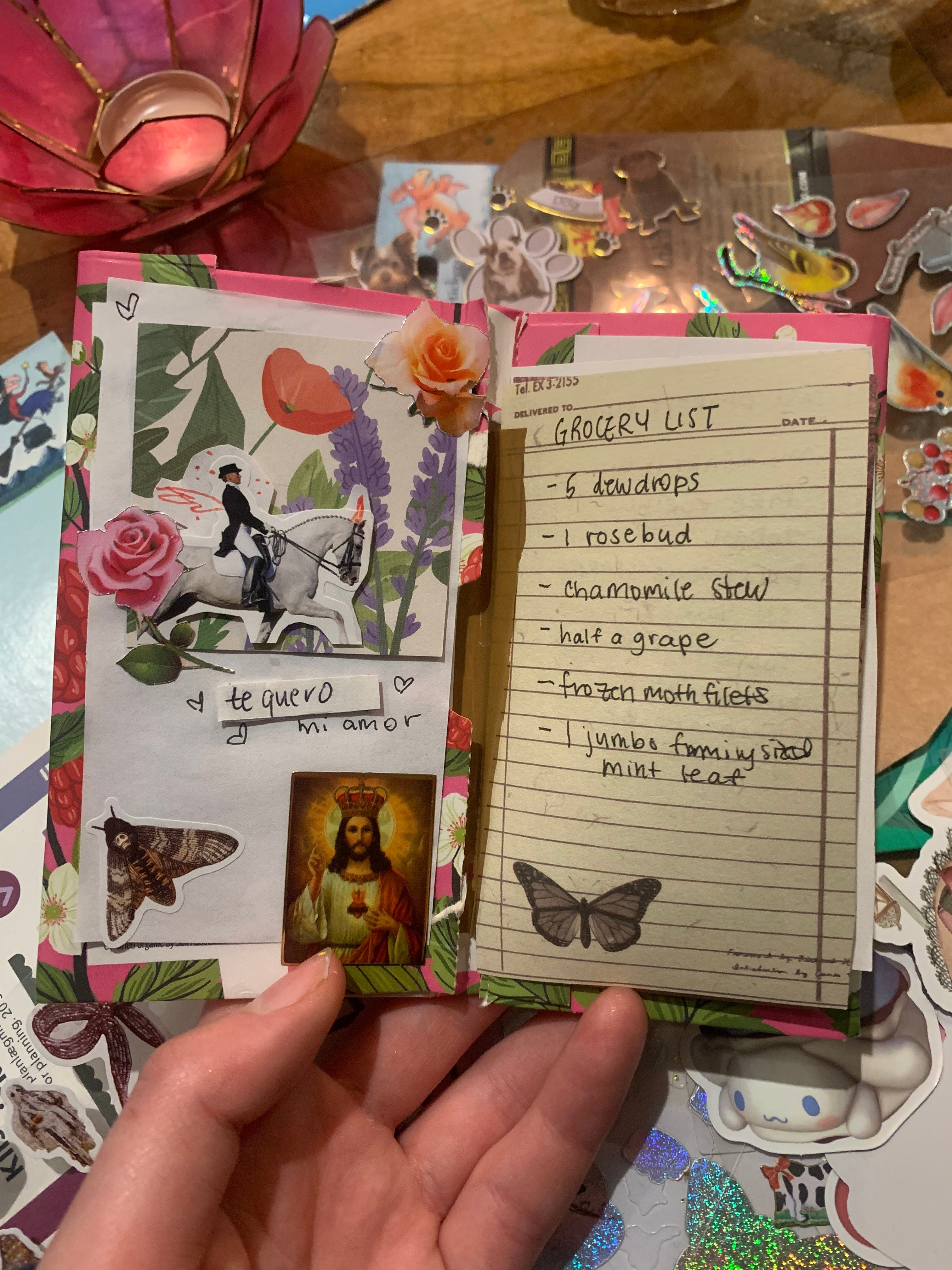
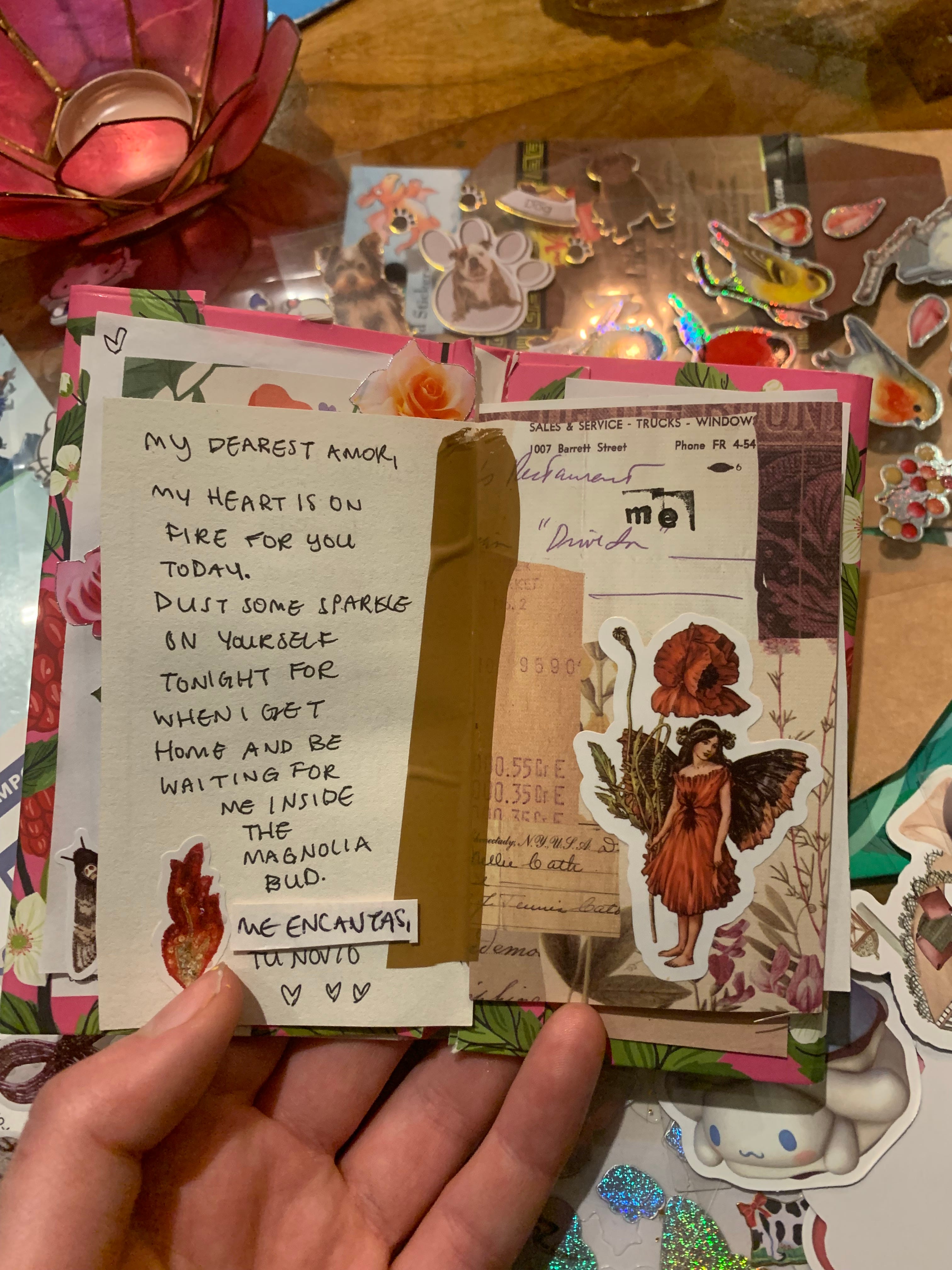
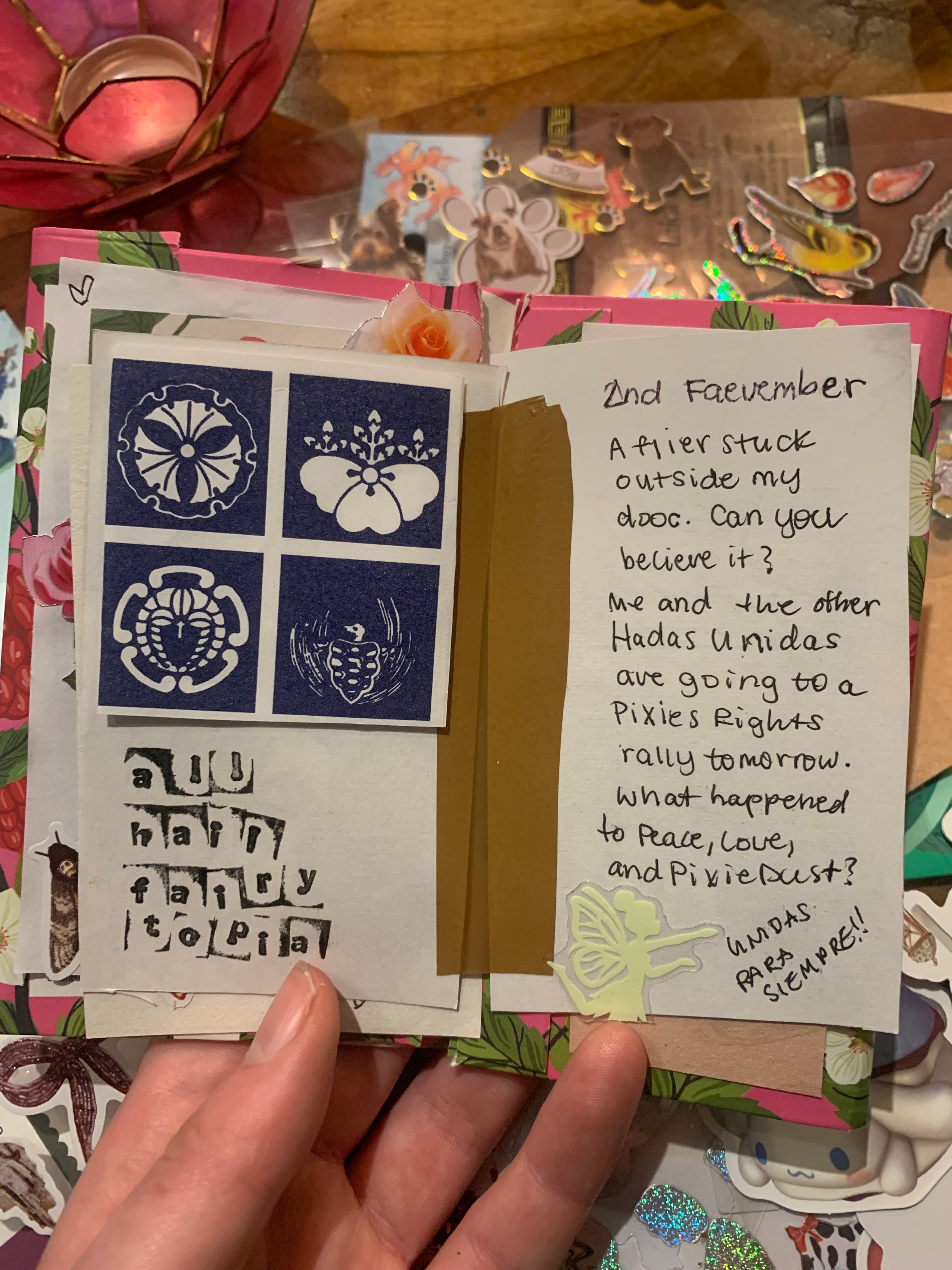
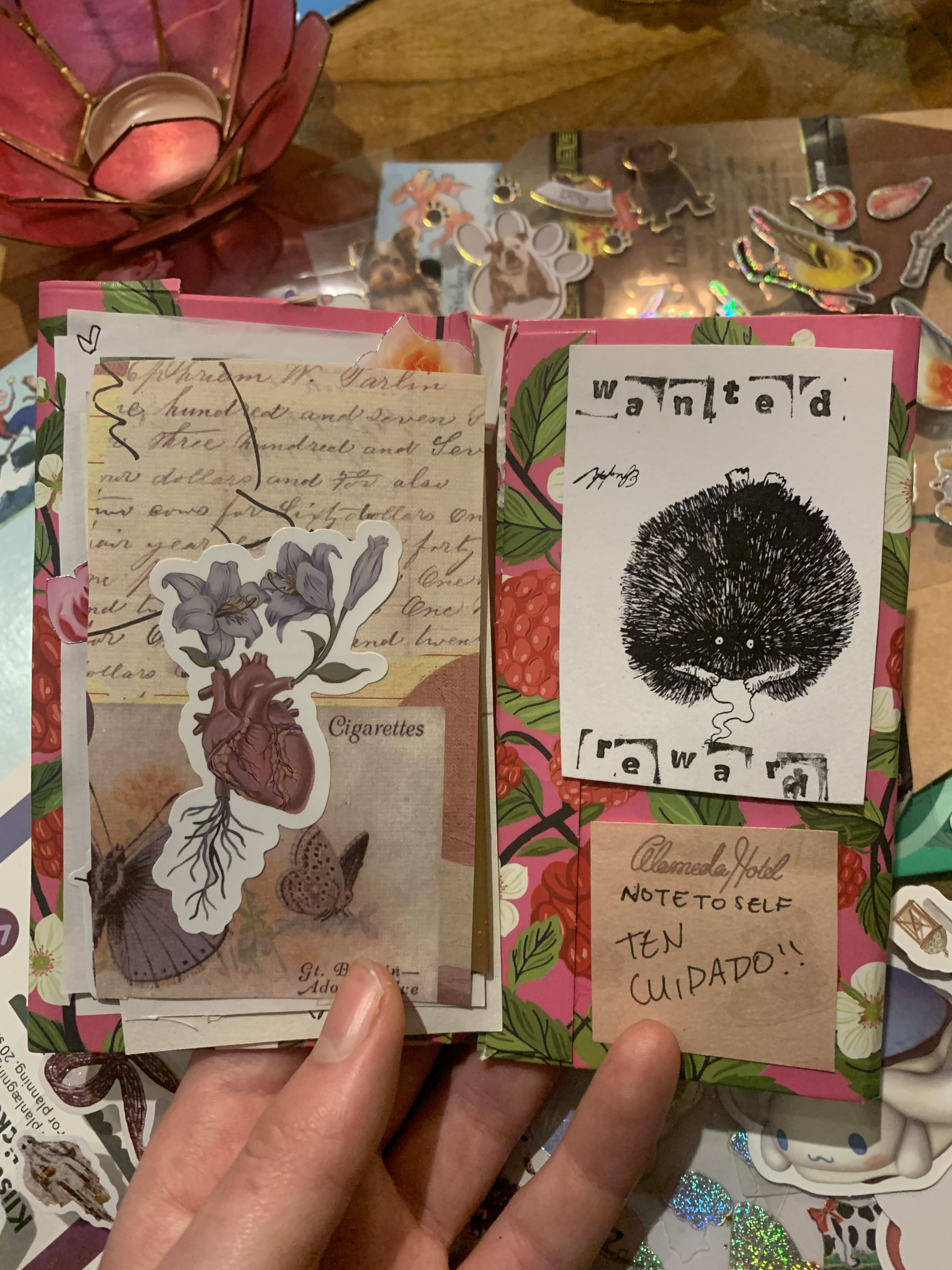
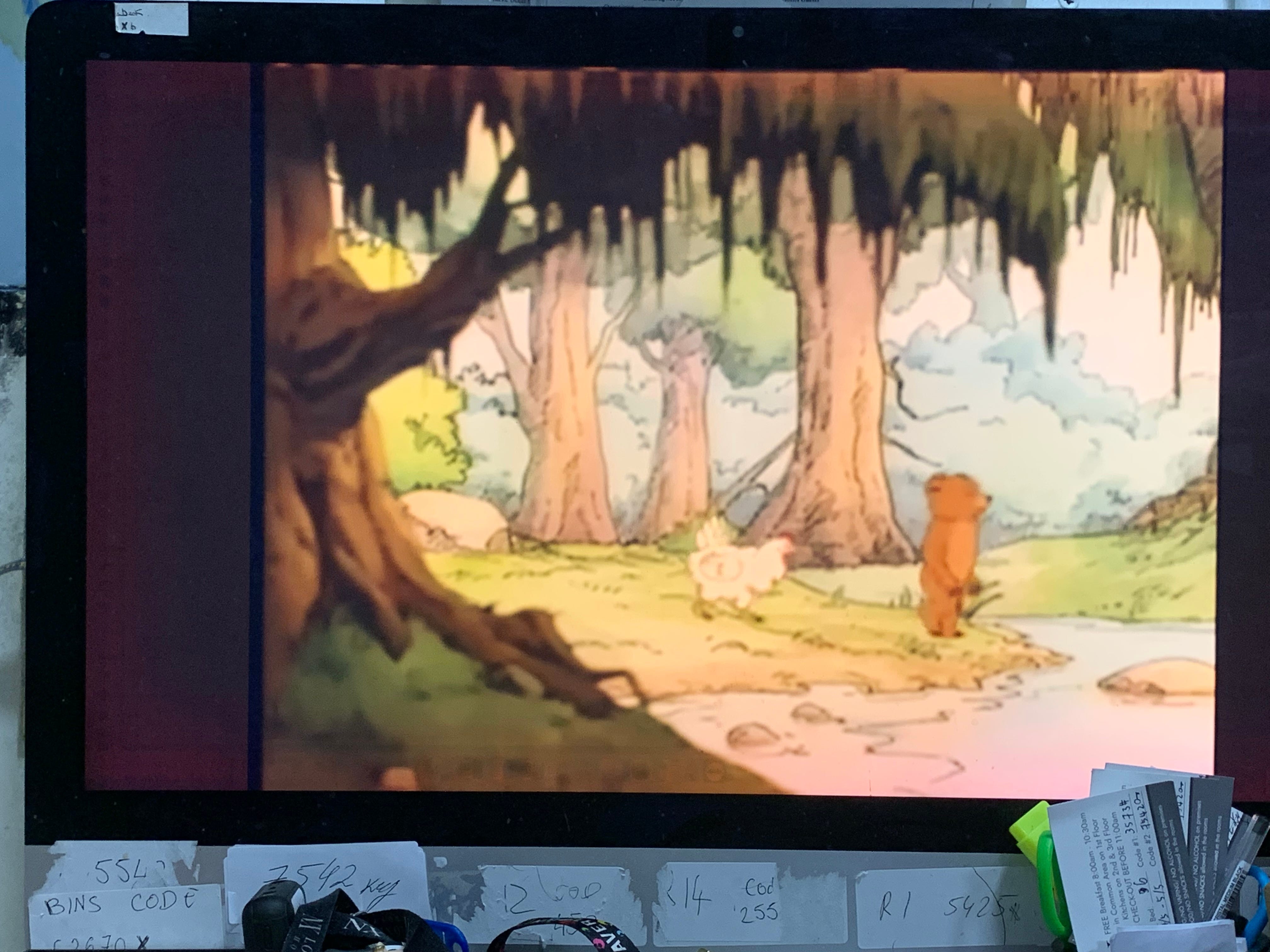
Thursday was also spent completely ignoring my project. I spent the day watching Dr. Seuss movies and doing my remote job from bed. My main “manifestation” recently has been a trip to Universal Studios. I don’t know why I’ve gotten randomly fixated on it this year. I think it’s just a very lighthearted and youthful thing to do in comparison to the heaviness of this year’s very adult activities. When I’m sad or bored at work, I watch videos of Universal Studios. I planned all the friends I would bring, what activities we would do, even what I would pack in my bag. I’ve gotten bored of vlogs so I decided to watch the movies I haven’t seen from the theme park in a while. On Thursday, I watched “Horton Hears A Who” and “The Cat in The Hat”.
I forgot how funny “Horton Hears A Who” is. But one character… the most irritating, rancid Karen to ever exist.
Constantly up in Horton’s business along with everybody in the city… Like why do you ever care??? I’m not even joking, I was actually getting heated every time she popped up on screen.
That’s it, there’s no smart reflection about it. I just needed an outlet to express my rage towards this kangaroo woman.
I tried to work on my sparsely coded network again on Thursday night but I realized that my surface level solution, which was changing the sparsity amount in my pre-existing rule that was being modulated by a, was actually distorting what was being encoded, meaning I had to do much deeper work to make sure I got my experiment sorted. So I just gave up again. I think this week might just not be the week for me.
I’ve been getting more into the world of Jelinek’s male protagonist, Klemmer, this week. By modern standards, Erika would be considered a rapist as Klemmer is underage and cannot consent, not to mention the power imbalance with him being a student. It’s a complex question, but I’ve been wondering if that phrase would really be Jelinek’s intention. I can tell as the story plays out that she is very clearly trying to represent Klemmer’s dangerous position and the immorality of Erika’s acceptance of his affections. I guess I’ve just wondered if the word “rapist” was in Jelinek’s mind in the 80s or if that’s a word we would attribute more freely and in a more informed way today.
The narration is a little bit of everyone, which flips my perception around from time to time. It is Erika and Klemmer and Jelinek at once. So it’s hard to say, for example, when Klemmer is referred to as “the grown-up student”, which perspective that wording is coming from — whether Jelinek is calling him a grown-up or whether Klemmer is referring to himself that way. It feels intentional to have made him not 21, or 18, but 17. This is not just an age gap relationship. It’s uncomfortable. And later, Jelinek’s voices seems to intercede and specifically reference Klemmer’s inexperience and inability to understand his position.
What makes the story a touch complex, but no less aware of the predatory nature of Erika’s position, is that Klemmer has a crush on the teacher and is dead set on having a relationship with her. It reminds me of what they say about there being no such thing as a “perfect” victim. People imagine “normal” rape cases as situations where somebody was extremely negative and openly expressed loud lack of consent, while the aggressor is loudly ignoring your verbal dissent. But rape is complex. I think many survivors have some type of guilt in their mind about something they feel made them in some way implicated. Among many such thought processes within myself about my own traumatic experience, my thing I personally beat myself up for was why on Earth I would think to sleep in a man’s room, even if he was my friend. Obviously that was still his choice to rape me and I should have been safe no matter what but it’s one of those questions people ask you. Why would I not be as cautious as possible?
Sometimes rape happens in really complex overlaps of relationship dynamics. Some people feel coerced so technically they verbally consented but it was because they were uncomfortable. Or people go home with someone they want to be with but they didn’t agree to everything that was done.
Just because Klemmer has a crush on Erika and has the desire to be with her, doesn’t make it not rape. Or at least, I think that will make itself obviously clear as the story goes on. He’s a young man who has been sold that he has the upper hand in his relationships just by wanting someone and being a man. He’s not old enough to really understand, I personally think and the narrator agrees, that he is getting in over his head and Erika should not want him at all. He doesn’t see that. He has been sold a fetishised image of what a relationship with an older woman will be where he stays firmly in control of himself from beginning to end.
As a side note, I can’t imagine liking somebody so much younger, from an older man or woman’s perspective. By the time I was in my third year of college, I would look at boys in their first year and they looked like little children to me, like siblings to protect. They looked awkward and fresh out of the high school womb. That’s how I’ve been imagining Klemmer, a boy with a sort of over-eager face, maybe even some acne or something. A high school boy through and through. Whether or not 17 was considered an adult back then, I do think that image adds context to the situation and the author makes sure to highlight his light hearted eagerness to emphasise his boyishness.
Personally, I even see older men who date girls in their early 20s and I think, “What on Earth do they talk about?” It’s a little sick to me, but maybe that’s just my biased perspective. Now that I’ve been in my early 20s, it’s hard not to see kids my age as babies. Even my sister who is three years younger than me gives me a lot of perspective. When you’re that age, you feel so old. As she hit the age that I was going through my own traumatic period, I would look at her and it would show me the type of weight I put on myself back then. She was still a little kid to me and also just learning to figure out the world. She didn’t always choose the most optimally safe decision in the world. She was exploring life too. What happened to me was really just chance. People get into situations I was in all the time in their first year of college and make it out okay. They have friendships with people that are loaded with red flags. They go to dubious places or drink too much or whatever. I was a little kid too trying to figure out college. I wasn’t uniquely naive and neither is Klemmer.
Seventeen to nineteen is a lot younger than we give it credit for, even if it’s considered “adult”. When you get to be that age, a lot more is technically considered “okay” or “consensual”. Doesn’t mean it’s not still predatory, if you really look at it from a mature perspective.
Going back to the narration, the voice in “The Piano Teacher” is one of the main things I’ve been sitting with. It’s hard to tell who thinks or says what. There’s no dialogue. It’s just all written very loose and free form. At times I think I’m hearing some truth about society and it turns out it’s just Erika speaking in an authoritative way. I think that adds this nebulous sense of authority to Erika’s perspective at times. A narrator is meant to be a distant voice of truth. But when you can’t tell if the narrator is speaking or the morally complex main character, it adds a sense of truthfulness to her perspective that it not entirely warranted. It’s hard to determine reality from opinion. I find it very interesting in contrast to Nabokov’s “Lolita”, as I mentioned a few reflections ago, where Humbert Humbert narrates his story and you are immersed in his emotions as an unreliable narrator. But Jelinek somehow has both a truthful narrator and an unreliable narrator you can’t tell well apart.
It’s like how Erika is this deity like “SHE” or “HER”, always capitalized. Her perspective is weirdly deified through this unique literary choice. If the narrator is usually like the God viewpoint of literature, some person sitting in the clouds and recounting a tale, Jelinek makes it hard to distinguish between HER and God. I would go so far as to say that Erika has the same confusion herself, actually. She speaks with elevated authority over the world like she herself is God.
Anyways, I feel sad for Klemmer because he’s a romantic. Bad things always happen to romantics. Thats been my experience, at least.
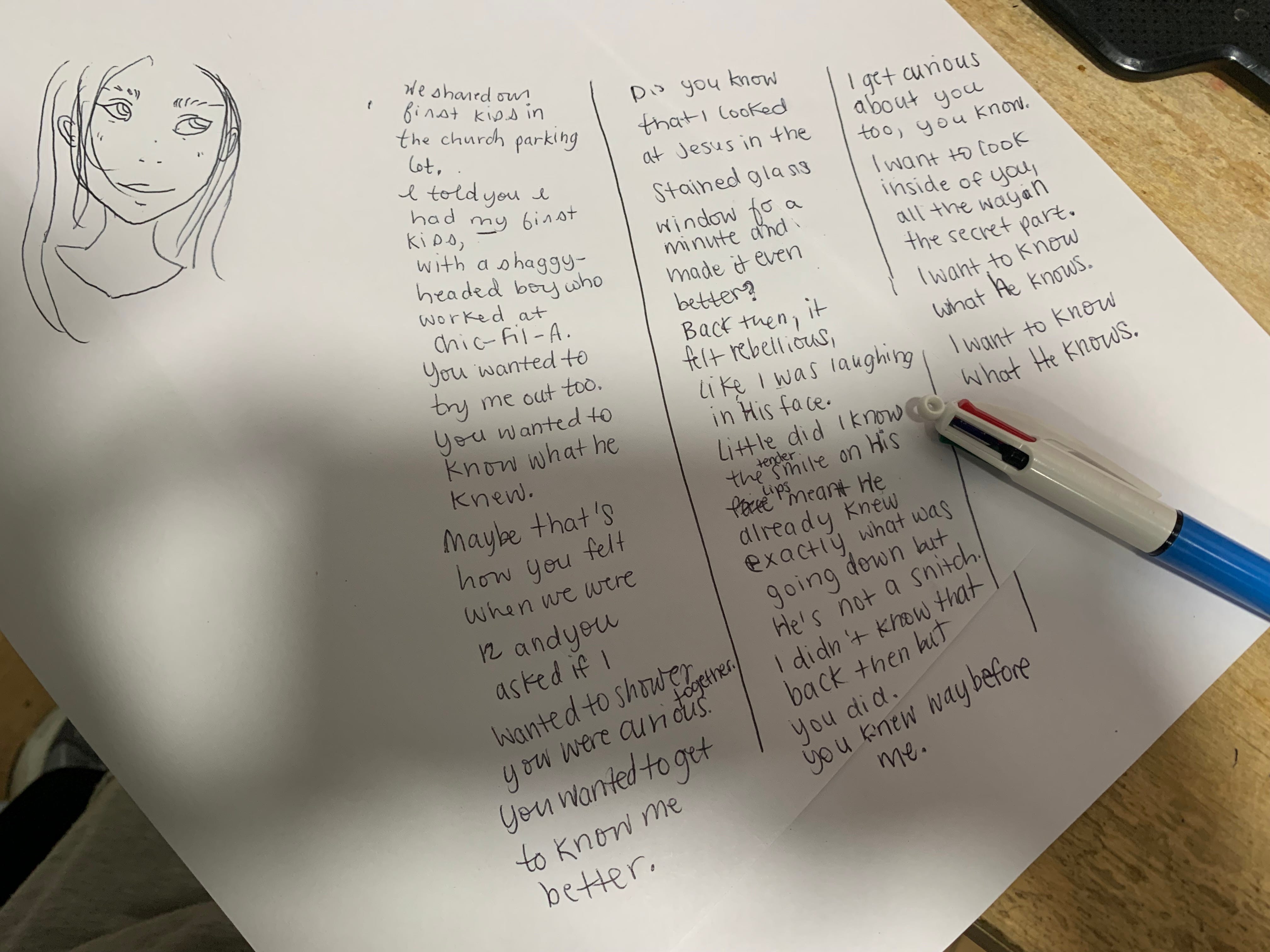
It makes me think of poor, doomed Pisceans. Pisces is the house of delusion, fantasy, spirituality, and the subconscious mind. Pisces are the tortured artists of the Zodiac. They are some of the most romantic people. They’ll get lost in all kinds of fantasies and daydreams about the people they love, write poems for them, make art of them. It’s a good sign for a poet or an artist. Unfortunately, they’re also associated with traumas and addictions. Lots of Pisces struggle with getting addicted to their partner or to substances like alcohol and drugs. Joni Mitchell is one of my favorite poets/singers and she has a Pisces moon, which by astrological defintion, means she processes her emotions like a Pisces does. You can hear that really deep quality to her that is always rooting through her underlying experiences and interrelating them with how she views love.
(Some particularly Piscean Joni Mitchell love songs. Pisces always have trouble finding where they end and their vices begin, including partners.)
I have a Leo Venus, which is meant to make me bold and glamorous and artistic in love and beauty. But that stupid sign is in my 12th house, the Pisces house. Unfortunately, that makes it afflicted, from an astrological perspective. Twelfth house venues have a very deep and sensitive relationship to love. I’ve never been a casual dater. I just can’t pretend to like someone at all. I want to love them. When I love someone, I’ll write them poems and love letters, I’ll pour hours into making them little art pieces. But my love life has been a little doomed so far. I used to always land in the most horrible unrequited love stories, most if which ended with a large separation or some horribly traumatic ending. Just my freaking luck. I’ve been quite cautious time time around to make sure I don’t romanticise some person with my artistic sensibilities just to have my heart crushed for no reason. It would not be the first time.
On the other hand, I’ve always felt like God was very nearby in my life. A 12th house Venus is a sign of spiritual love too. They’re meant to have a very spiritual relationship to love and many have soulmates. My spiritual journey has made up the most intense bulk of the last few years. I think God needed me to love Him first and foremost, then me, then someone.
Surviving what I did was awful for me because I had a very romantic attachment to my virginity as an 18 year old. I still do. I think that made me a source of victimisation that year, honestly. I was a bit at odds with my general environment, like a sore thumb. It makes me think of poor, innocent Klemmer who keeps talking about Erika falling in love with him. Being a romantic is rough.
On Sunday, I decided to have my own church day at home since I couldn’t make it to church on time.
I’ve been wanting to do some more immersion in my spirituality at home and devlop some more routines but I haven’t found content yet that I really resonate with. There are a lot of different types of Christians and thus a lot of different types of content out there. Sometimes modern-day worship music doesn’t really align with my music taste that much and it doesn’t make me feel that connected to my own relationship to God. I made my own playlist on Tidal with some unique choices that do make me feel spiritually attuned.
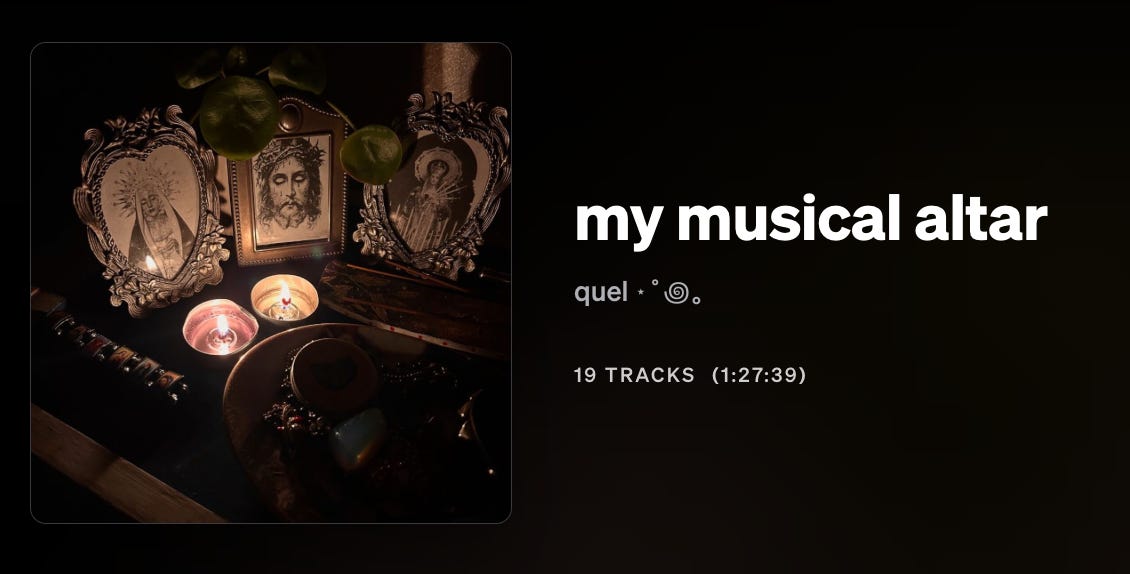
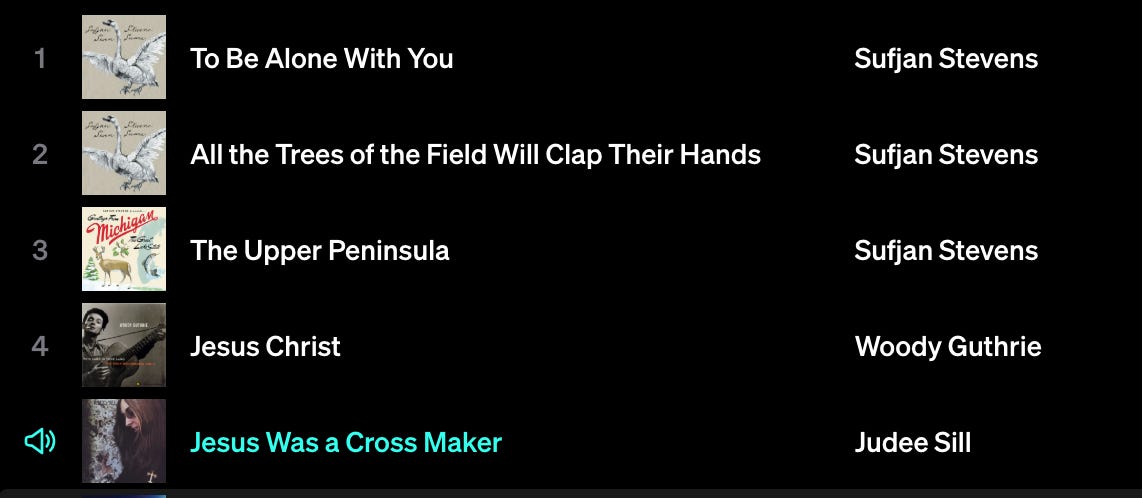
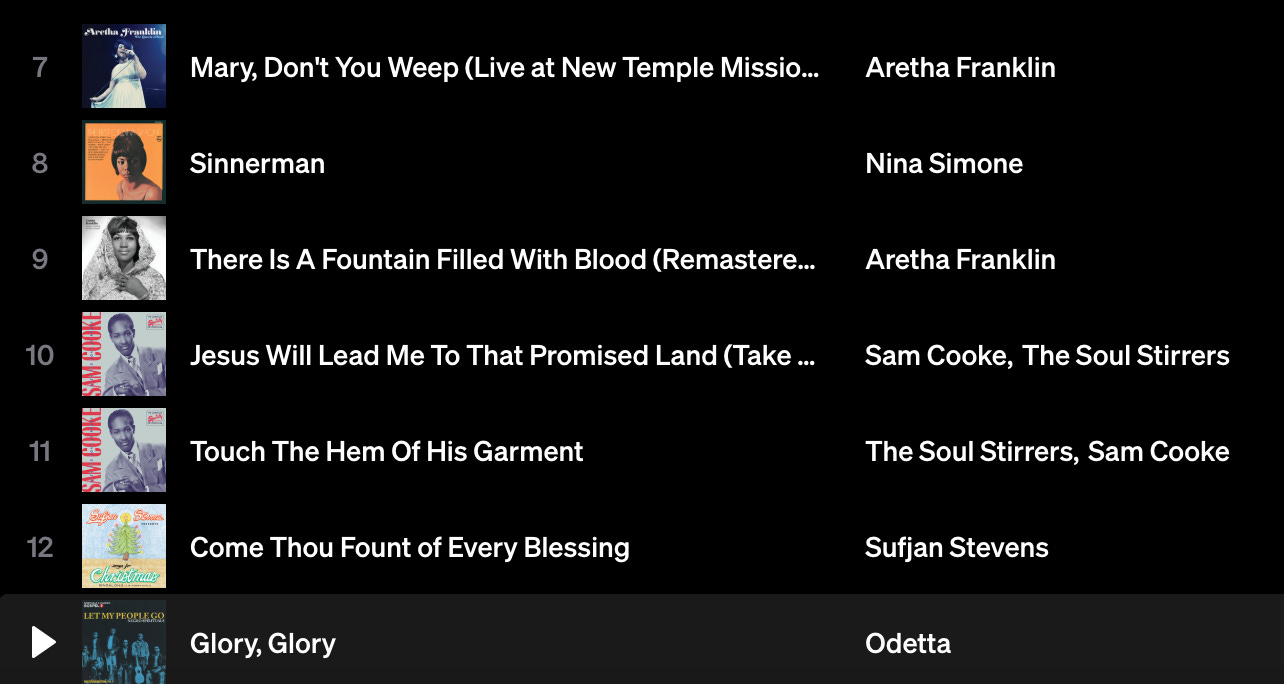
I’m an earthy and soulful person. I like things that have a “real” feeling to them and that feel transcendent. A lot of contemporary Christian content — the megachurches, the electronic, contemporary country — it’s just not how I relate to God very much. These are things I’ve read recently that made me feel spiritually connected:

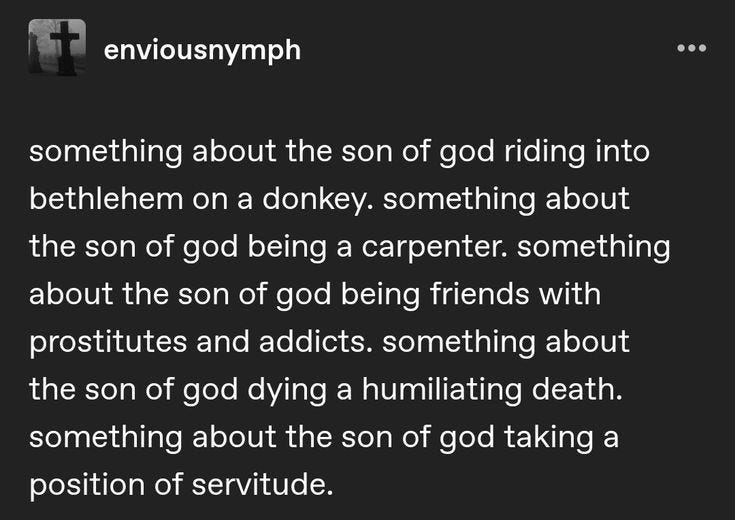
I love how mystical and mysterious God is. I love how impossible to understand He is in His entirety. That feels earthy to me. Maybe it’s because I converted from being more of a generally spiritual person but I still love those elements of God the most. That’s the first inkling or sense of God I ever knew. It was the seed of my spiritual life. I don’t like reducing Him too much to human restrictions and dichotomies like gender or political parties.
I love the poet Rumi. He’s one of my favourite poets ever. Rumi is not Christian but I wish I could find sermons that remind me of Rumi because I always feel so incredibly in tune with Rum’s perception. Here are some of my favourite poems by Rumi that I find really transcendent:
I was raised with Buddhist parents, and this poem is why I haven’t been able to let Buddhism out of my heart yet. The line “He has so completely dissolved his ego, nothing-ed himself, that what he says is like God taking to God” is just how I feel God and my path with Him. And the part:
“At that moment his spirit grows wings, and lifts. His ego falls like a battered wall. He unites with God, alive, but emptied of Nasuh.”
I mentioned two reflections ago where there are times in my life where everything has piled up like an enormous frustration and I’ve just had to let go and float up like I was lying on quicksand. There have been many times like that throughout this project, this week included. I just have to empty myself and let God do it, without any push from me, any exertion of my own will. Just let myself be empty and let it all flow up.
I think the purest information we have about God is somewhere in the midst of what we all know deep down without ever having spoken to each other. I find it interesting how every spirituality seems to have some sense that if we empty ourselves or submit or release the box of “us”, we will find a higher plane. Christianity says this. Buddhism says this. Umbanda, with its possession trance rituals which empties its participants, says this. It’s something we all just know.
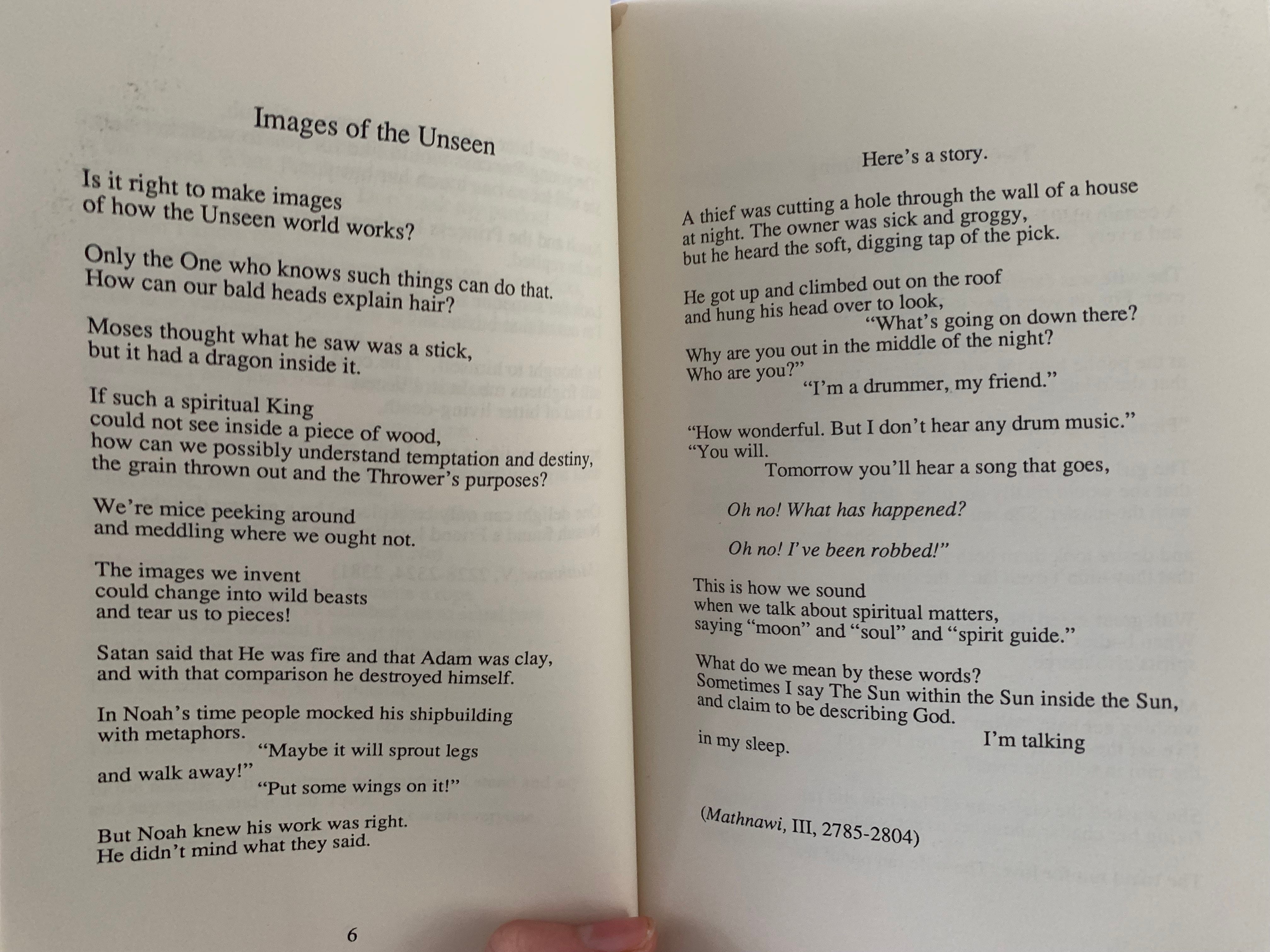
I think I have a poet’s God inside me, that’s my problem. I want a poet to transcribe God for me.
I’ve actually never heard a sermon from within a church itself that I didn’t like. Maybe because being in the same congregation as someone just makes you love them already; I don’t really care what they say too much. But finding someone on the Internet is a harder task.
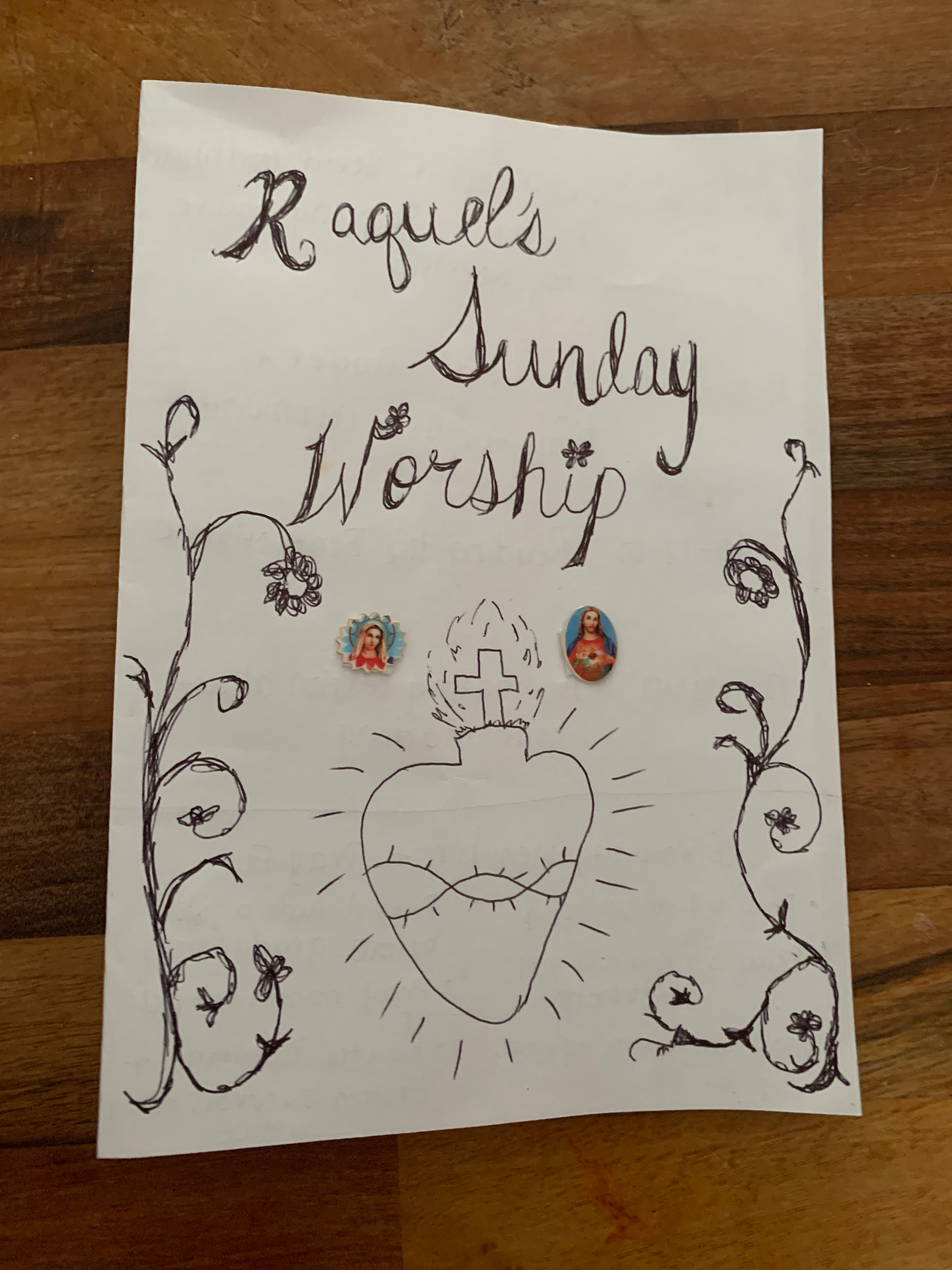
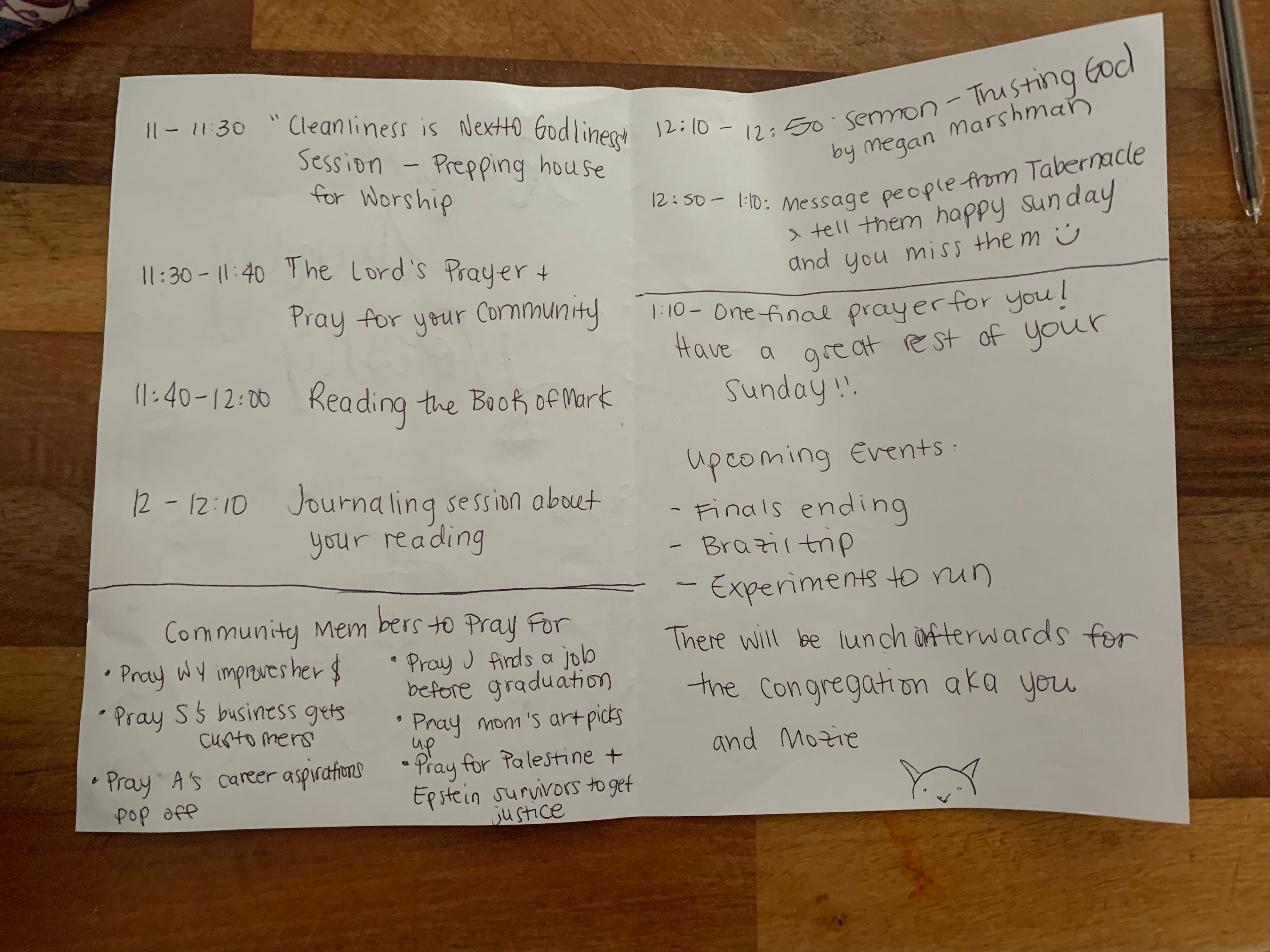
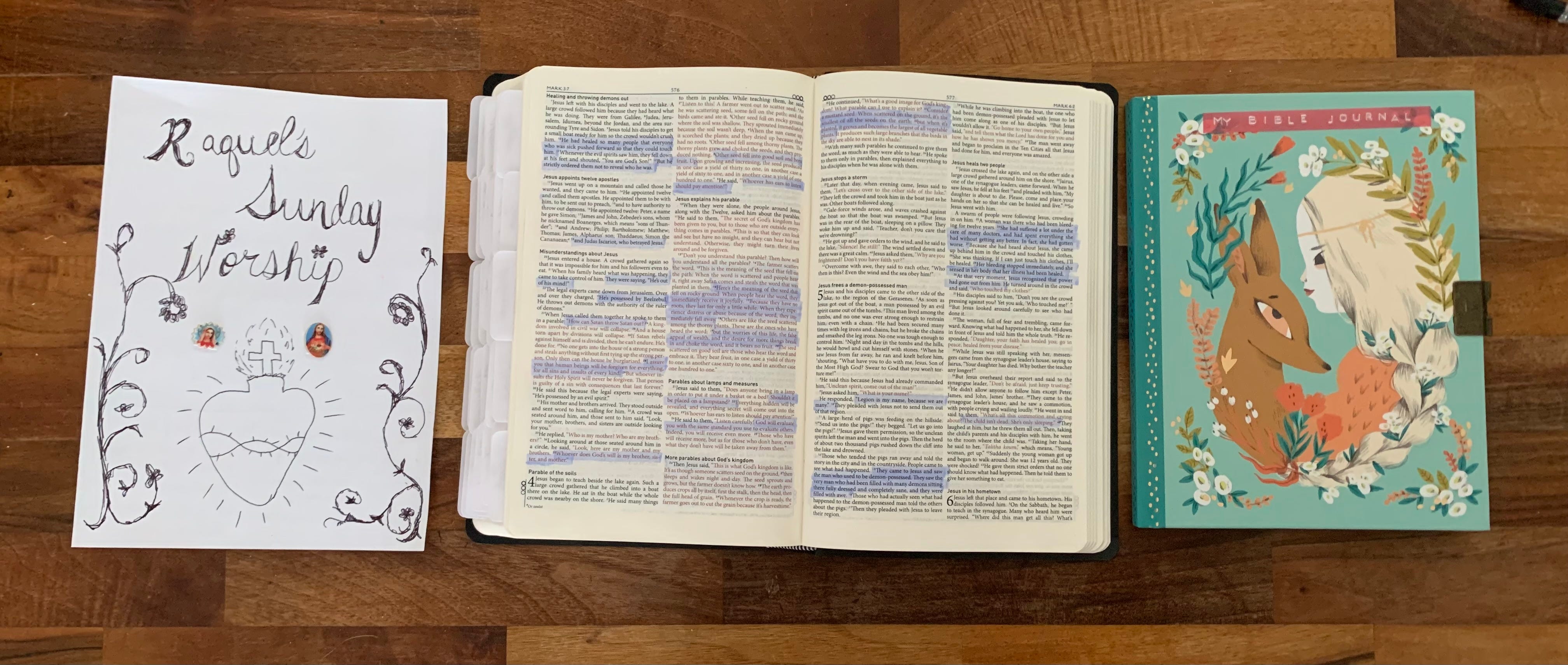
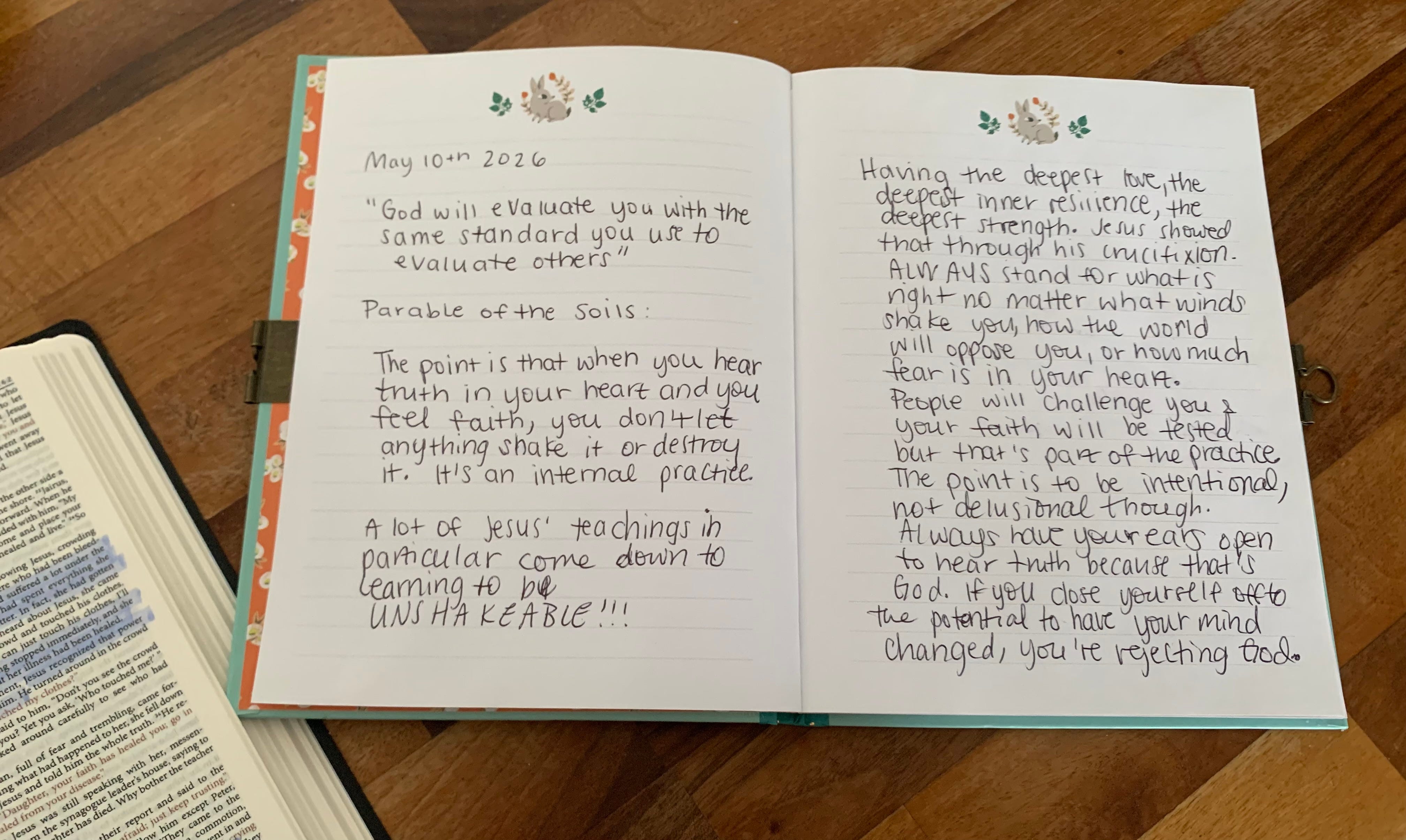
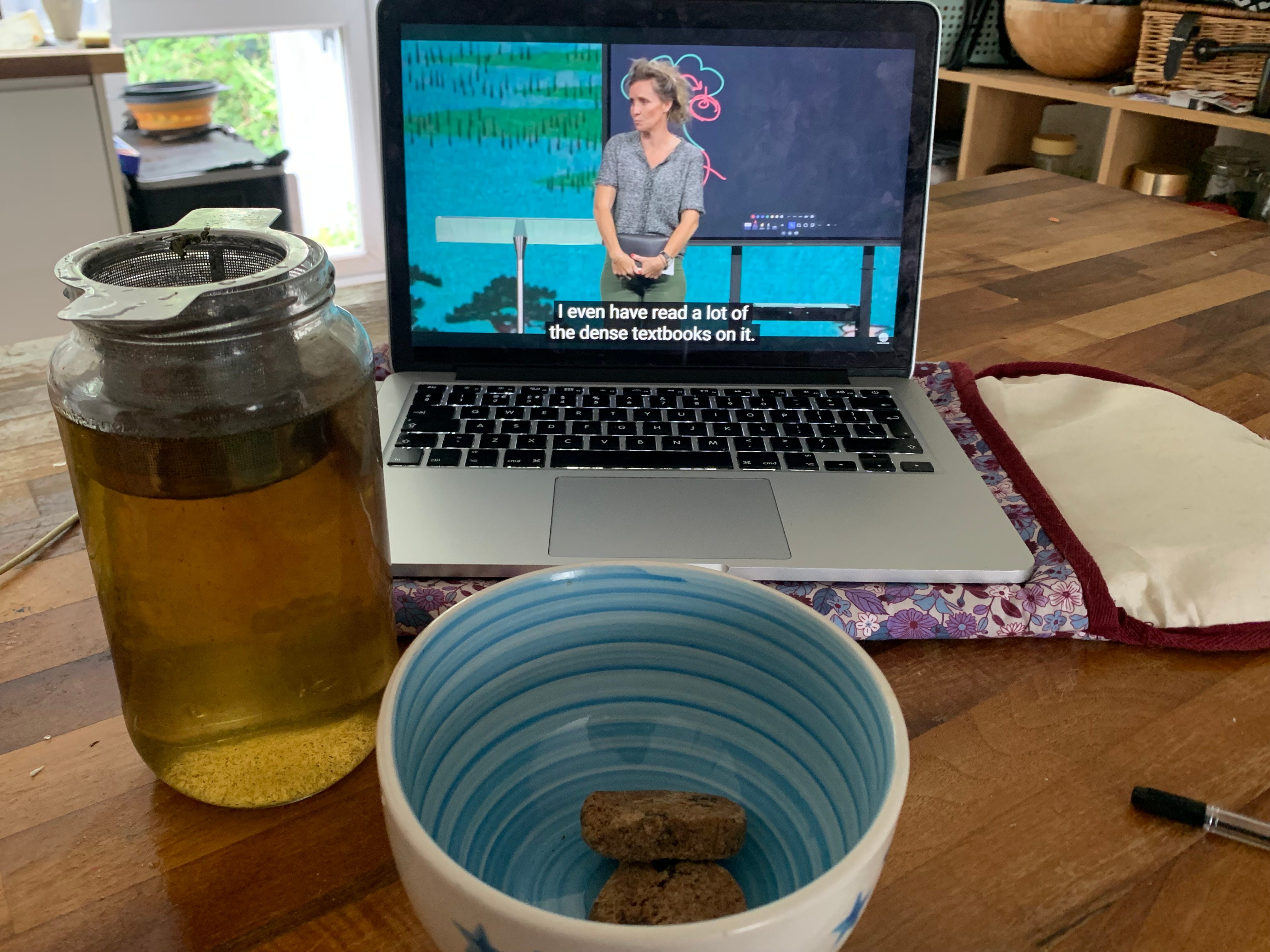
The sermon I picked actually ended up being really relevant to my life right now and even ended up coming full circle on this week’s earlier reflections. It started off by talking about how God wants you right where you are right now, even if it’s not perfect or you don’t want to be there. The pastor said that it shows more faith to tell God that you’re having doubts about if God is capable of doing what you need to do than just pretending to be faithful all the time. That meant a lot because I actually was sitting at a church and praying on Saturday and had kind of a vent session to God. I was annoyed because I just wanted my project to be done, my body was overwhelmed, and I was tired of working so much. I asked God why everything He gave me just made me more stressed. Even my healing journey was stressful. And I told him that my mind and spirit feel good but my body feels awful all the time. The sermon was reassurance that God was happy to hear my venting.
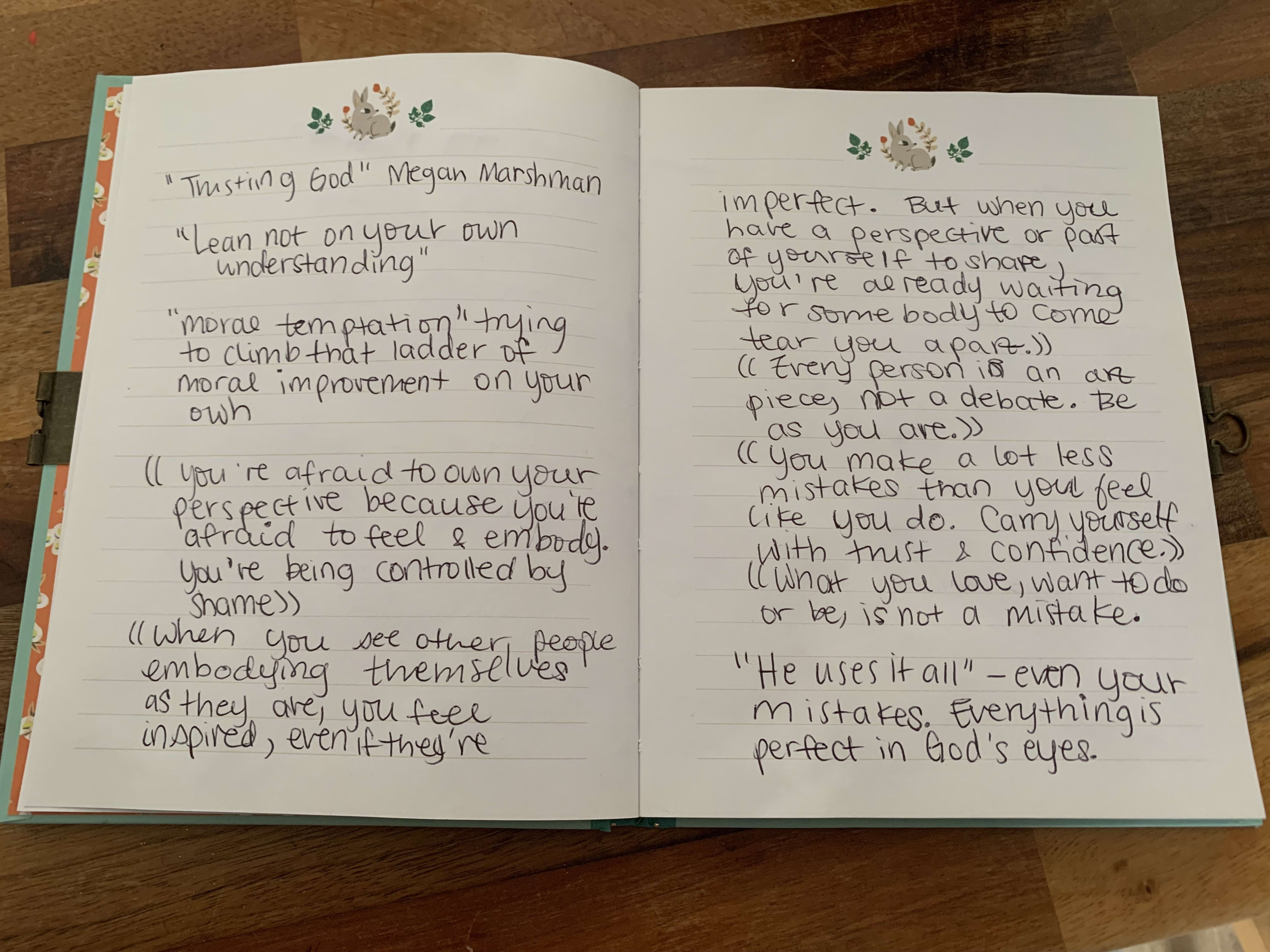
But Megan Marshman also talked about not “leaning on your own understanding”, as in how sometimes we say we have faith and we turn around and just do more work towards what we claimed to have faith about. We get hyper-independent and feel we need to do everything ourselves, ironically not displaying much faith at all. That resonated for me a lot. My mind is constantly spiralling with the next thing I need to do or how I need to “fix” my life next because I won’t just relax and see what I have around me as good.
And that, combined with many other thoughts from the week, ended up with a sort of splattering of little “downloads” from God about the way I relate to my own mistakes, which were also a theme of the sermon.
When I was a kid, I never danced even in my own room, ever, past about 6 or 7 years old. Even when literally no one was watching did I dance like no one was watching. The minute I started my spiritual journey, before I even framed it in the context of Christianity at all, the first thing I felt called to do was force myself to start dancing in my own room. This was in my sophomore year of college, when COVID was still keeping everyone inside all the time. I would stand up in my room and just stand there nervously. I just hated being in my body. Every bad thing someone could say about my dancing would circle through my head and I would feel horrible shame. The first thing I wanted to do as a spiritual person was just shake that out. It took me a while but finally I did start dancing.
Nowadays, I love to dance. But I realised back then that I never really let myself be in my own body, I never let myself be imperfect, I never let myself feel any feelings. I was just afraid of myself all the time.
Shame is one of my biggest “demons”. I let it control me a lot. There are a lot of people within sectors of Christianity that see our bodies as shameful and demonise dancing or sensuality. But the verse in Genesis the pastor was reading was actually about how God made us naked. Once we gained consciousness, shame is one of the first feelings we actually developed. We were ashamed to be naked. God did not intend to make us shameful nor ashamed. He did not make our bodies bad in essence, nor did He want us to see them like that. It wasn’t the plan at all. If anything, “the Devil” did that. We were not made to be ashamed.
Mistakes are endearing. At least, God doesn’t seem to hate them too much. We’re human. I think He knows that. That’s why we don’t drop into the fiery pits of hell after one issue. It’s kind of part of the plan and the framework.
God put the most powerful and fruitful part of my life in my body and in my feelings. I didn’t “think” this science at all. I felt it. I listened to my body. I think that was my personal spiritual plan. Sometimes I actually feel thankful for how badly I struggled with dissociation because it taught me how beautiful it feels to be immersed in your body and your feelings. Nothing seemed more desirable or rewarding after how badly I felt outside of myself. It was only after struggling with dissociation from such a body-centric trauma that I started to seek out dance, engage in my sensuality more, and honor my own inner knowing in the deepest of ways. Sexual trauma felt like something meant to ruin my life and yet it fixed some of my deepest inner wounds at the exact same time.
That’s God for you.
Ironically, I actually had a dance exercise class booked for Monday at my gym. You would have never caught me at one of these in a million years as a kid but I guess that shows my growth. My first 10 minutes or so were spent having an inner battle of telling myself to shut up and stop psychoanalyzing myself or trying to get an A+ in a Monday morning exercise class. After that, I remembered that dancing is very forgiving and most of the time, it looks better when you stop obsessing over the steps. Then I heard some Brazilian funk and I was like, “Oh wait, I’m literally Brazilian”. I forget sometimes, I think. Like what am I stressing in dance class for?
As I studied for my last in-person exam, I also reflected on my time as a graduate student. It was a bit of an awkward school year for me because I was so immersed in making sure this project could get done. Not only was the ball rolling fast by that October, I also knew by then that I seemed pretty good at neuroscience and it was really lighting me up inside, so that was the direction I would go down going forward. My program was more psychology-centric, but with many opportunities to explore neuroscience themes related to psychology. Even so, I felt a bit at odds with what I was learning because it took time away from what I was working on and I didn’t know how much would feel relevant going forward and which of the skills I was learning would be the most useful to the direction I was building. We were getting a lot of great information in our emails about psychology-based PhD and career programs. Unfortunately, I already knew by then that I was always going to be dealing with psychology in my career but I was never going to be a career psychologist.
It wasn’t until I had secured a supervisor and confirmed that I could do my project through my program that I felt very secure in the fact that I was pouring time into the project at all. I was scared that I was wasting precious (and expensive) grad school time on a delusion or a pipe dream. That made me work extra hard to make sure it would get done. I was getting really disheartened first semester because I’m used to getting high grades but with work and the project on my plate as well, my grades were truly nothing special at all. I think my first essay grade was a 54, which in the UK grading system is like a low B or a high C or something. It was a low pass.
I will say though, even though I haven’t been locked in on my program enough to make any 70s yet (like an A or an A+), I’ve felt really proud of my growth as a researcher and I’ve seen improvement in how I approach my coursework by a lot. My grades have actually been steadily climbing over the course of the year, meaning I’ve grown.
I went to a very competitive school for undergrad where I was always comparing myself to kids boasting about taking 6 classes in the semester and making higher than a 4.0. You’ve heard of competitive eating disorders; kids at my school had competitive insomnia. Getting 4 hours of sleep was a badge of pride to them. I threw my mental health off to the side a lot in undergrad to make good grades with a serious mental illness and still ended up having a huge breakdown the last day before graduation for making a 3.6 instead of a 3.8. It seems ridiculous, looking back. I was also sad because I had to turn in a very rough an unfinished graduate thesis way past the deadline, which was a little soul crushing at the time.
I think that actually changed my relationship to grades a lot. The two years I spent out of college were really focused on my own desires for my future and self-improvement in other areas of life. By the time I came back to grad school, I was significantly more immersed in my own life and story than in being a perfect student. Doing this project changed my relationship to growth, internal validation, and failure significantly. When there was no grade to receive, nothing I did was a failure. It was all about my love of the subject, learning to be a researcher, and making valuable mistakes.
This year I’ve been able to look at my 50s in a gentler way and see my grades as less important than doing something real that could be of significant benefit to people who went through what I did. I’ve also been able to applaud myself and cheer on my own improvement over time in grad school rather than cursing myself for not making the highest grade from day one. It took me a while to learn what my professors were expecting from me as a writer, the right language to use for certain subjects, and what made an essay sound professional in a research context, which is meant to be the entire point of going to grad school.
I’ll honestly probably do a second masters at some point in computational neuroscience or some adjacent theme anyways so it hopefully won’t matter too much that my grades were on the low to medium level first semester. My project is more aligned with my career aspirations in the long run and it probably looks better to have that finished than to have made perfect grades in my conversion psychology program. It’s worth a third of my final grade and I have a strong feeling it will be my highest grade of the year. So I don’t really regret how I spent my time, even though my past self was mentally screaming at me to pay more attention and make good grades once those first two 50s rolled in.
Lastly, my future vision for life in my 40s or so is to be a research lead at some university or institution and flesh out all my little theories and ideas. Doing this project was kind of like my first research lead experience. I had to manage my time and the flow of the project and keep my research assistants (me and AI) on the same page through every research phase.
One skill I think is probably going to serve me well is having strength in my inner vision and taking command over the situations in front of me. Most of the time in your early 20s, you are expected to follow other people’s directions and do what they do because you are not experienced enough to trust yourself alone. I took that as a loose suggestion this year. At the end of the day, my career is my career. It may not be how other people would tell me to do it, but I am the leader of my life and the choice is mine at the end of the day. I shouldn’t give up my perception of my future just to feel acceptable or more in line with the norm. At least, that was what I told myself as I made important, fork in the road decisions with how I spent my time this year.
I felt ashamed and awkward proposing my project while I was getting an email asking why I wasn't in class enough first semester. I felt ashamed even sending out emails to potential supervisors when I felt like I seemed like an overeager 24 year old girl with zero experience (which I sort of was). But it was between backing down because of shame and pushing through to the life I wanted. So I shut down that “demon” in my head over and over again and let my inner calling lead and I could not be more glad that I did.
There are probably going to be plenty of times in my own career where people will give me suggestions or a boatload of options and it will be my call how to move forward. It was good to learn how to follow my gut and hold my own, even when I felt pressure to choose something that didn’t feel 100% right for me or that might have been an okay choice but have slowed me down over time. That’s an important leadership skill you can only truly build through life experience.
This week resulted in an unexpectedly cohesive mini spiritual arc about my relationship to shame and mistakes. Maybe that will be somehow useful to me as I get this stupid pattern separation experiment to do what I need it to do. Fingers crossed.